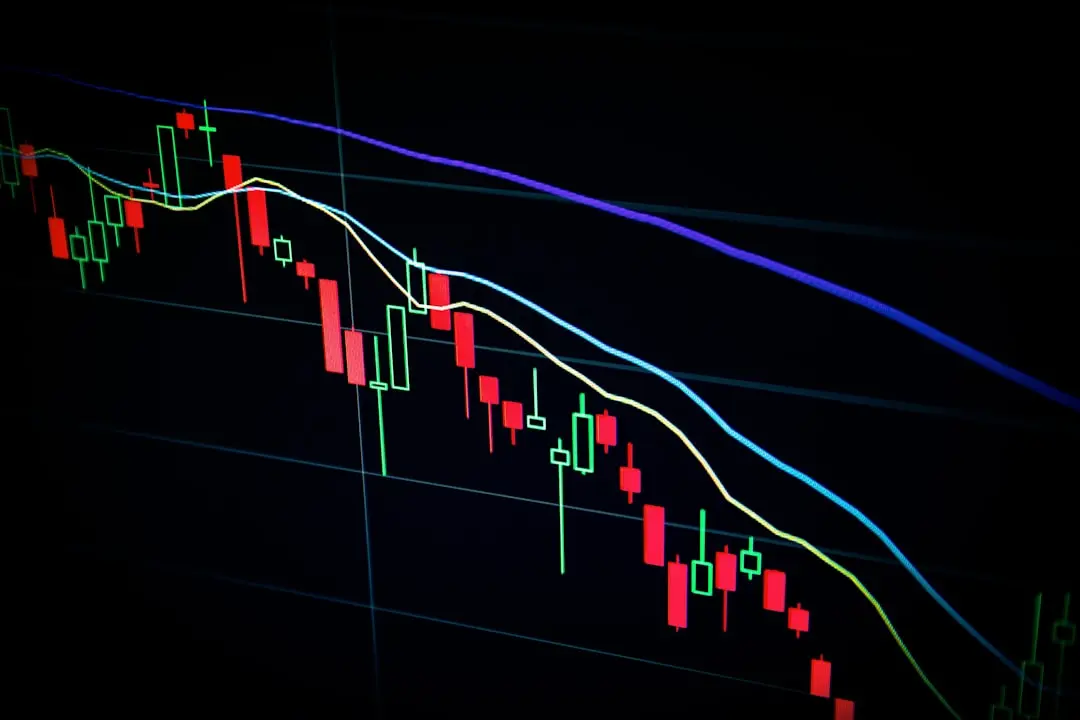
How Multi-Agent AI Improves Trading Accuracy
By September 2026, AI-driven trading platforms have become a dominant force in both cryptocurrency and traditional stock markets, reshaping how retail and institutional investors approach trading decisions. These systems leverage advanced machine learning models and autonomous agents to analyze vast datasets in real time, identifying patterns and executing trades with minimal human intervention. The shift reflects growing demand for speed, precision, and scalability in increasingly volatile financial environments.
Breaking news
 Spiral Integrates Bitcoin Payments into Mesh LLM for Machine-to-Machine AI Compute Trading
 Strike Introduces Stacks to Organize Bitcoin Savings Into Custom Buckets
 CFTC Chair Announces New Crypto Rulemaking to Prevent FTX-Style Collapse
 Binance Expands Margin Collateral Options with New Equity-Linked Tokens
The core innovation lies in multi-agent AI systems, where specialized bots collaborate to handle different aspects of trading—such as market analysis, risk assessment, and order execution—mirroring the division of labor in human trading desks. Unlike earlier rule-based bots, these systems adapt dynamically to changing market conditions, learning from historical data and live feedback loops. Proponents argue this leads to more consistent performance, especially during periods of high volatility when emotional decision-making can impair human traders.
Can AI Trading Systems Operate Without Human Oversight?
Recent deployments show that multi-agent frameworks reduce slippage and improve trade timing by up to 30% compared to single-model bots, according to internal benchmarks shared by several fintech firms. One agent might monitor social sentiment and news feeds, another tracks order book imbalances, while a third optimizes execution algorithms to minimize market impact. This specialization allows the system to respond faster to micro-trends that would be missed by broader analytical tools. Developers emphasize that these agents communicate through secure, low-latency networks, enabling coordinated actions without centralized bottlenecks.
While fully autonomous trading remains limited due to regulatory concerns, most platforms in 2026 operate under a hybrid model where AI handles routine operations but defers to human supervisors for strategic shifts or unusual market events. Regulators in major markets have introduced new guidelines requiring transparency in AI decision logs and regular audits of algorithmic behavior. Despite these safeguards, critics warn that overreliance on opaque models could create systemic risks if multiple funds deploy similar strategies, potentially amplifying market swings during stress periods.
What makes multi-agent AI trading different from traditional bots? Traditional bots typically follow fixed rules or single-model predictions, while multi-agent systems use competing or cooperating AI modules that specialize in different tasks, allowing more nuanced and adaptive responses to complex market dynamics.
Frequently Asked Questions
Are AI trading platforms accessible to individual investors? Yes, several platforms now offer AI-powered trading tools to retail users through subscription models, though access to the most advanced multi-agent systems remains largely reserved for institutional clients or high-net-worth individuals due to complexity and cost.
How do regulators view the rise of AI in trading? Regulators acknowledge the efficiency gains but are focused on ensuring accountability, preventing market manipulation, and requiring firms to demonstrate that their AI systems are fair, transparent, and subject to ongoing oversight.