
Regulatory Precedent for Crypto-Focused Trust Charters
The Office of the Comptroller of the Currency has given Bastion Platforms Trust Company conditional approval to convert its New York state trust charter into a national trust bank charter. This makes Bastion one of the few crypto-focused firms to receive such federal recognition. The decision marks a notable step in the integration of digital asset infrastructure into the traditional banking system. The approval is conditional, meaning Bastion must meet additional requirements before full conversion.
Breaking news
 Spiral Integrates Bitcoin Payments into Mesh LLM for Machine-to-Machine AI Compute Trading
 Strike Introduces Stacks to Organize Bitcoin Savings Into Custom Buckets
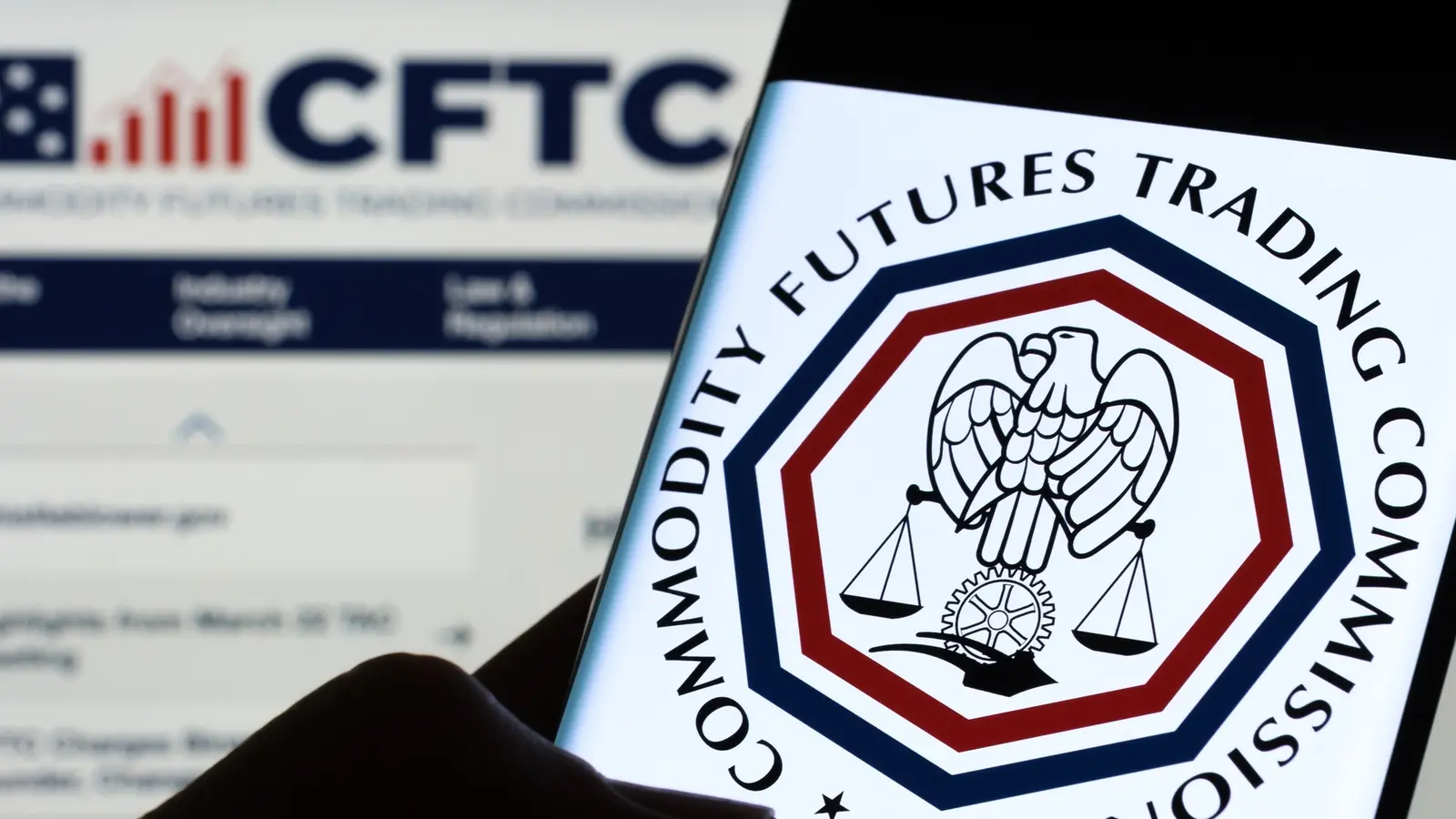 CFTC Chair Announces New Crypto Rulemaking to Prevent FTX-Style Collapse
 Binance Expands Margin Collateral Options with New Equity-Linked Tokens
This development reflects a broader regulatory shift toward clarifying how financial technology firms can operate within established banking frameworks. Bastion, which provides infrastructure for stablecoin issuance and management, sought the federal charter to streamline its operations across state lines. A national trust charter allows the company to offer certain banking services without needing separate licenses in each state. The OCC’s move signals growing willingness to accommodate crypto-related activities under federal oversight, provided firms comply with safety and soundness standards.
What Conditions Must Bastion Meet Before Final Approval?
Bastion’s approval places it among a small group of companies that have successfully navigated the OCC’s charter process for digital asset services. Prior examples include firms like Paxos and Anchorage, which also received national trust charters to support their stablecoin and custody operations. The conditional nature of Bastion’s approval indicates the OCC is applying careful scrutiny while allowing room for innovation. Regulators appear to be testing how traditional banking authorities can supervise emerging financial technologies without stifling development. This approach aims to balance innovation with consumer protection and financial stability.
While the OCC has granted conditional approval, Bastion must still satisfy specific requirements before the charter conversion is finalized. These typically include demonstrating adequate capital, robust risk management systems, and compliance with anti-money laundering regulations. The company will also need to show it can operate safely and soundly under federal supervision. Failure to meet these conditions could delay or prevent the final charter grant. The OCC has not disclosed the exact timeline for Bastion to fulfill these obligations, but such processes often take several months.
What does a national trust bank charter allow Bastion to do? It permits Bastion to conduct trust-related activities nationwide under federal regulation, eliminating the need for multiple state licenses and enabling more efficient operations across jurisdictions.
Frequently Asked Questions
Why is the OCC’s approval significant for the crypto industry? It signals that federal regulators are willing to extend traditional banking charters to qualified crypto-focused firms, potentially paving the way for broader institutional adoption of digital asset services.
Is Bastion’s approval final, or are there still steps to complete? The approval is conditional, meaning Bastion must meet additional regulatory requirements related to capital, risk management, and compliance before the charter conversion becomes final.