
Why Hong Kong’s Regulatory Approach Matters
Binance founder Changpeng „CZ” Zhao voiced strong support for Hong Kong as a premier destination for Web3 innovation during a book event in the city on August 27, 2026. Speaking to attendees, Zhao highlighted the territory’s potential to become a central hub for real-world asset tokenization and decentralized exchange development, citing recent regulatory progress as a key enabler.
Breaking news
 Strategy Buys 250 Bitcoin, Sells Shares to Fund Purchase
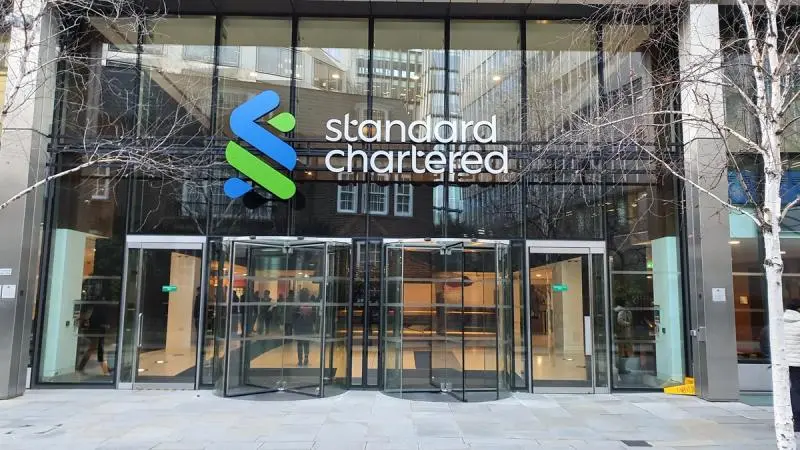 Standard Chartered Announces RLUSD Custody Services in Dubai and Explores LMAX Collateral Integration
 Hyperliquid Trader Gains $20 Million by Shorting Major Cryptos While Going Long on NEAR
 Digital Asset Oversight: EU Tightens Rules on Stablecoins and Market Conduct
Zhao emphasized that Hong Kong’s unique position as a global financial center, combined with its evolving regulatory framework for virtual assets, creates favorable conditions for growth in sectors like RWA and DEX platforms. He noted that clearer rules are encouraging institutional participation and technological experimentation, which could accelerate adoption across Asia and beyond.
The Binance founder pointed to Hong Kong’s proactive stance on virtual asset service provider licensing and its sandbox initiatives as evidence of a government committed to responsible innovation. He argued that unlike jurisdictions relying solely on enforcement, Hong Kong is building infrastructure that balances investor protection with market dynamism. This approach, Zhao said, could attract both traditional financial institutions and native crypto projects seeking legitimacy.
Can Hong Kong Outpace Singapore and Switzerland in RWA Adoption?
He also referenced growing interest from asset managers exploring tokenized bonds, funds, and commodities, suggesting that Hong Kong’s expertise in traditional finance gives it an edge over newer crypto-centric hubs. The integration of legacy financial systems with blockchain technology, he believes, will be a defining trend in the next phase of Web3 development.
When asked whether Hong Kong could surpass established competitors in the real-world asset space, Zhao acknowledged the strengths of Singapore and Switzerland but expressed confidence in the city’s advantages. He cited its deep liquidity pools, proximity to mainland China’s growing digital economy, and recent policy signals from financial regulators as differentiators.
Zhao added that success will depend on how quickly local banks and custodians adapt to tokenization workflows and whether cross-border interoperability standards are adopted. He urged collaboration between regulators, exchanges, and traditional financial players to avoid fragmentation and ensure scalable solutions.
Frequently Asked Questions
What specific Web3 sectors did CZ highlight for Hong Kong’s growth? Changpeng Zhao specifically mentioned real-world asset tokenization and decentralized exchanges as areas poised for accelerated development in Hong Kong, driven by regulatory clarity and financial infrastructure.
How does Hong Kong’s regulatory model differ from other global hubs? Unlike regions that rely heavily on punitive measures, Hong Kong is combining licensing frameworks with innovation sandboxes, aiming to create a balanced environment that supports both compliance and experimentation in the Web3 space.
What challenges must Hong Kong overcome to lead in RWA and DEX growth? Zhao noted that success hinges on institutional adoption, particularly from banks and custodians, and the establishment of interoperable systems that allow seamless interaction between traditional finance and blockchain platforms.