From Hashing to Computing
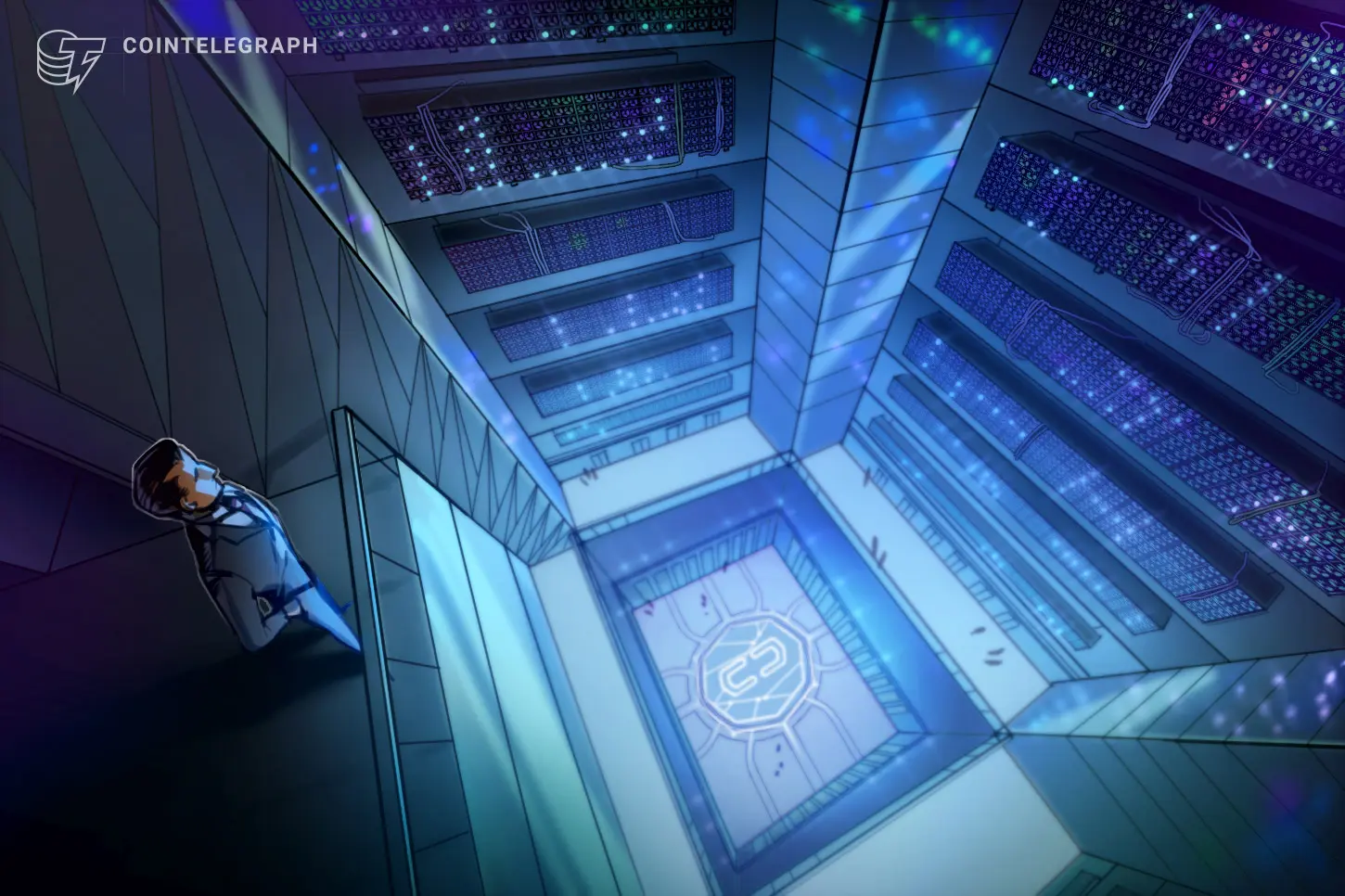
The former FTX crypto mining unit has shifted its operational focus toward supporting artificial intelligence infrastructure. This strategic pivot marks a significant transformation for the entity that once operated under the collapsed exchange’s banner. The move highlights how digital asset ventures are adapting to emerging technological demands. Investors are watching closely as this legacy asset finds new utility in the AI sector. The transition occurred after the parent company faced severe financial distress. Now, the infrastructure serves a different purpose entirely.
Breaking news
 DoubleZero Expands Edge to Include Binance Spot and Futures Data
 Ledger Scandal Spurs Surge in Multisignature Wallet Use
 DeFi Development Corp Continues Buying SOL as CHAD Preferred Stock Hits Record
 Citi and Coinbase Launch Stablecoin Checkout for Institutional Merchants
Before filing for bankruptcy in November 2022, FTX acquired a twenty percent stake in Genesis Digital Assets. This acquisition was part of a broader strategy to diversify revenue streams beyond traditional trading fees. The company aimed to leverage its capital to enter the physical layer of the blockchain economy. However, the rapid collapse of the exchange left many investments in limbo. Genesis Digital Assets continued operations despite the parent company’s demise. The surviving assets have since found a new path forward.
Genesis Digital Assets originally focused on cryptocurrency mining operations. The company utilized specialized hardware to secure blockchain networks and generate rewards. As the market evolved, the demand for raw computing power expanded beyond simple proof-of-work tasks. Artificial intelligence models require massive amounts of processing capability for training and inference. The existing data centers and hardware became ideal for these new workloads. This shift allows the company to monetize its assets more efficiently. It also aligns with the broader trend of repurposing energy-intensive facilities.
Can Legacy Crypto Survive the AI Boom?
The transition reflects a wider industry movement. Many crypto-mining firms are now rebranding as AI infrastructure providers. This change is driven by the high cost of electricity and cooling systems. These resources are essential for both mining and running large language models. By pivoting, Genesis avoids the volatility associated with cryptocurrency prices. Instead, it taps into the steady growth of enterprise AI adoption. The company can now sell compute time to tech giants and startups alike. This provides a more predictable revenue stream than mining volatile assets.
The success of this pivot depends on several factors. First, the hardware must be compatible with modern AI requirements. Older mining rigs may not support the specific GPU architectures needed for deep learning. However, data center locations with ample power capacity remain valuable. The company must prove it can deliver consistent performance to clients. Market competition is fierce, with dedicated AI cloud providers already established. Genesis needs to differentiate itself through cost or speed. Stakeholders are curious if this legacy asset can compete with newer entrants. The outcome will determine the value of the original FTX stake.
The implications extend beyond a single company. This case study illustrates the fluidity of the crypto ecosystem. Assets created for one purpose can serve another entirely. As AI continues to dominate technology spending, such transitions may become common. Investors should monitor how well these legacy firms adapt. The ability to pivot quickly could define their long-term survival. For now, the mining arm of FTX stands as a prime example of adaptation. It shows that even post-bankruptcy entities can find new relevance. The future of crypto infrastructure is increasingly tied to the rise of machine learning.
Frequently Asked Questions
What did FTX acquire before its bankruptcy? FTX purchased a twenty percent stake in Genesis Digital Assets prior to its November 2022 bankruptcy filing. This investment was intended to expand the company’s presence in physical crypto infrastructure.
Why is the mining unit switching to AI? The shift occurs because AI models require significant computational power similar to cryptocurrency mining. Repurposing existing data centers allows the company to tap into the growing demand for AI services.
Does this guarantee the company’s success? While the pivot offers a promising avenue, it does not guarantee immediate profitability. The company must compete with established AI infrastructure providers and ensure hardware compatibility.