
Solana's Strategic Move Against Centralization
The Solana Foundation is backing projects focused on creating fully onchain perpetual futures. This move aims to challenge the dominance of platforms like Hyperliquid, which have rapidly gained traction in the crypto trading space. The initiative seeks to reshape how perpetual futures are traded, particularly in a market where centralized exchanges still hold significant volume.
Breaking news
 ASIC consults on updated CFD safeguards for digital assets, deadline November 9, 2026
 Papertrade Trader Losses Hit $32.4 Million Just Two Days After Launch
 Strategy Buys 250 Bitcoin, Sells Shares to Fund Purchase
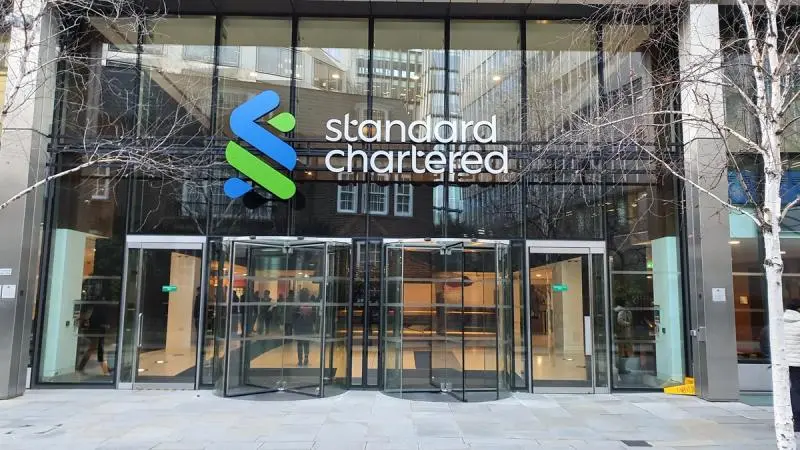 Standard Chartered Announces RLUSD Custody Services in Dubai and Explores LMAX Collateral Integration
Perpetual futures, or perps, are a popular trading instrument in cryptocurrency. They allow traders to speculate on price movements without owning the underlying asset. Currently, most trading activity occurs on centralized exchanges or hybrid platforms, which raises concerns about security and transparency. By supporting onchain solutions, Solana aims to offer a more decentralized and secure trading environment.
The Solana Foundation's initiative is a strategic response to the existing market structure. Hyperliquid has capitalized on the growing demand for perpetual futures, but its centralized nature may deter some traders. Solana’s backing of onchain projects could attract users seeking more control over their trades and assets. This shift aligns with the broader trend in the crypto industry towards decentralization.
Can Solana Compete with Established Platforms?
The foundation is providing resources and support to teams developing these onchain futures. This includes funding, technical assistance, and access to Solana's robust blockchain infrastructure. With its high throughput and low transaction costs, Solana is well-positioned to host these new trading platforms.
As Solana ventures into the perpetual futures market, questions arise about its ability to compete with established players like Hyperliquid. The success of this initiative will depend on several factors, including user adoption, liquidity, and the ability to attract developers to build on Solana's platform.
Moreover, the Solana Foundation emphasizes the importance of community engagement in this process. By fostering a collaborative environment, they hope to encourage innovation and attract traders who value decentralization. The outcome of this initiative could significantly impact the trading landscape in the crypto market.
Frequently Asked Questions
In conclusion, Solana's push for fully onchain perpetual futures could reshape the trading environment. If successful, it may lead to increased decentralization in crypto trading, challenging the status quo dominated by centralized exchanges. As the initiative unfolds, the industry will be watching closely to see how it influences trading practices and user preferences.
What are perpetual futures? Perpetual futures are financial contracts that allow traders to speculate on the price of an asset without owning it. They have no expiration date, enabling continuous trading.
Why is Solana focusing on onchain solutions? Solana aims to provide a more secure and decentralized trading environment. By supporting onchain projects, the foundation seeks to challenge the dominance of centralized exchanges and attract users looking for greater control.