
Why the Sudden Activation Matters to the Market
A Bitcoin address first spotted in 2011 transferred funds on July 5, 2026, marking its first activity in fourteen years. The move was identified by blockchain analysts and reported by crypto news outlets. No one has claimed ownership of the address publicly.
Breaking news
 ASIC consults on updated CFD safeguards for digital assets, deadline November 9, 2026
 Papertrade Trader Losses Hit $32.4 Million Just Two Days After Launch
 Strategy Buys 250 Bitcoin, Sells Shares to Fund Purchase
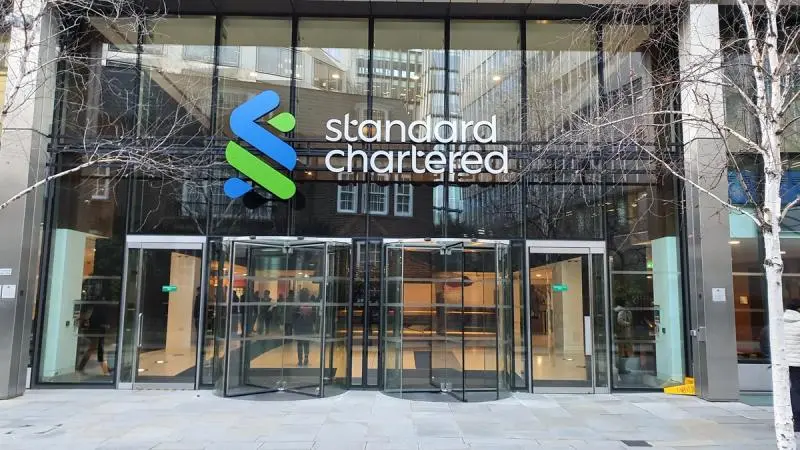 Standard Chartered Announces RLUSD Custody Services in Dubai and Explores LMAX Collateral Integration
The wallet sat idle while Bitcoin prices hovered around a few dollars in 2011. Today its balance is worth millions, reflecting a gain of more than 700,000 percent. The transaction was a single outbound transfer to another address, and the private key holder has not disclosed motives. Experts suggest the owner may have recovered a lost key, decided to liquidate, or simply shifted the coins to a more secure storage solution.
The reawakening of an early‑era wallet draws attention because large dormant holdings can sway market sentiment. When a long‑inactive address moves, traders often wonder whether the owner will sell a substantial amount of Bitcoin, potentially pressuring prices downward. In this case, the transferred amount represents only a fraction of the total supply, but its historical significance amplifies media coverage. „Seeing a wallet from Bitcoin’s infancy become active again reminds us how much the ecosystem has grown,” said a blockchain analyst who monitors high‑value addresses. The move also highlights the durability of cryptographic keys; even after a decade of neglect, a key can still unlock funds.
Could This Signal a New Wave of Early‑Era Bitcoin Activity?
The event may encourage other early adopters to dust off forgotten keys. Researchers estimate that dozens of wallets created before 2012 remain dormant, each potentially holding sizable sums. If more of these addresses surface, the market could experience periodic spikes in transaction volume. Some investors view such activity as a sign of confidence, believing that early holders are finally ready to engage with the mainstream. Others warn that sudden sales from hidden caches could introduce volatility, especially if multiple large wallets move simultaneously.
The reactivation underscores Bitcoin’s long‑term resilience and the enduring value of its earliest coins. While the immediate price impact appears modest, the episode serves as a reminder that hidden supply can emerge at any time, influencing both sentiment and regulatory focus. Market watchers will keep an eye on blockchain data for further clues about dormant wealth resurfacing.
Frequently Asked Questions
What defines a dormant Bitcoin wallet? A dormant wallet is an address that has not recorded any transaction on the blockchain for an extended period, often years, indicating that its private key has not been used.
How is the 700,000 percent increase calculated? The percentage compares the wallet’s current value in dollars to its approximate worth when the coins were first acquired in 2011, when Bitcoin traded at a few dollars per coin.
Does the movement of this old wallet affect Bitcoin’s price? The single transfer is unlikely to move the market alone, but the publicity around large, previously unseen holdings can shape trader expectations and contribute to short‑term price fluctuations.