
Market Sentiment: A Shift in Investor Confidence
The cryptocurrency market has been in turmoil since the significant crash of Bitcoin and altcoins in October 2025. This downturn has raised questions about the current state of the market and whether bearish trends still dominate. Investors and analysts are closely monitoring developments in the wake of this collapse, which has had a lasting impact on market sentiment.
Breaking news
 Bitcoin Security Could Be Threatened by 2046, AI Model Indicates
 XRP Ledger Patches Critical Bug That Could Have Minted 18 Trillion Tokens
 Aptos Launches AI Tools to Simplify Move Programming
 Regulatory Reach: CFTC Says It Can Oversight Nearly All Commodities
The crash was triggered by a combination of factors, including regulatory changes and macroeconomic pressures that affected investor confidence. Many cryptocurrencies saw their values plummet, leading to widespread panic among traders. As a result, the once-thriving bull market came to an abrupt halt, leaving many to wonder if recovery is possible or if the market remains under bearish influence.
Since the crash, market sentiment has shown signs of volatility. Some analysts argue that the worst may be over, as certain cryptocurrencies have begun to stabilize. However, many investors remain cautious, fearing that any signs of recovery could be short-lived. The uncertainty has led to a mixed outlook among traders, with some opting to hold onto their assets while others are looking to exit positions.
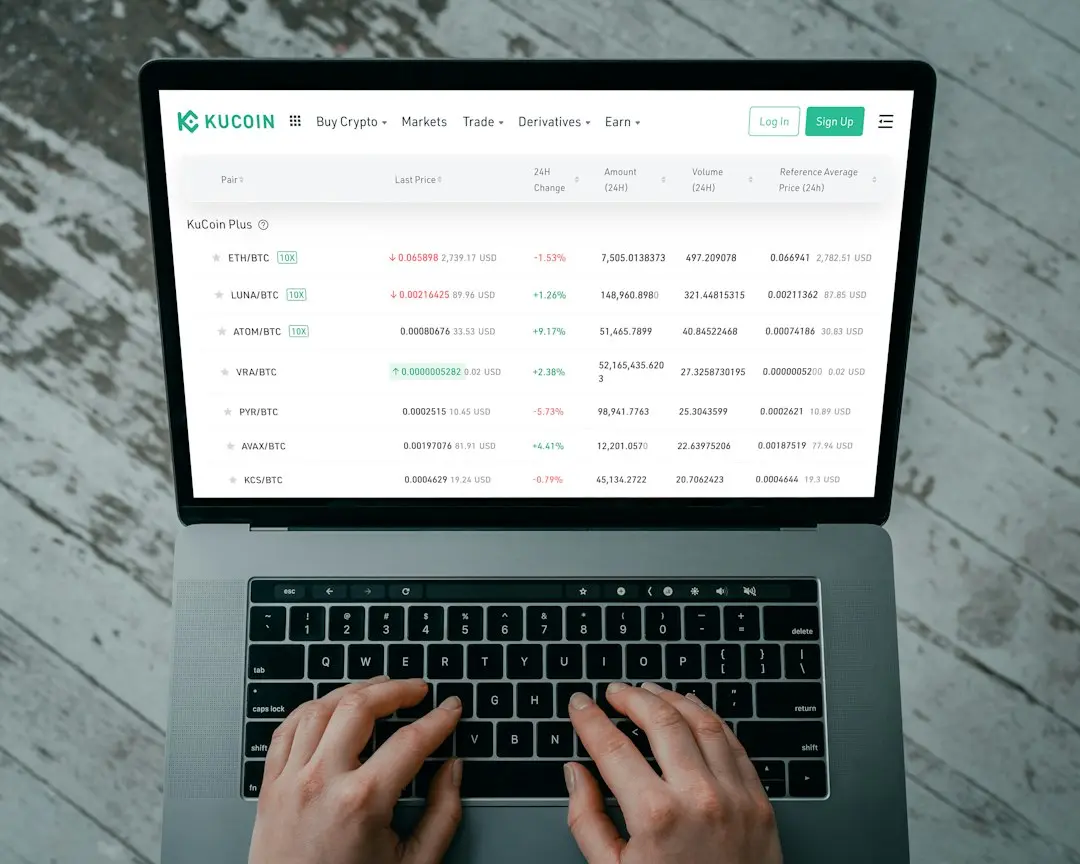
Data from various exchanges indicates that trading volumes have fluctuated significantly since the crash. While some days see increased activity, others reflect a hesitance to engage in the market. This inconsistency suggests that investor confidence is still fragile. Many are waiting for clearer indicators of a sustained recovery before committing further capital.
Regulatory Landscape: The Ongoing Challenge
The regulatory environment continues to play a crucial role in shaping the cryptocurrency market. Governments worldwide are grappling with how to approach digital currencies, and their decisions can have immediate effects on market dynamics. Recent announcements regarding stricter regulations have contributed to the prevailing sense of uncertainty, making it difficult for investors to navigate the landscape.
As authorities implement new policies, the market may experience further fluctuations. Investors are keenly aware of how regulations can impact the viability of certain cryptocurrencies, leading to a cautious approach in their trading strategies. This ongoing challenge underscores the need for clarity in the regulatory framework surrounding digital assets.
Looking ahead, the cryptocurrency market faces a critical juncture. While some signs of stabilization are emerging, the overarching sentiment remains cautious. Investors are weighing the potential for recovery against the backdrop of regulatory uncertainties and market volatility. As the situation evolves, all eyes will be on how both market participants and regulators respond to the changing landscape.