A Quantum Threat Looms
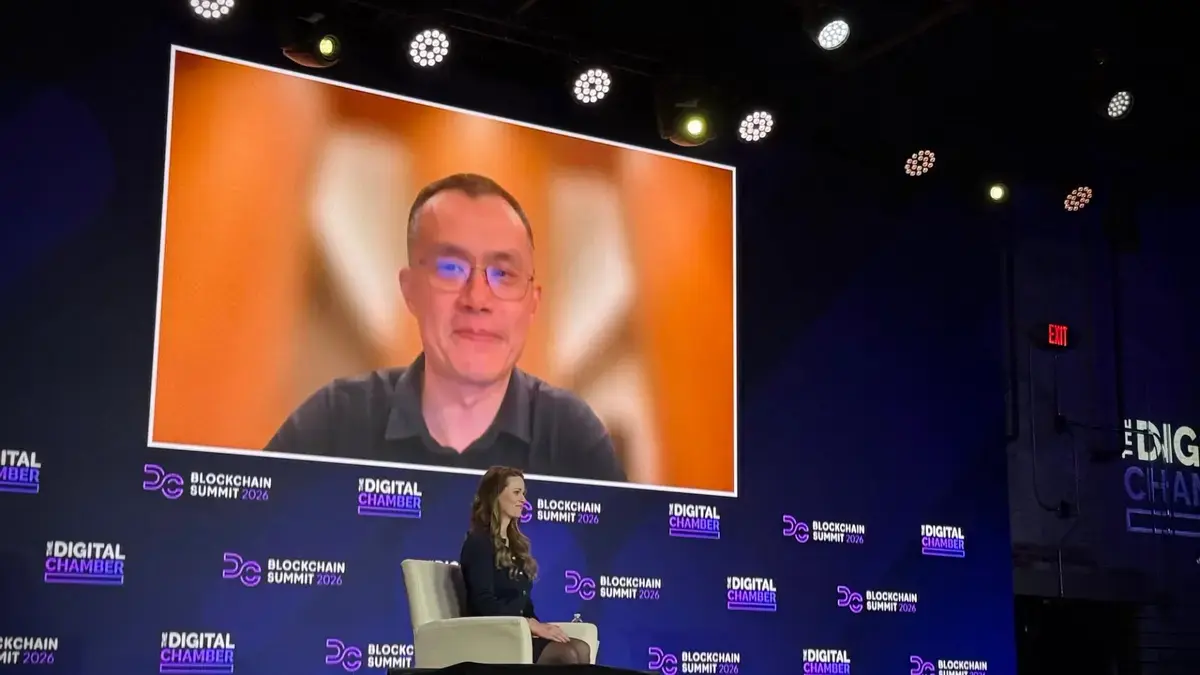
The cryptocurrency community is debating whether to freeze Satoshi Nakamoto's vast bitcoin holdings amid growing concerns over quantum computers. Binance founder Changpeng Zhao sparked the discussion, suggesting that the 1.1 million bitcoin should be frozen to prevent potential theft. The proposal has received mixed reactions from bitcoin experts.
Breaking news
 ESMA Gives Crypto Firms Three Months to Drop Non-Compliant Stablecoins
 Ethereum Developers Test Massive Gas Limit Expansion on Sepolia Testnet
 Bitcoin Plunges Below $83,000, Triggering a $110 B Market Sell‑Off
 Bitcoin’s failed breakout reveals a dangerous mix of thin volume and easy profits
Satoshi Nakamoto, bitcoin's pseudonymous creator, has not moved their 1.1 million bitcoin since 2010. Experts warn that a sufficiently powerful quantum computer could potentially access these funds by breaking the cryptographic algorithms that secure them. Changpeng Zhao argued that freezing the funds would prevent this from happening.
Should Satoshi's Bitcoin Be Frozen?
Not everyone agrees with Zhao's proposal. Some argue that freezing Satoshi's bitcoin would set a bad precedent and undermine the decentralized nature of the cryptocurrency. Others point out that the private keys associated with Satoshi's bitcoin are not necessarily vulnerable to quantum computers.
The debate highlights the challenges facing the bitcoin community as it navigates the emerging threat of quantum computing. As quantum technology advances, the security of bitcoin and other cryptocurrencies will be put to the test.
What is the quantum threat to bitcoin? The threat refers to the potential for quantum computers to break the cryptographic algorithms that secure bitcoin. This could allow hackers to access and steal bitcoin.
Frequently Asked Questions
Why is Satoshi's bitcoin significant? Satoshi's 1.1 million bitcoin is a significant portion of the total bitcoin supply, and its movement could impact the cryptocurrency's price.
Can quantum computers already break bitcoin's cryptography? Not yet, but experts warn that it is only a matter of time before a sufficiently powerful quantum computer is developed.