Warsh’s Influence vs. Market Mechanics
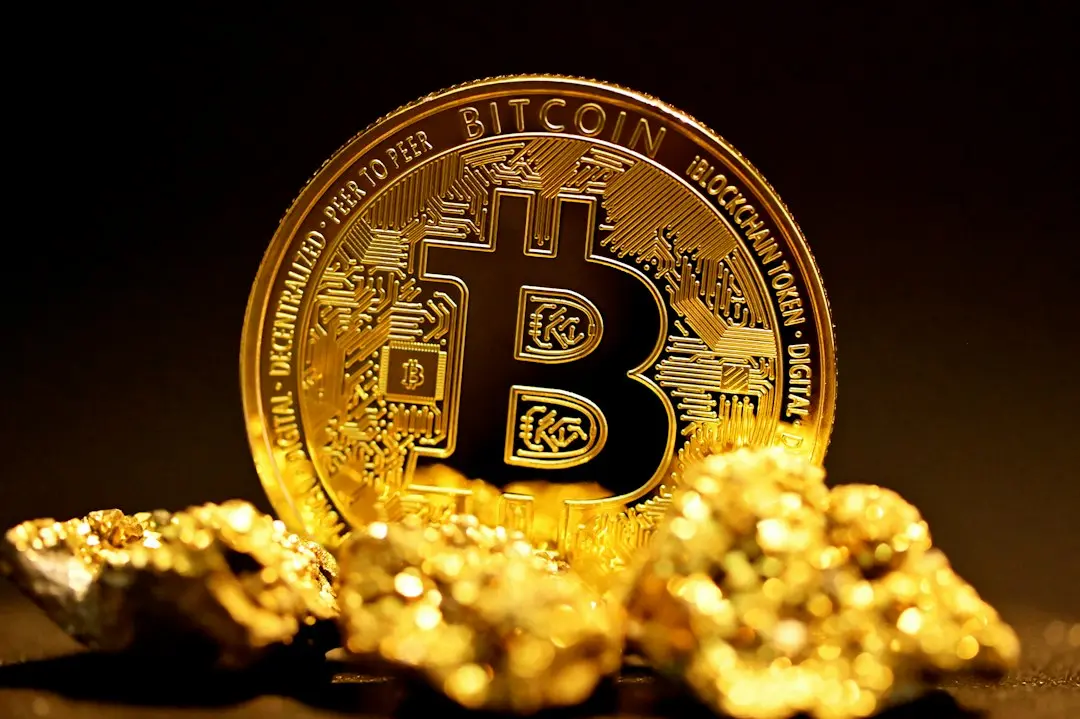
Artificial intelligence platform ChatGPT weighed in on whether former Federal Reserve official Kevin Warsh could trigger a Bitcoin rally. Its verdict: unlikely. The assessment comes as global financial markets digest changing monetary policies, with investors seeking clarity on crypto’s near-term trajectory.
Breaking news
 Bitcoin Security Could Be Threatened by 2046, AI Model Indicates
 XRP Ledger Patches Critical Bug That Could Have Minted 18 Trillion Tokens
 Aptos Launches AI Tools to Simplify Move Programming
 Regulatory Reach: CFTC Says It Can Oversight Nearly All Commodities
ChatGPT highlighted that while Warsh, a well-known hawkish voice in U. S. monetary policy, carries influence, his views alone won’t move Bitcoin. The AI emphasized that macroeconomic forces—like interest rate trends, inflation data, and central bank balance sheets—are now dominant drivers. Bitcoin, once seen as a speculative hedge, is increasingly subject to the same pressures as traditional risk assets.
Kevin Warsh, who served on the Fed’s Board of Governors from 2006 to 2011, has recently re-entered public debate with warnings about inflation and long-term rate hikes. Some investors hoped his resurgence could shift policy sentiment and ignite risk appetite, including in crypto. But ChatGPT dismissed the idea that any single figure, regardless of stature, could spark a rally.
„Market dynamics today are too complex for one voice to redirect,” the AI stated. „Bitcoin now trades more like tech stocks than digital gold.” Recent correlations show Bitcoin’s price movements aligning closely with Nasdaq fluctuations and Treasury yields—signs it’s being priced as a growth asset.
Can Policy Fears Actually Help Bitcoin?
In 2024, Bitcoin surged nearly 40% in the first half, fueled by spot ETF approvals and speculative momentum. But since June, it has traded in a tight range, failing to突破 $72,000 despite positive regulatory news. Volume and on-chain activity have also softened, suggesting waning retail enthusiasm.
Bitcoin was born in the aftermath of the 2008 financial crisis, designed as a decentralized alternative to central banking. So why isn’t renewed fear of tight monetary policy boosting it now?
According to ChatGPT, the answer lies in investor behavior. „In 2010, Bitcoin responded to monetary expansion. Today, it’s priced in anticipation of liquidity shifts, not reaction to them.” With the Fed holding rates at 5.25%-5.5% since mid-2023 and quantitative tightening ongoing, markets are starved for fresh stimulus.
Historical data supports this. During the 2020-2021 cycle, Bitcoin rose over 300% as the Fed injected trillions. Now, without new money flowing into markets, even dovish hints haven’t reignited momentum. Warsh’s warnings of prolonged high rates only reinforce this stagnation.
Frequently Asked Questions
Looking ahead, analysts say Bitcoin needs either a clear pivot toward rate cuts or a surge in institutional adoption to break its current range. Without one, the asset may remain trapped between macro skepticism and fading hype.
Could Kevin Warsh becoming Fed Chair change Bitcoin’s outlook? Only if accompanied by broader policy shifts. Even then, market expectations would matter more than his personal stance. His appointment alone wouldn’t guarantee a rally.
Is Bitcoin still a hedge against inflation? Not consistently. Over the past two years, its correlation with CPI data has weakened. It now reacts more to interest rate expectations than inflation prints.
What would actually trigger a new Bitcoin rally? A confirmed Fed rate cut, major regulatory approval (like a Bitcoin ETF in Europe), or sustained inflows into crypto funds. Until then, sideways movement is likely.