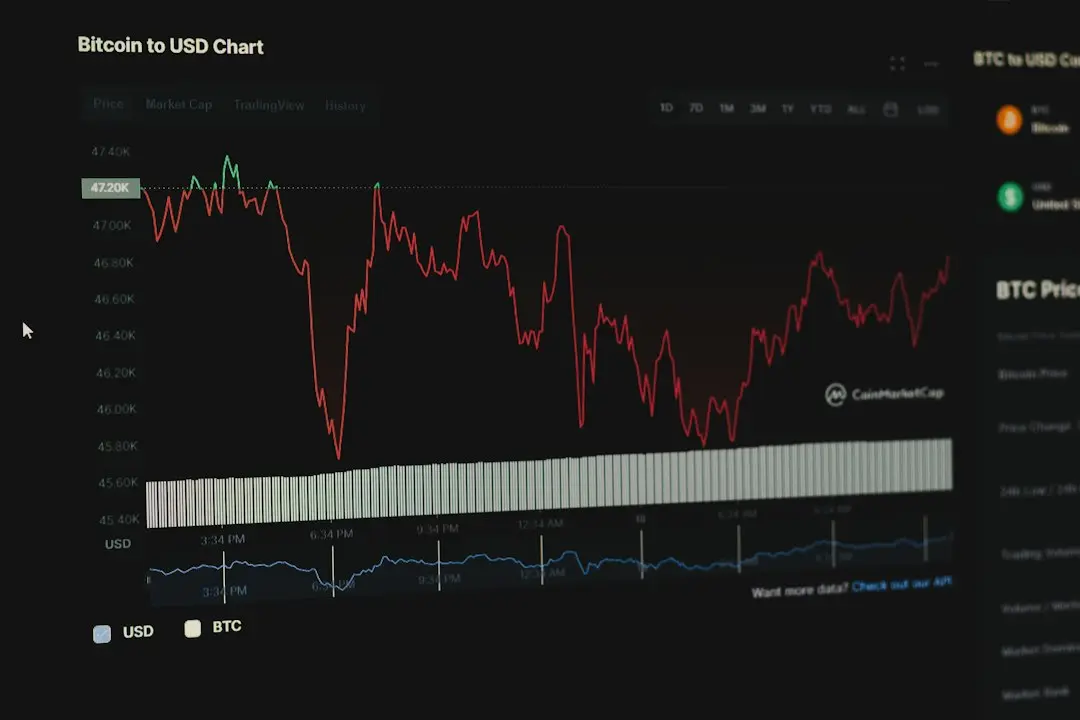
ETF Exodus Sparks Market Sell-Off
Bitcoin dropped below $76,800 on Monday, marking its fourth straight day of losses after a nearly 6% decline last week. The drop comes as U. S. spot Bitcoin ETFs saw heavy outflows and inflation concerns weighed on investor sentiment.
Breaking news
 Solana Sandwich Bots Extract $29.7 Million, Mostly Targeting Pump.fun
 South Korean Bank Launches Bitcoin-Backed Corporate Lending Program
 Standard Chartered Expands Crypto Custody Services to Singapore
 Hardware Implant Discovered in Crypto Wallet Security Investigation
Persistent selling pressure from U. S.-listed Bitcoin spot ETFs fueled the decline. These funds recorded $1 billion in net outflows over the past week—the largest weekly withdrawal in three months. Investors pulled money amid rising uncertainty about interest rates and economic growth. The outflows suggest weakening short-term confidence in Bitcoin despite its strong performance earlier in the year.
The wave of ETF withdrawals has become a key driver of recent price action. Major issuers like Grayscale, Fidelity, and BlackRock all reported net outflows, reversing a trend of steady inflows seen in early 2024. Analysts say the shift reflects growing caution as U. S. inflation data remains sticky, reducing appetite for risk assets.
„Investors are reassessing their exposure to crypto as rate cut expectations fade,” said market strategist Lena Torres. „The ETF outflows aren’t panic selling, but they signal a pause in the bullish momentum we saw before.”
Is Bitcoin Losing Its Hedge Status?
Bitcoin’s price has now retreated from its early March peak near $74,000, struggling to regain upward traction. Trading volume remained elevated, indicating active rebalancing by institutional and retail investors alike.
With inflation still above Federal Reserve targets, some investors had hoped Bitcoin would act as a hedge against rising prices. But recent price moves suggest the asset is increasingly tied to broader market sentiment, especially around monetary policy.
„Bitcoin is no longer trading like digital gold,” noted crypto analyst Marcus Reed. „It’s reacting more like a tech stock—sensitive to rate changes and liquidity flows.”
Frequently Asked Questions
U. S. bond yields rose last week after stronger-than-expected economic data, making non-yielding assets like Bitcoin less attractive. At the same time, futures markets now price in fewer rate cuts this year than just a month ago.
Why are ETF outflows affecting Bitcoin’s price? ETFs directly link investor demand to Bitcoin purchases. When investors redeem shares, issuers sell Bitcoin to cover redemptions, increasing market supply and downward pressure.
Could Bitcoin recover soon? A rebound depends on renewed ETF inflows and clearer signals of future rate cuts. Until then, traders expect range-bound trading between $70,000 and $78,000.
Is inflation still a concern for crypto markets? Yes. Persistent inflation delays interest rate cuts, keeping borrowing costs high and reducing risk appetite. This environment typically pressures speculative assets like Bitcoin.