
How Geopolitical Tensions Are Reshaping Asset Correlations
Bitcoin held steady around $79,000 on September 9, 2026, as rising tensions between the United States and Iran triggered sharp movements in global oil markets. Brent crude climbed above $100 per barrel for the first time since July, while West Texas Intermediate surpassed $95. The military escalation in the Middle East prompted investors to reassess risk assets, with cryptocurrencies showing limited reaction despite the volatility in energy prices.
Breaking news
 Crypto News Site Faces Sale After Google Penalty
 Justin Drake urges crypto ‘bunker mode,’ as AI could break wallet security within months
 XRP Whale Withdrawals from Binance Hit Seven-Month Peak
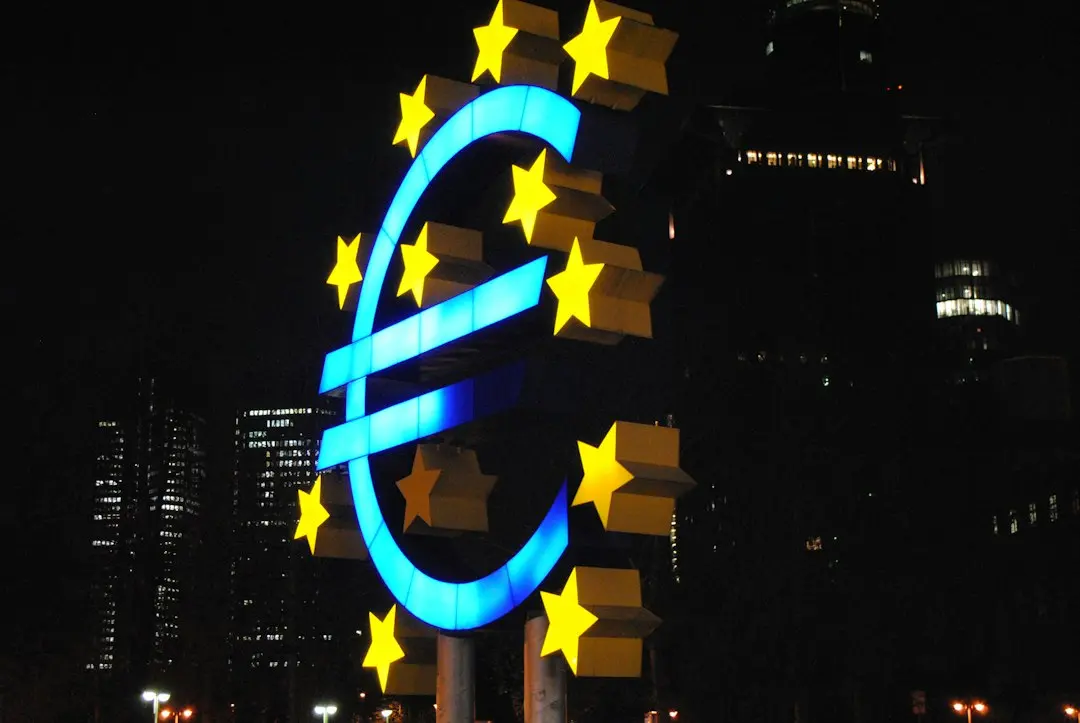 What is a euro-pegged stablecoin?
Market analysts noted that the lack of significant movement in Bitcoin contrasted with the heightened activity in commodities, suggesting a decoupling from traditional safe-haven flows during geopolitical shocks. While oil prices reacted swiftly to supply concerns stemming from potential disruptions in the Persian Gulf, Bitcoin traders appeared to be waiting for clearer directional cues before making large bets. Trading volume in BTC remained moderate, indicating cautious sentiment among crypto investors.
What Does This Mean for Crypto Investors Going Forward?
The recent strike exchanges between US and Iranian forces have revived fears of a broader regional conflict, directly impacting energy infrastructure and shipping routes. This has led to a spike in oil premiums, particularly for Brent, which serves as a global benchmark. Historically, such events have driven investors toward assets like gold or the US dollar, but Bitcoin’s response has been inconsistent in recent crises. Some experts argue that the cryptocurrency’s behavior reflects its evolving role as a risk-on asset rather than a reliable hedge against inflation or instability.
Short-term traders may continue to watch oil prices as a leading indicator of market sentiment, especially if further escalation threatens global supply chains. However, long-term holders of Bitcoin are likely to focus more on macroeconomic trends such as interest rate policy and institutional adoption rather than episodic geopolitical events. Analysts suggest that unless the conflict disrupts major financial systems or triggers a flight to digital assets en masse, Bitcoin’s price action may remain range-bound in the near term.
Why didn’t Bitcoin rise with oil prices during the US-Iran tensions? Bitcoin did not correlate with the oil surge because investors treated it as a risk asset during the episode, seeking liquidity or traditional havens instead of crypto amid uncertainty.
Frequently Asked Questions
Is there a historical link between Middle East conflicts and Bitcoin performance? Past conflicts have shown mixed results, with Bitcoin sometimes rising due to fear of currency devaluation, but often stagnating as traders prioritize immediate liquidity over speculative assets.
Could further escalation push Bitcoin higher? Only if the conflict leads to widespread currency instability or banking disruptions that increase demand for decentralized alternatives; otherwise, its movement may remain tied to broader risk appetite.