How Did Inflation Data Influence Bitcoin's Price?
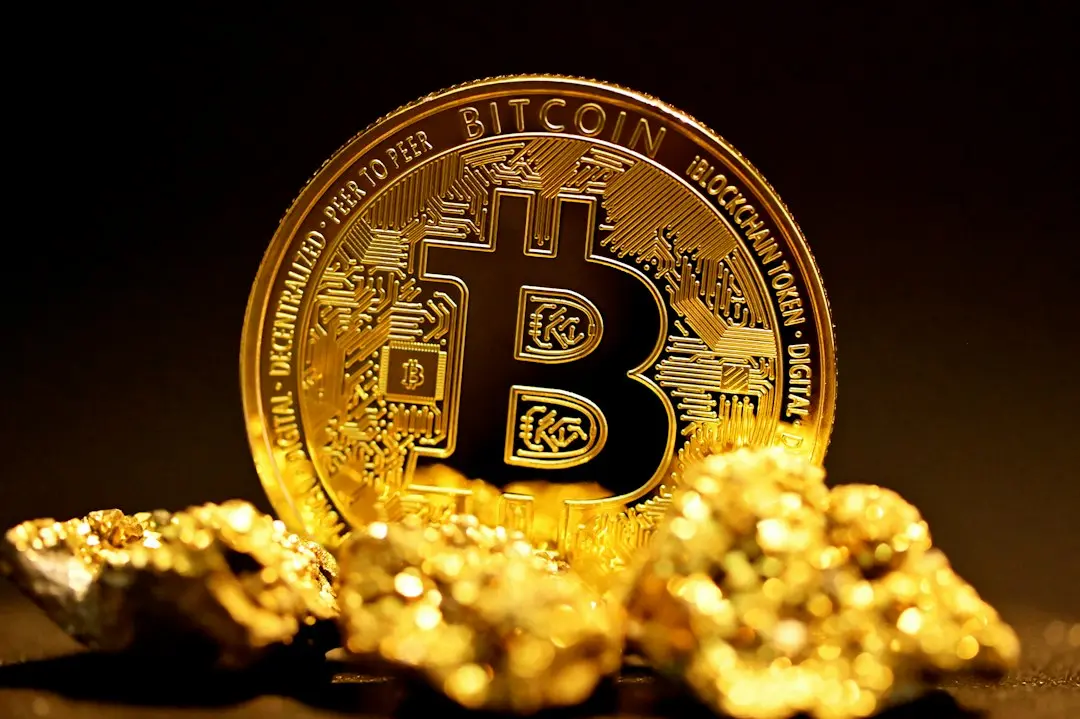
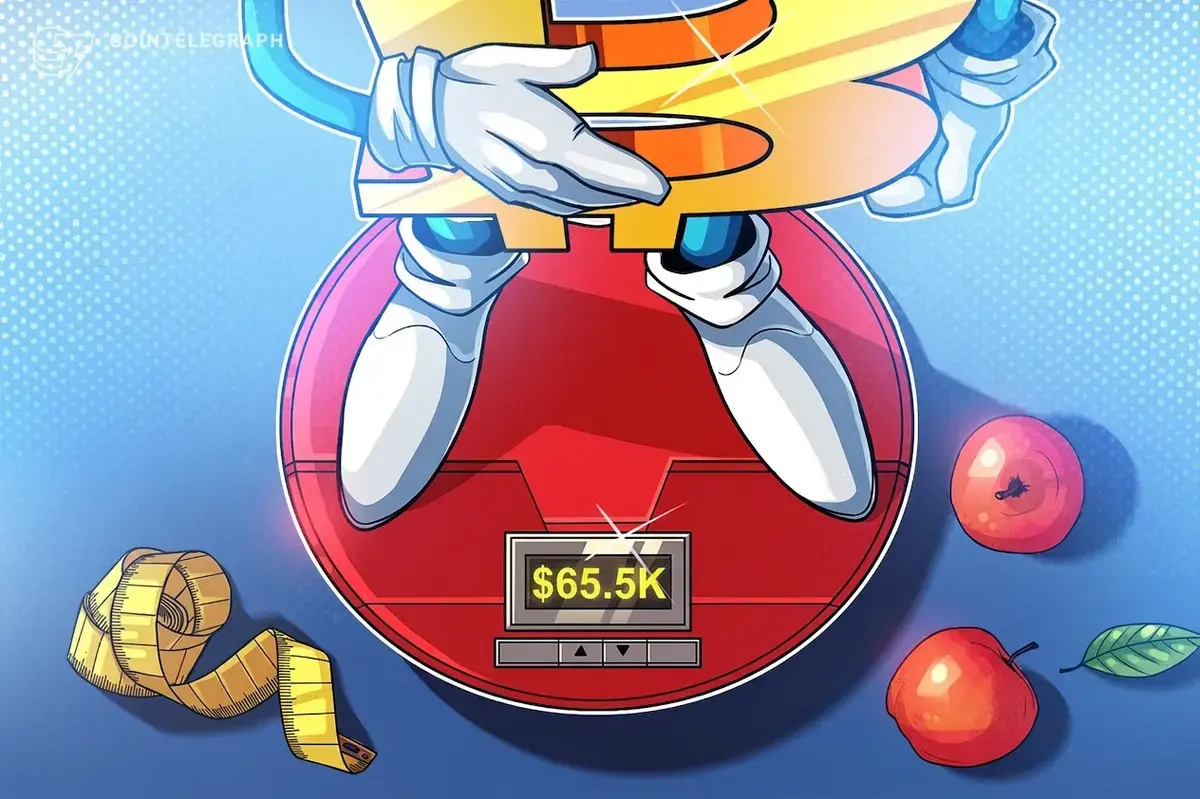
Bitcoin's value climbed significantly, reaching its strongest point since June 22. This surge occurred after new US producer price index (PPI) inflation figures were released. The cryptocurrency briefly touched $65,500, marking a notable increase in its market performance. This development has captured the attention of investors and market watchers.
Breaking news
 Bitcoin Security Could Be Threatened by 2046, AI Model Indicates
 XRP Ledger Patches Critical Bug That Could Have Minted 18 Trillion Tokens
 Aptos Launches AI Tools to Simplify Move Programming
 Regulatory Reach: CFTC Says It Can Oversight Nearly All Commodities
The latest inflation report from the United States surprised many analysts. Instead of showing a rise, the data suggested a cooling in producer prices. This unexpected outcome often signals a potentially less aggressive stance from central banks on interest rates. Such news typically boosts investor confidence in riskier assets like cryptocurrencies.
The producer price index measures the average change over time in the selling prices received by domestic producers for their output. A lower-than-expected PPI can indicate that inflationary pressures are easing. This scenario often leads to speculation that the Federal Reserve might delay or reduce interest rate hikes. Lower interest rates generally make holding non-yielding assets, such as Bitcoin, more attractive compared to traditional investments.
What Does This Mean for Bitcoin's Future Volatility?
Investors reacted positively to the data, seeing it as a sign of economic stability. This sentiment translated into increased buying activity for Bitcoin. The cryptocurrency's price movement reflects a direct response to macroeconomic indicators.
The recent price jump highlights Bitcoin's sensitivity to economic news, particularly inflation reports. Its value can swing dramatically based on these announcements. This volatility is a defining characteristic of the cryptocurrency market.
Frequently Asked Questions
Looking ahead, Bitcoin's price trajectory will likely remain tied to upcoming economic data. Further inflation reports and central bank decisions will continue to influence its short-term performance. Investors should anticipate continued fluctuations as the market digests new information.
What is the significance of the Producer Price Index (PPI)? The PPI measures changes in the prices that producers receive for their goods and services. It serves as an early indicator of inflation, as rising producer costs can eventually be passed on to consumers.
How do interest rates affect Bitcoin's appeal? When interest rates are low, traditional savings accounts and bonds offer less return. This can make alternative investments like Bitcoin, which do not yield interest, more attractive to investors seeking higher potential gains.