Powering the Future with Wind Energy
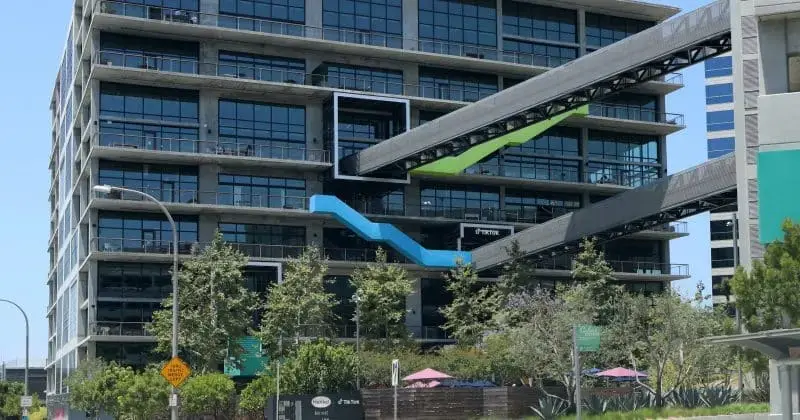
ByteDance is investing $37.7 billion in a massive data center complex in Ceará state, northeastern Brazil. The project is the company's largest outside China. Construction is underway on the AI infrastructure hub, which will be powered by wind energy.
Breaking news
 Trezor Cuts Reseller Ties Following Ledger’s $93 Million Security Breach
 Fraud Victims Blocked by UK Court in $5 B Bitcoin Dispute
 Binance Ends Six-Year Bitcoin Mining Venture
 Strive Buys Over 3,300 Bitcoin in Latest Accumulation Push
The data center is part of ByteDance's efforts to expand its global infrastructure. The company has secured a $2 billion deal for renewable energy supply. This move highlights the growing importance of sustainable energy sources for tech giants.
Can Brazil Keep Up with Data Center Demands?
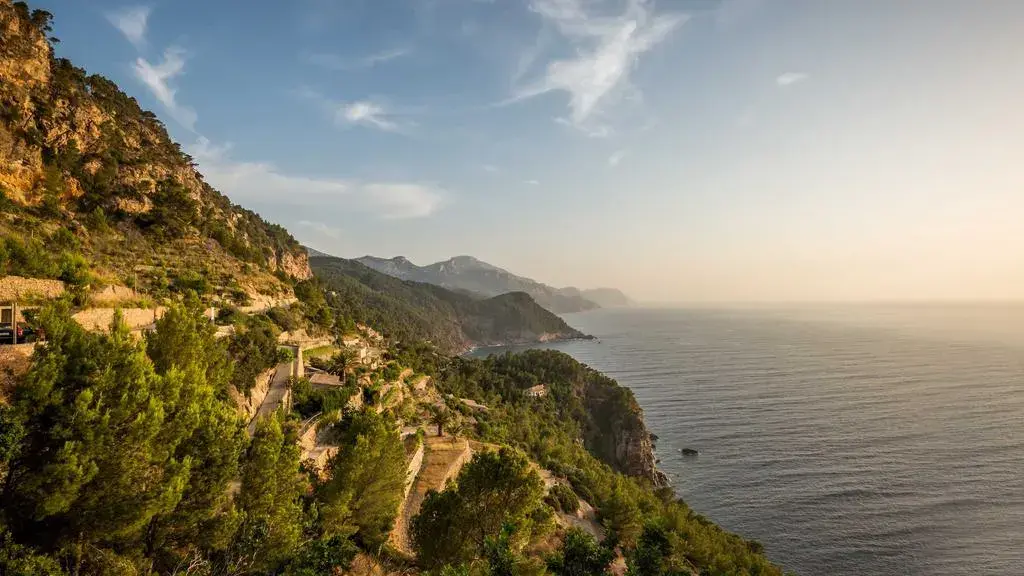
The data center will rely entirely on wind power, underscoring the strategic importance of renewable energy for large-scale tech projects. Ceará state's favorable wind conditions make it an ideal location. By leveraging local renewable resources, ByteDance aims to reduce its carbon footprint.
The investment is expected to boost the local economy and create new job opportunities. As the data center takes shape, it will support the growing demands of ByteDance's global user base, particularly for its popular social media platform, TikTok.
As ByteDance's data center nears completion, questions arise about Brazil's ability to meet the increasing energy needs of tech companies. The country's infrastructure and regulatory framework will be put to the test.
Frequently Asked Questions
The successful execution of this project could pave the way for further investments in Brazil's tech sector. It may also encourage other companies to follow ByteDance's lead in prioritizing renewable energy.
What is driving ByteDance's investment in Brazil? The company's need for expanded global infrastructure and access to renewable energy sources. How will the data center be powered? The facility will be entirely powered by wind energy, thanks to a $2 billion renewable supply deal. What are the expected benefits for the local economy?