Nested Transactions Redefine How Users Move Value
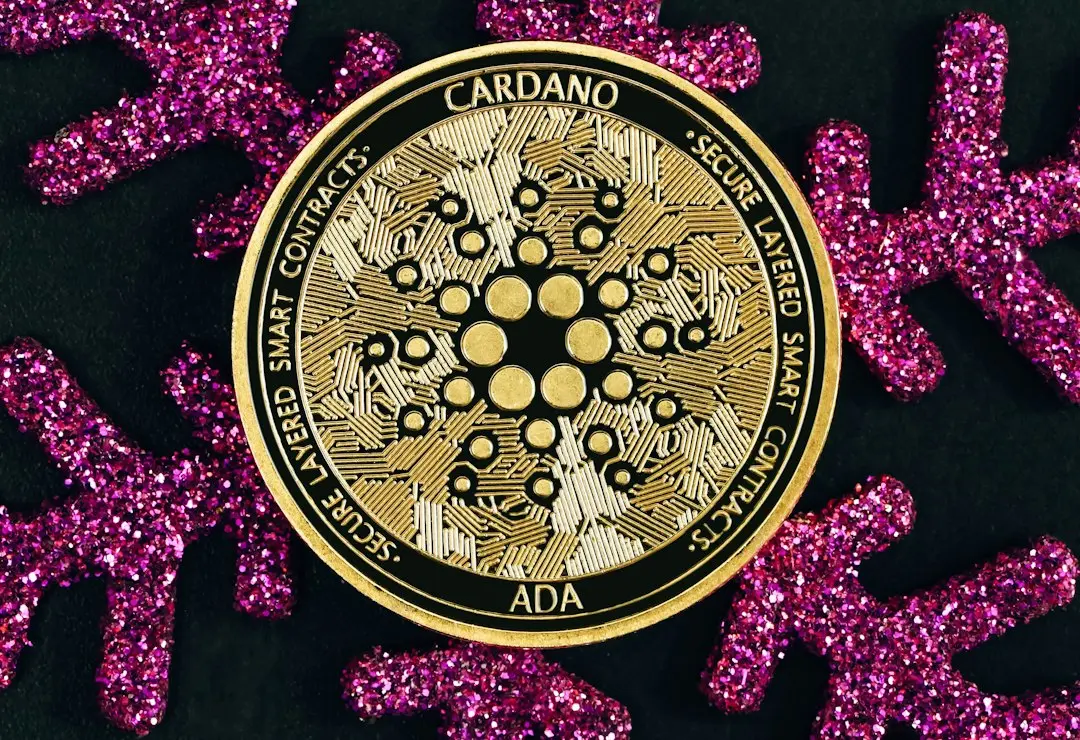
The Cardano blockchain community announced today that the Dijkstra testnet is live, marking the start of testing for the network’s next hard fork. The upgrade, dubbed „Leios,” will introduce nested transactions, enhanced account features, and a new guard mechanism. Development teams and validators are beginning extensive trials to ensure stability before the mainnet rollout later this year.
Breaking news
 Binance Halts All Crypto Withdrawals for a Few Hours on November 25
 OKX and ICE’s Tokenized Stock Platform Generates $1.6 Million on First Day, Allium Reports
 Binance Integrates Cboe Real-Time U.S. Stock Data
 Bitcoin and gold are both viewed as stores of value, but their mechanisms differ sharply
The Dijkstra testnet serves as a sandbox where developers can experiment with the upcoming protocol changes without risking real assets. Leios aims to improve transaction efficiency by allowing multiple operations to be bundled together, reducing fees and processing time. Account enhancements will give users finer control over permissions and token management, while the guard feature adds an extra security layer to protect against unauthorized actions. The testnet’s activation follows months of code audits and community feedback, reflecting Cardano’s methodical approach to protocol upgrades.
Nested transactions enable a single transaction to contain several sub‑transactions, each executing its own logic. This design promises to cut down the number of separate transactions needed for complex operations such as multi‑step swaps or automated market maker interactions. „By nesting actions, we lower network congestion and make sophisticated DeFi workflows more affordable,” said a lead engineer from IOHK, Cardano’s development firm. Early test results show a potential 30% reduction in gas consumption for typical DeFi use cases.
How Will the New Guard Feature Strengthen Security?
Developers on the testnet are already building prototypes that leverage this capability, from cross‑chain bridges to automated lending protocols. The community’s response has been enthusiastic, with several open‑source projects committing resources to integrate nested transaction support before the mainnet launch.
The guard mechanism introduces programmable checks that run before a transaction is finalized. These checks can enforce custom rules, such as limiting token transfers to approved addresses or requiring multi‑signature approval for high‑value moves. „Guards give users and enterprises a powerful tool to enforce compliance and mitigate risk directly on‑chain,” explained a senior security analyst at Emurgo, a Cardano partner.
Initial testing indicates that guards add minimal latency while significantly raising the barrier for malicious actors. By allowing developers to embed policy logic into the transaction layer, Cardano hopes to attract more regulated financial applications that need robust, auditable controls.
The Dijkstra testnet will run for several weeks, during which performance metrics, security audits, and community feedback will shape the final parameters of the Leios hard fork. If successful, the upgrade could position Cardano as a leading platform for scalable, secure decentralized finance.
Frequently Asked Questions
What is the timeline for the Leios hard fork? The testnet is expected to run through the end of the quarter, with the mainnet upgrade slated for early next year, pending successful testing and audit results.
Do users need to take any action before the upgrade? No immediate action is required for end users. Validators and developers should monitor the testnet and update their software to support the new features when they become available.
Will transaction fees change after Leios is implemented? Fees are projected to decrease for complex operations due to the efficiency gains from nested transactions, though exact fee structures will be finalized after testnet data is analyzed.