Betting on Market Movements
Cboe, a major US derivatives exchange, is reviving yes/no bets on the S&P 500, a product it discontinued a decade ago. The move enters a rapidly growing online market popularized by platforms like Polymarket and Kalshi. This development marks a significant shift in the financial derivatives landscape.
Breaking news
 CirBTC Borrowing on Morpho Surges Past $190 Million as USDC Liquidity Dries Up
 Trezor Ends Partnerships With Major Reseller Network After Ledger Security Incident
 Nasdaq‑Listed XRP Shares Reveal Major Holdings by Ripple Insiders, SEC Filing Shows
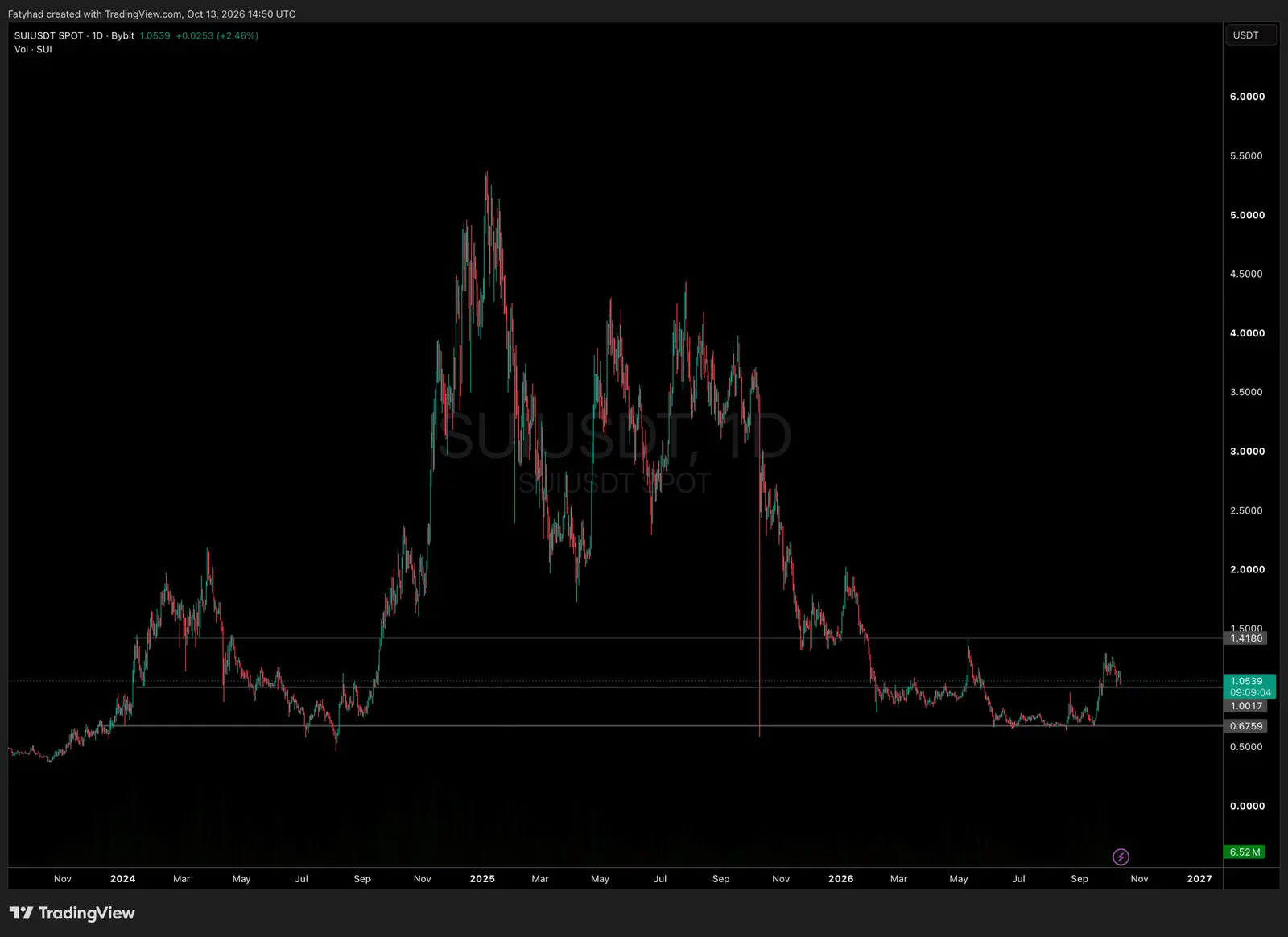 Sui Foundation Acquires Entire Blockchain Network for $30 Million
Cboe's binary options allow traders to bet on whether the S&P 500 will be above or below a certain level at a specific time. The product's return is expected to attract traders looking for straightforward ways to speculate on market movements. By re-entering this market, Cboe is competing directly with newer platforms.
Can Cboe Regain Market Share?
The binary options market has grown significantly since Cboe initially pulled out. Platforms like Polymarket and Kalshi have capitalized on the demand for simple, yes/no bets on various outcomes, including market indices. Cboe's re-entry into this space will test its ability to compete with these established players.
The revival of S&P 500 binary options by Cboe is likely to increase competition and potentially drive innovation in the derivatives market. As a result, traders may benefit from a broader range of products and improved trading conditions.
What are binary options? Binary options are financial derivatives that allow traders to bet on whether an asset's price will be above or below a certain level. They offer a straightforward way to speculate on market movements.
Frequently Asked Questions
What is driving the demand for binary options? The demand is driven by traders seeking simple, yes/no bets on market outcomes, a trend capitalized on by platforms like Polymarket and Kalshi.
How will Cboe's move affect the market? Cboe's re-entry is expected to increase competition, potentially driving innovation and benefiting traders with a broader range of products.