Infiltration Techniques and Financial Trails
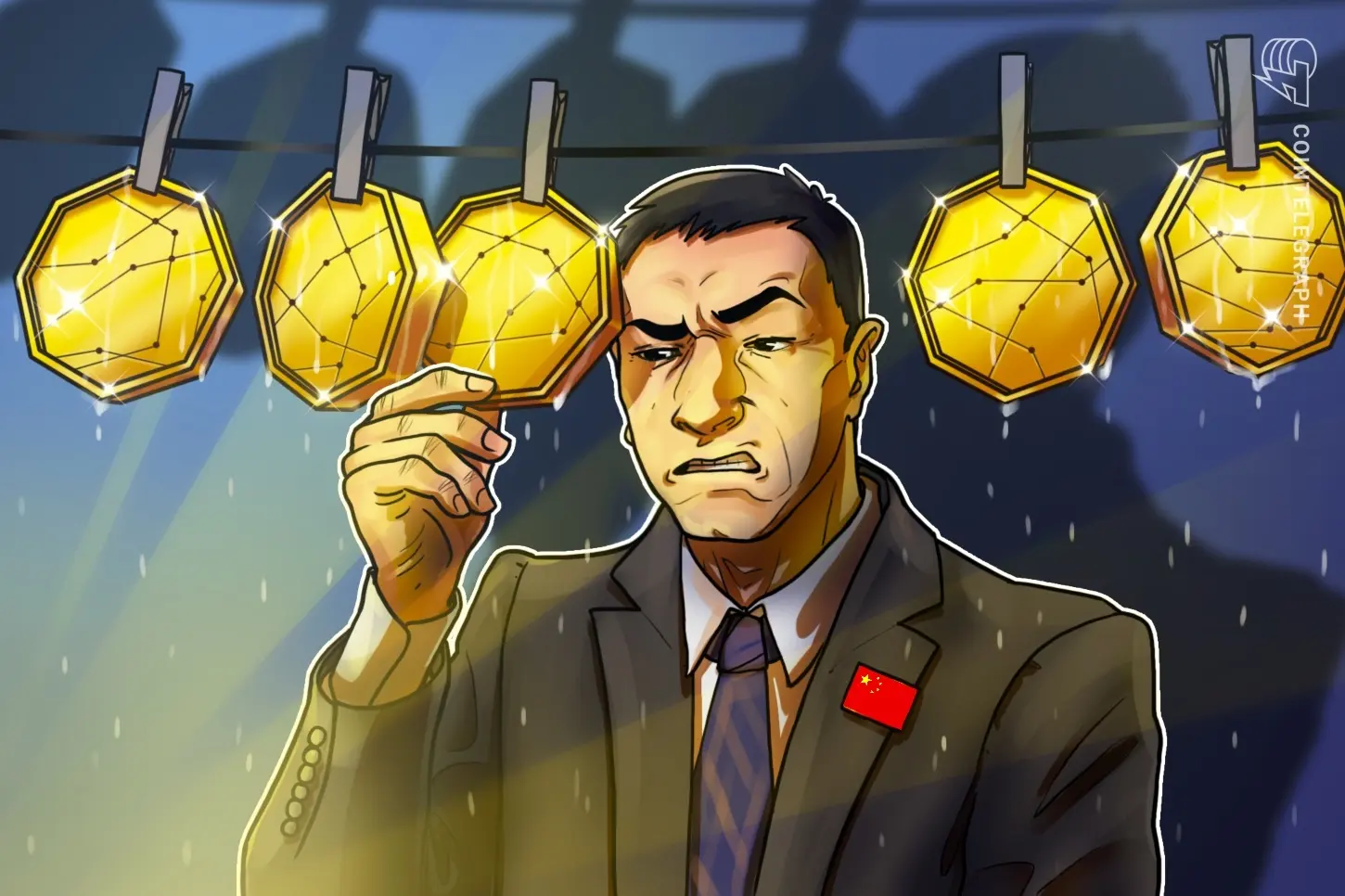
Investigator ZachXBT revealed that a sophisticated Chinese criminal network laundered over one billion dollars for North Korea’s Lazarus Group. The operation involved two crypto traders, one based in Hong Kong and the other in mainland China. These individuals facilitated the conversion of stolen digital assets. The US Treasury sanctioned them in 2023 for bypassing financial controls.
Breaking news
 Bitcoin Security Could Be Threatened by 2046, AI Model Indicates
 XRP Ledger Patches Critical Bug That Could Have Minted 18 Trillion Tokens
 Aptos Launches AI Tools to Simplify Move Programming
 Regulatory Reach: CFTC Says It Can Oversight Nearly All Commodities
ZachXBT claims he infiltrated this network by posing as a potential customer. This undercover approach allowed him to gather critical intelligence. The information helped trace the flow of illicit funds. The network specifically handled proceeds from major crypto heists. One notable case involved the $387.5 million theft linked to Chinese actors. The scale of the laundering operation suggests deep institutional support.
The investigator spent significant time interacting with the money launderers. He presented himself as someone seeking to move large sums of stolen crypto. This tactic built trust within the criminal circle. The launderers operated with high efficiency and discretion. They utilized complex mixing services and peer-to-peer exchanges. These methods obscured the origin of the funds. The goal was to integrate stolen assets into the legitimate financial system.
How Did Sanctions Fail to Stop the Flow?
ZachXBT’s findings highlight the resilience of the Lazarus Group. Despite international sanctions, the group continues to operate. The Chinese network acted as a vital intermediary. It provided the necessary infrastructure to hide the North Korean connection. The two sanctioned traders played key roles in this pipeline. Their actions enabled the movement of billions in value. The US Department of the Treasury’s Office of Foreign Assets Control identified their specific contributions.
The laundering process involved multiple stages. First, stolen crypto was aggregated. Then, it was converted into other digital assets. Finally, it was exchanged for fiat currency. This multi-step process broke the audit trail. It made detection by law enforcement extremely difficult. ZachXBT’s infiltration exposed these specific mechanisms. The data collected provides a clear map of the network.
The 2023 sanctions targeted only two individuals. However, the broader network remained largely untouched. This suggests a decentralized operational structure. Other actors likely stepped in to fill the void. The use of Chinese intermediaries adds a geopolitical layer. It complicates international cooperation on enforcement. The sheer volume of laundered funds indicates high demand. Criminal groups continue to rely on these services.
Frequently Asked Questions
The $1 billion figure underscores the magnitude of the threat. It represents a significant portion of global crypto theft. The Lazarus Group remains the most active state-sponsored hacker. Their ability to launder funds ensures their operational sustainability. Without effective countermeasures, the cycle continues. The exposed network serves as a blueprint for others.
Who was sanctioned by the US Treasury in 2023? Two crypto traders were sanctioned. One was from Hong Kong and the other from mainland China. They were accused of helping North Korea convert stolen crypto.
How did ZachXBT obtain the information? He posed as a customer seeking laundering services. This undercover role allowed him to gather direct evidence. The data traced the flow of over one billion dollars.