
Cold Storage Strategy Shields Most User Funds
Coinbase announced on Tuesday that it was not impacted by the recent $6.4 billion hack that hit Binance. The U. S. exchange said more than 99 percent of its customers’ digital assets are kept in cold storage, isolated from the internet and therefore out of reach for hackers. It also outlined the security architecture that protects user funds, emphasizing that assets are held on a one‑to‑one basis with no fractional ownership.
Breaking news
 Claude AI Forecasts Chainlink Plunge in 2027
 XRP Crashes to $0.87 as ETF Assets Fall Below $1 Billion
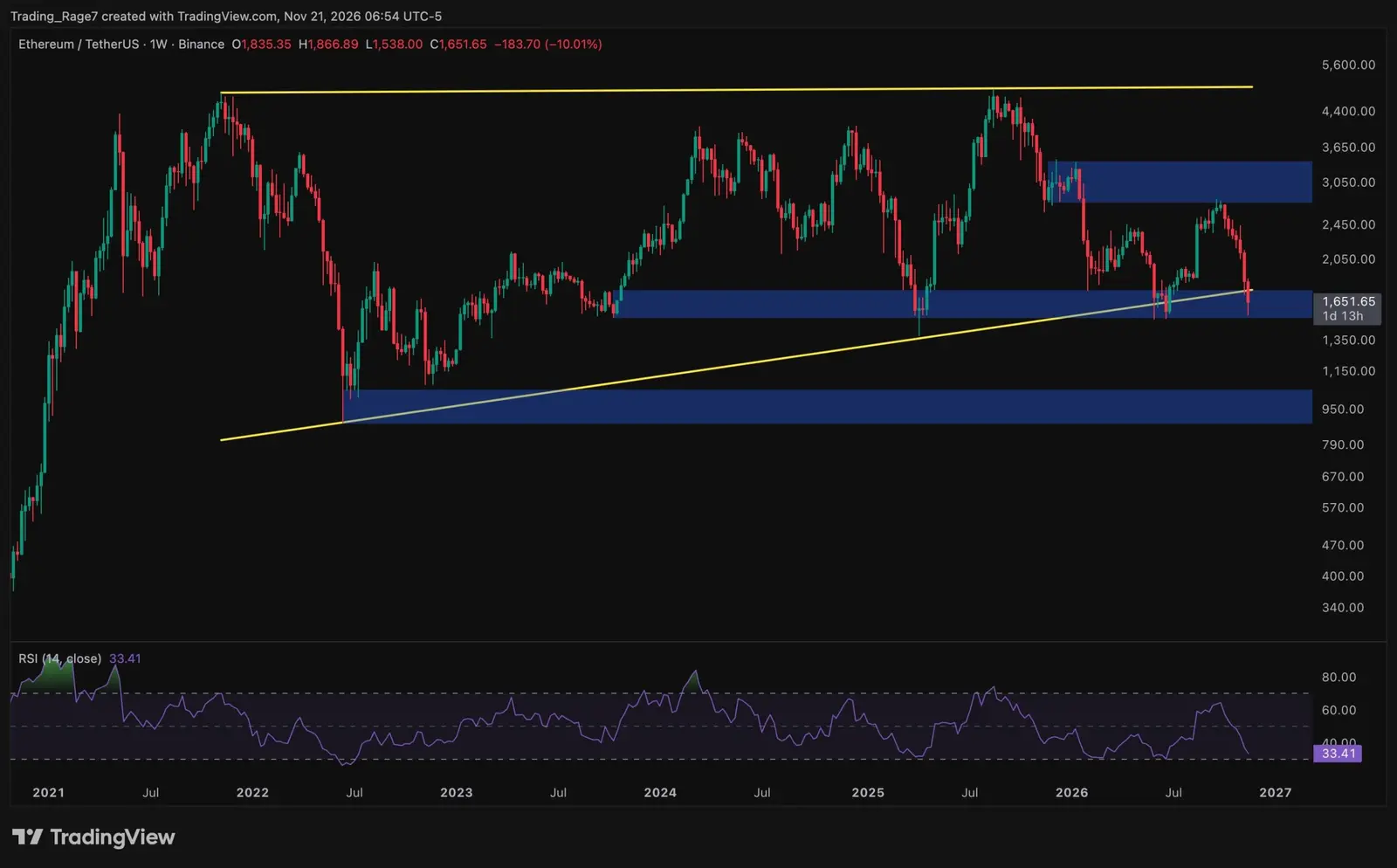 Ethereum price analysis: Did ETH hit its macro bottom after a 30% monthly drop?
 Bitcoin Reclaims $60,000 After Sharp Summer Selloff
The company’s statement detailed a layered security approach designed to prevent unauthorized withdrawals. Private keys are split across multiple locations, and any withdrawal request triggers rate limits and anomaly‑detection algorithms. If suspicious activity is detected, a „kill switch” can instantly disable the signing keys, halting the transaction. Coinbase said these safeguards, combined with its practice of storing the vast majority of assets offline, make a breach like Binance’s virtually impossible on its platform.
Coinbase’s cold‑storage policy means that for every dollar of cryptocurrency a customer holds, an equivalent amount is stored in hardware wallets that are never connected to the internet. The exchange maintains a small fraction of assets in hot wallets to facilitate daily trading, but this portion is tightly controlled. „We limit the amount of crypto in hot wallets to the minimum required for operational liquidity,” a Coinbase spokesperson explained. The split‑key system ensures that no single point of failure can expose the entire reserve. Even if one key were compromised, the other remains secure, rendering the theft of assets extremely difficult.
How Does Coinbase’s Security Compare to Other Exchanges?
The firm also employs continuous monitoring tools that flag irregular transaction patterns. When a potential breach is identified, the system can automatically trigger the kill switch, rendering the compromised signing keys inert until the issue is resolved. This rapid response capability is a core element of Coinbase’s defense against large‑scale attacks.
Coinbase’s claim of 99 percent cold storage puts it ahead of many competitors that keep larger portions of user funds online for faster access. While some platforms argue that higher hot‑wallet balances improve liquidity, they also increase exposure to cyber‑theft. Coinbase’s approach balances accessibility with security by limiting hot‑wallet exposure and employing rigorous controls. Industry analysts note that this model may become a benchmark as regulators push for stronger consumer protections in the crypto space.
The exchange’s reassurance comes at a time when confidence in digital‑asset platforms has been shaken by the Binance incident. By emphasizing its robust safeguards, Coinbase aims to retain user trust and attract new customers wary of security risks. The company’s transparent communication about its security protocols could set a new standard for industry disclosure.
Frequently Asked Questions
What percentage of my crypto is stored offline on Coinbase? Coinbase states that over 99 percent of customer assets are held in cold storage, meaning they are kept offline and inaccessible to hackers.
Can a hacker still steal funds from the small hot‑wallet portion? While a minimal amount of crypto resides in hot wallets for liquidity, Coinbase applies strict withdrawal limits, anomaly detection, and a kill‑switch to quickly neutralize any unauthorized attempts.
How does Coinbase ensure the one‑to‑one asset backing claim? The exchange matches each user’s holdings with an equivalent amount of cryptocurrency held in reserve, audited regularly to confirm that no fractional or leveraged positions are taken with customer funds.