
Trust gap between DeFi and traditional banks
A national survey by the DeFi Education Foundation, conducted with Ipsos, exposed a significant imbalance. Only a small fraction of Americans fully trust decentralized platforms. Traditional banking institutions continue to dominate the financial landscape. The results, based on a survey conducted between September 8 and 16, 2026, show that just 5% of participants had high trust in DeFi technologies. In contrast, 42% expressed full or high confidence in major national banks.
Breaking news
 Claude AI Forecasts Chainlink Plunge in 2027
 XRP Crashes to $0.87 as ETF Assets Fall Below $1 Billion
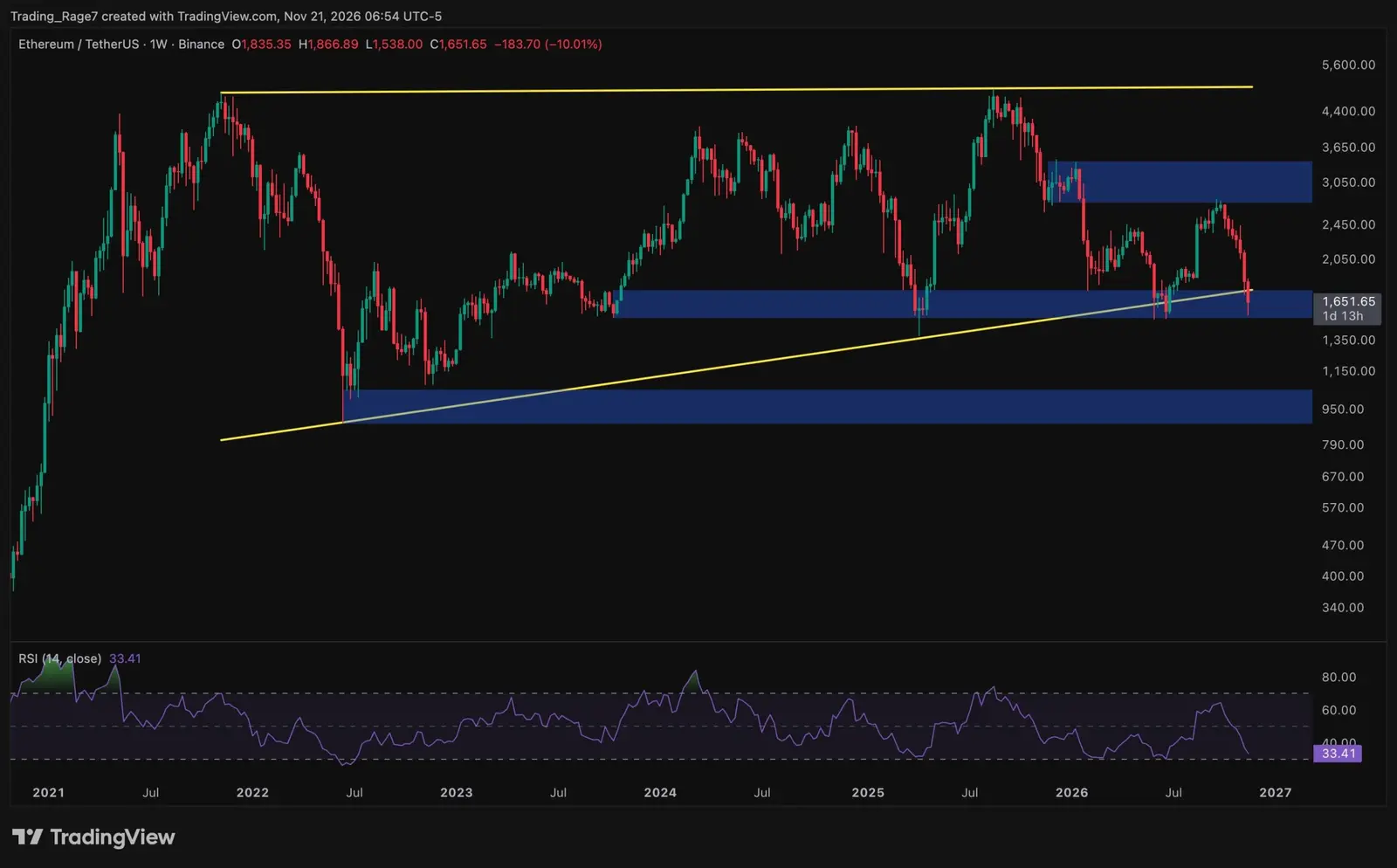 Ethereum price analysis: Did ETH hit its macro bottom after a 30% monthly drop?
 Bitcoin Reclaims $60,000 After Sharp Summer Selloff
Deep educational gap in DeFi familiarity
Figures on technology familiarity reveal a deep educational gap. Only 2% of respondents described themselves as extremely or very familiar with DeFi. Meanwhile, 92% stated they were not at all or only slightly familiar with the concept. This 92% figure remained unchanged from the August 2025 survey, indicating a stagnation in public understanding of decentralized finance mechanisms. For comparison, 9% were familiar with cryptocurrencies and 5% with stablecoins. This suggests DeFi remains an unknown territory for most citizens.
Growing crypto ownership and usage patterns
Regarding digital asset experience, the proportion of Americans who have held or used cryptocurrency at some point in their lives has risen to 22%. This is up from 18% recorded in 2025. However, participation in the last 12 months remained stable at 13% in both survey waves. Reasons for holding or using cryptocurrency vary: 34% cited curiosity, a quarter mentioned long-term investments, 18% short-term investments, and 8% purchases or payments. This trend aligns with earlier Gallup data, which in July 2025 reported that 14% of American adults held cryptocurrency at that time.
Perceptions of US financial system security
The security of the American financial system was assessed through a specific question. Only 19% strongly supported the statement that the current US financial system is safe. Specifically, 3% responded extremely welland 16% very well. Additionally, 47% considered the system more or lesssafe, while 31% chose not very wellor not at all. This moderate perception contrasts with higher trust in credit unions (48%) and regional or community banks (41%).
Financial privacy and data control concerns
Financial privacy was another focal point of the study. 74% of respondents considered it important. Moreover, 62% prefer to keep personal information related to financial transactions confidential. Regarding personal data control, 80% supported the need to give individuals more power over their own data. This figure combines various levels of agreement from the base questionnaires.
Modernization needs and AI security risks
In the face of emerging threats, 63% strongly supported the need to modernize the financial system to counter cybercrimes and AI-related risks. However, 54% expressed concern that financial institutions are not sufficiently prepared to protect personal information from AI threats. These data underline a growing demand for control and transparency, even though technical familiarity with DeFi solutions remains low.