
How Do Prediction Markets Reflect Fed Expectations?
A $42 million prediction market snapshot reveals a narrow split on whether the Federal Reserve will raise interest rates by 25 basis points in September, with odds just above 50% favoring a hike. The data comes from decentralized trading platforms where participants bet real funds on monetary policy outcomes, reflecting real-time sentiment ahead of the FOMC meeting. Traders are weighing inflation trends, labor market strength, and recent Fed communications to gauge the likelihood of another tightening move. The market’s near-even split underscores uncertainty about the central bank’s next step in its inflation fight.
Breaking news
 Strategy Buys 250 Bitcoin, Sells Shares to Fund Purchase
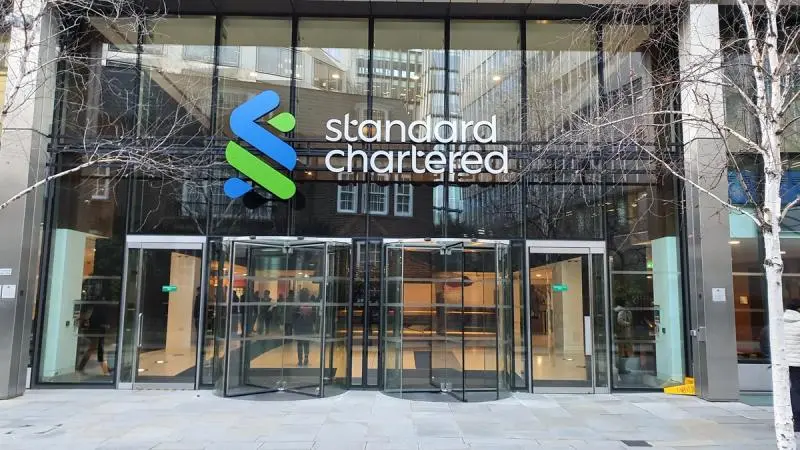 Standard Chartered Announces RLUSD Custody Services in Dubai and Explores LMAX Collateral Integration
 Hyperliquid Trader Gains $20 Million by Shorting Major Cryptos While Going Long on NEAR
 Digital Asset Oversight: EU Tightens Rules on Stablecoins and Market Conduct
The prediction market aggregates bets from thousands of users across blockchain-based platforms, with each contract paying out if the Fed delivers a 25-basis-point increase. Current pricing shows a slight edge for the hike scenario, suggesting traders see it as marginally more probable than a hold. This contrasts with earlier expectations of a pause, as sticky services inflation and resilient job data have kept pressure on policymakers. Analysts note that while prediction markets aren’t perfect forecasters, they often incorporate diverse information faster than traditional surveys. The $42 million in open interest indicates significant participation, lending weight to the market’s signal as a barometer of institutional and retail sentiment.
What Could Shift the Odds Before the Meeting?
These markets function by letting users buy and sell shares tied to specific policy outcomes, with prices fluctuating based on supply and demand. A share priced at 55 cents implies a 55% probability of the event occurring, according to the market’s implicit odds. Traders adjust positions in response to economic releases, speeches, and geopolitical events, making the prices a dynamic aggregate of informed guesses. Unlike opinion polls, prediction markets involve financial stakes, which proponents argue reduces bias and encourages careful consideration. In this case, the market’s slight tilt toward a hike aligns with recent Fed rhetoric emphasizing data dependence and caution about declaring victory over inflation.
Key upcoming data points include the August jobs report and the latest consumer price index release, both due days before the FOMC decision. A stronger-than-expected jobs number could push odds higher for a hike, while softer inflation might tilt sentiment toward a pause. Geopolitical tensions or financial instability could also intervene, though forecasters see those as less likely immediate drivers. Market participants are also watching for any hints in the Fed’s dot plot or Chair Powell’s press conference posture. Even small shifts in expectations can trigger significant moves in bond yields and currency markets, amplifying the stakes of the forecast.
How reliable are prediction markets for forecasting Fed moves? They have shown reasonable accuracy in past cycles, often outperforming expert polls, though they are not infallible and can be influenced by short-term speculation or liquidity factors.
Frequently Asked Questions
Why does the market show odds just above 50% for a hike? It reflects a close balance between arguments for continued tightening—based on persistent inflation—and expectations of a pause due to lagging policy effects and growth concerns.
Could the market be wrong about the Fed’s decision? Yes, prediction markets express probabilities, not certainties; a 55% chance still means a 45% likelihood of the alternative outcome occurring.