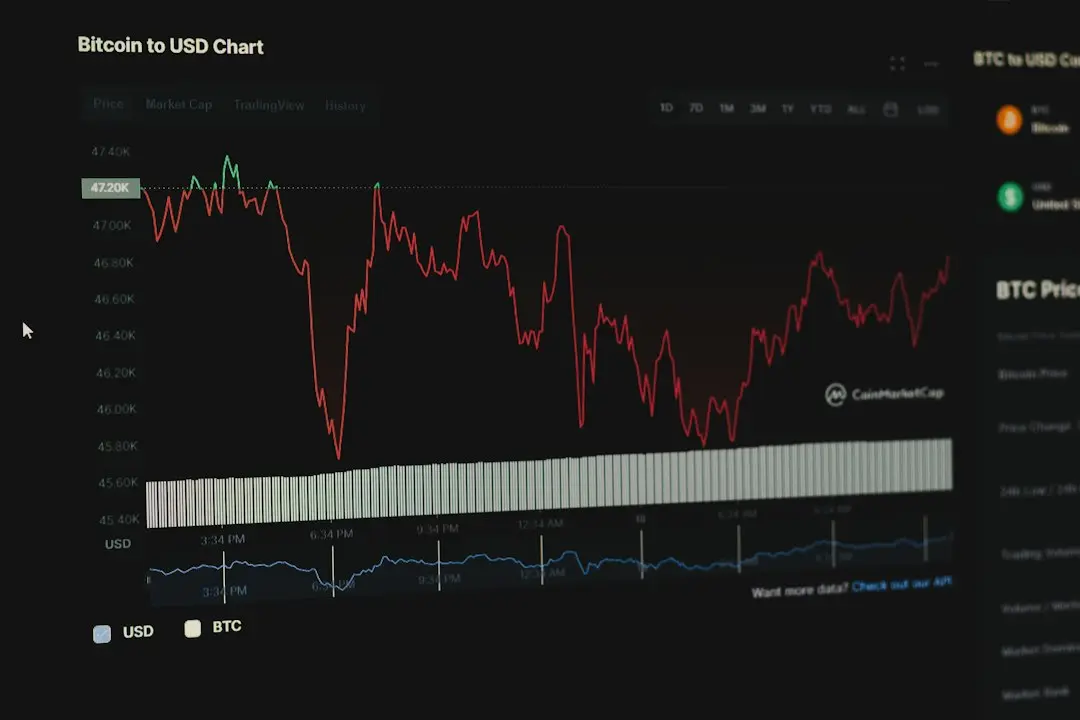
Ethereum's Robust Network vs. Solana's Shrinking Validator Pool
A former BlackRock executive, Joseph Chalom, has defended Ethereum against recent criticisms. He argued that Ethereum's vast network of validators and developers demonstrates its strong decentralized nature. This defense comes as rival blockchain Solana sees a reduction in its validator count.
Breaking news
 Solana Sandwich Bots Extract $29.7 Million, Mostly Targeting Pump.fun
 South Korean Bank Launches Bitcoin-Backed Corporate Lending Program
 Standard Chartered Expands Crypto Custody Services to Singapore
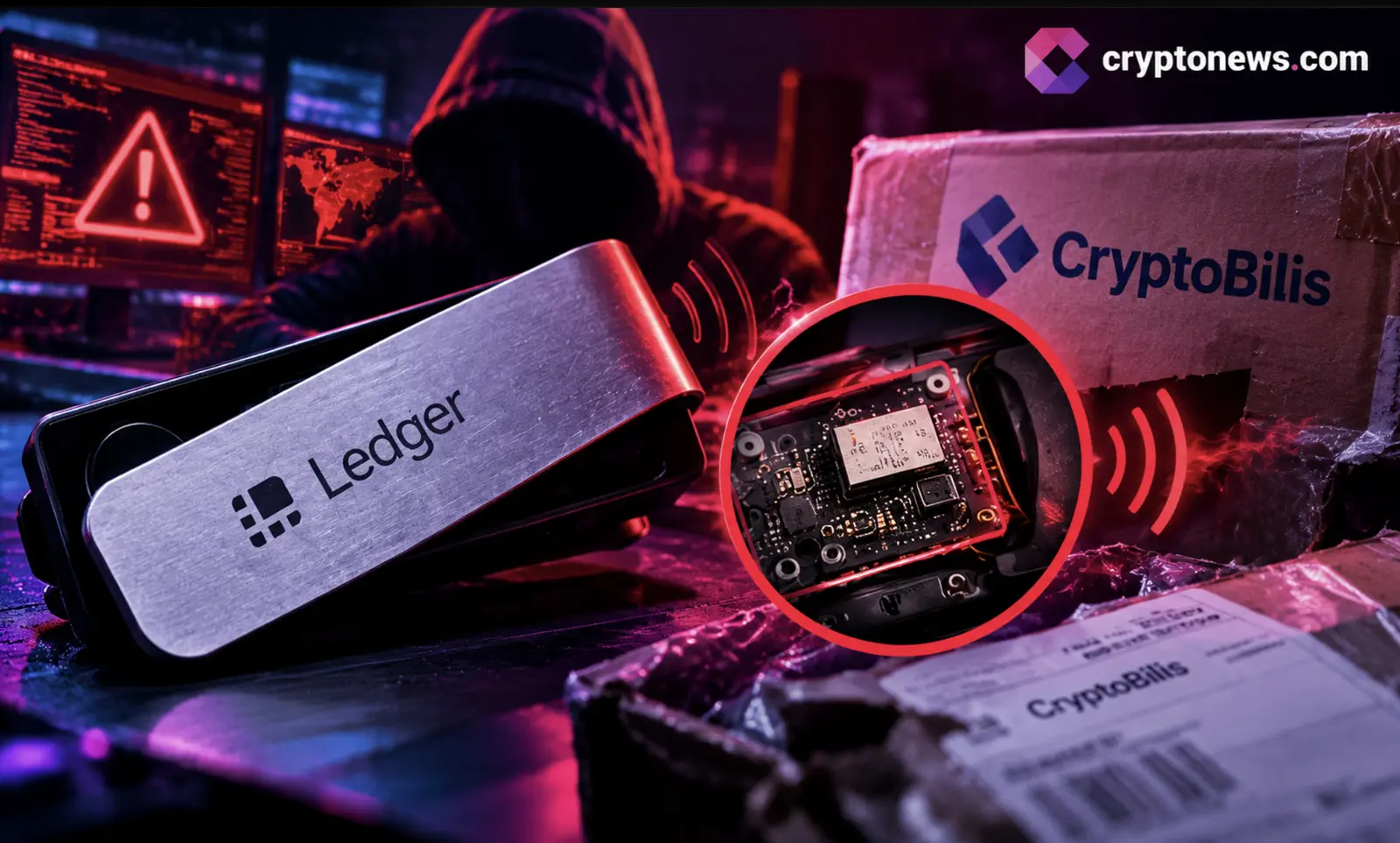 Hardware Implant Discovered in Crypto Wallet Security Investigation
Chalom, now co-CEO of Sharplink, addressed claims suggesting Ethereum suffers from a „culture problem.”He highlighted Ethereum's impressive statistics, including over 900,000 validators. The platform also boasts more than one million developers actively contributing to its ecosystem.
Chalom's comments underscore a key difference between the two major blockchain platforms. Ethereum's extensive validator network is a cornerstone of its security and decentralization. This large number of independent operators helps prevent any single entity from gaining too much control. In contrast, Solana's validator count has reportedly fallen to around 800. A smaller validator pool can raise questions about a network's decentralization and resilience.
Is Decentralization a Key Differentiator for Blockchain Success?
The number of validators directly impacts a blockchain's security model. More validators generally mean a more distributed and thus more secure network. This distribution makes it harder for malicious actors to compromise the system. Ethereum's design prioritizes this broad participation.
The debate over decentralization remains central to the cryptocurrency world. Proponents argue that true decentralization is vital for censorship resistance and trustlessness. These qualities are often seen as core tenets of blockchain technology. Ethereum's community-driven development and widespread validation are often cited as examples of this principle in action.
The contrasting validator numbers between Ethereum and Solana highlight different approaches to blockchain architecture. While Solana aims for high transaction speeds, Ethereum prioritizes a more distributed and robust validation process. This difference could influence long-term adoption and trust in each network. The ongoing evolution of both platforms will likely continue to shape the broader crypto landscape.
Frequently Asked Questions
What is a blockchain validator? A validator is a participant in a blockchain network responsible for verifying transactions and maintaining the network's integrity. They play a crucial role in securing the blockchain and ensuring its proper operation.
Why is decentralization important for a blockchain? Decentralization ensures that no single entity has control over the network, making it more resistant to censorship, manipulation, and single points of failure. It promotes trust and security among users.
What is the significance of a high developer count for a blockchain? A high developer count indicates a vibrant and active ecosystem, suggesting ongoing innovation, robust support, and a strong community. This fosters growth and adaptability for the blockchain platform.