
Regulatory Response to Market Growth
Ghana has emerged as the fifth-largest cryptocurrency market in sub-Saharan Africa, with annual digital asset transactions estimated at approximately $21 billion. This figure reflects growing activity in stablecoin use and trading platforms across the country as of late 2026. Regulatory authorities are now moving to establish formal oversight for this rapidly expanding sector.
Breaking news
 Crypto News Site Faces Sale After Google Penalty
 Justin Drake urges crypto ‘bunker mode,’ as AI could break wallet security within months
 XRP Whale Withdrawals from Binance Hit Seven-Month Peak
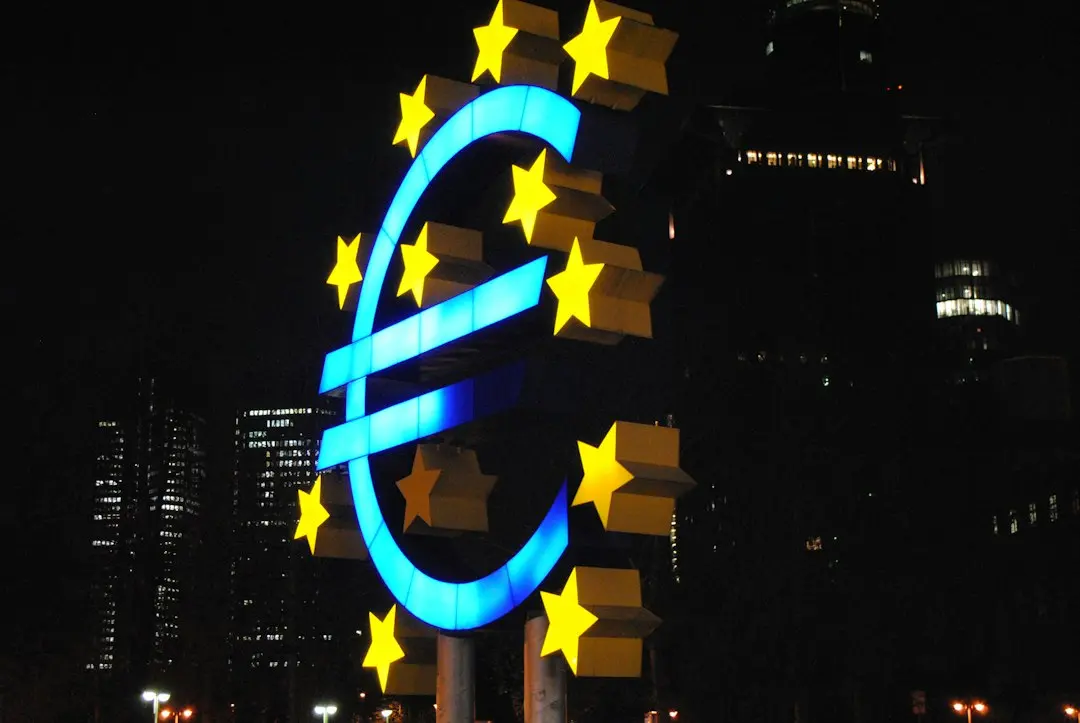 What is a euro-pegged stablecoin?
The Bank of Ghana and financial regulators are preparing to introduce a supervisory framework for stablecoins and crypto trading activities. Officials cite the need to mitigate risks such as money laundering and consumer protection gaps while fostering innovation. The initiative aims to bring transparency to a market that has largely operated outside traditional banking channels. Industry stakeholders have expressed cautious optimism about clearer rules enabling sustainable growth.
How Will Oversight Affect Users and Platforms?
New regulations may require crypto exchanges and wallet providers to register with financial authorities and implement know-your-customer procedures. Stablecoin issuers could face reserve auditing and reporting obligations similar to those for electronic money institutions. These measures are intended to build trust and reduce volatility risks for retail investors. Compliance costs may initially challenge smaller operators but could ultimately strengthen market integrity.
What is driving Ghana’s high crypto transaction volume? Increased use of stablecoins for cross-border remittances, inflation hedging, and peer-to-peer trading is fueling growth, especially among young urban populations seeking alternatives to traditional banking.
Frequently Asked Questions
Will the new rules ban cryptocurrency use in Ghana? No, the regulatory approach focuses on supervision and licensing rather than prohibition, aiming to integrate crypto activities into the formal financial system safely.
How does Ghana compare to other African crypto markets? Ghana ranks behind Nigeria, Kenya, South Africa, and Tanzania in sub-Saharan Africa, with its $21 billion annual volume reflecting strong adoption despite a smaller population base.