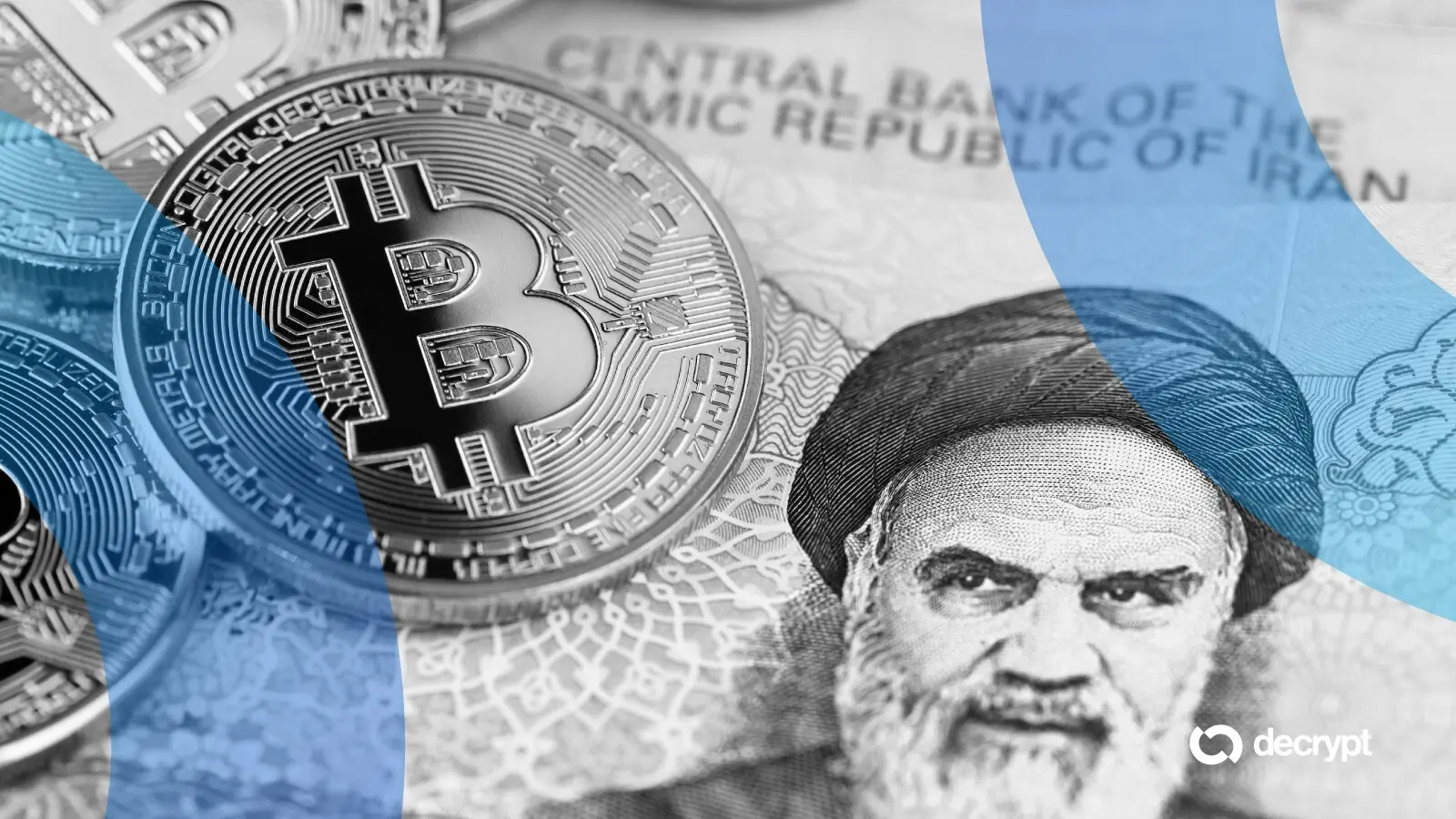
Iran has announced its intention to require oil tankers navigating the Strait of Hormuz to pay transit fees using Bitcoin. This move comes as the country seeks to circumvent economic sanctions that have impacted its oil industry. Officials believe that utilizing cryptocurrency will make these transactions more difficult to trace or confiscate.
Breaking news
 $1.6 Billion SPAC Agreement for Ether Machine Fails Amid
 Crypto Market Faces Major Downgrades Amid Profit Concerns
 XRP ETFs Surpass Bitcoin as Crypto Funds See Significant
 North Korean Crypto Operations Exposed by Independent
The decision to accept Bitcoin follows a two-week ceasefire in regional tensions, suggesting a strategic shift in Iran's approach to international trade. By adopting digital currency, Iran aims to bolster its oil exports, which have been hindered by various sanctions imposed by Western nations. Officials argue that Bitcoin can provide a level of anonymity that traditional payment methods do not offer.
Circumventing Sanctions: Bitcoin as Iran's Financial Lifeline
This development could have significant implications for the cryptocurrency market. As more governments explore digital currencies, the demand for Bitcoin may increase, leading to potential price fluctuations. Analysts suggest that Iran's adoption of Bitcoin for oil payments could inspire other nations facing similar sanctions to consider cryptocurrency as a viable alternative for international transactions.
The move could also attract attention from investors looking to capitalize on the growing intersection of cryptocurrency and global trade. If successful, Iran's strategy might encourage other oil-producing nations to adopt similar payment methods, further legitimizing Bitcoin in the energy sector. The potential for increased demand could drive up Bitcoin's value, making it a focal point for investors.
Geopolitical Ramifications: Iran's Bitcoin Gambit and Global Trade
For investors, this shift raises questions about the future of Bitcoin and its role in international commerce. As countries like Iran look to digital currencies to bypass traditional financial systems, the landscape of global trade could change dramatically. Investors will need to monitor how this situation unfolds and its potential impact on Bitcoin's market stability.
The acceptance of Bitcoin for oil transit fees could escalate competition among oil exporters, particularly those who may feel threatened by Iran's innovative approach. As tensions in the region evolve, the ramifications of this policy could extend beyond cryptocurrency, influencing global oil markets and geopolitical dynamics. The outlook remains uncertain, but the integration of Bitcoin into oil trade may signal a new era for both the cryptocurrency and energy sectors.