
The Anatomy of the Coldcard Security Failure
Cryptocurrency investors faced a brutal July as digital asset thefts reached a staggering $247 million. This monthly total ranks as the second-highest loss recorded throughout 2026. A major security exploit involving Coldcard hardware wallets served as the primary catalyst for this financial damage, accounting for more than $100 million in stolen funds.
Breaking news
 Crypto News Site Faces Sale After Google Penalty
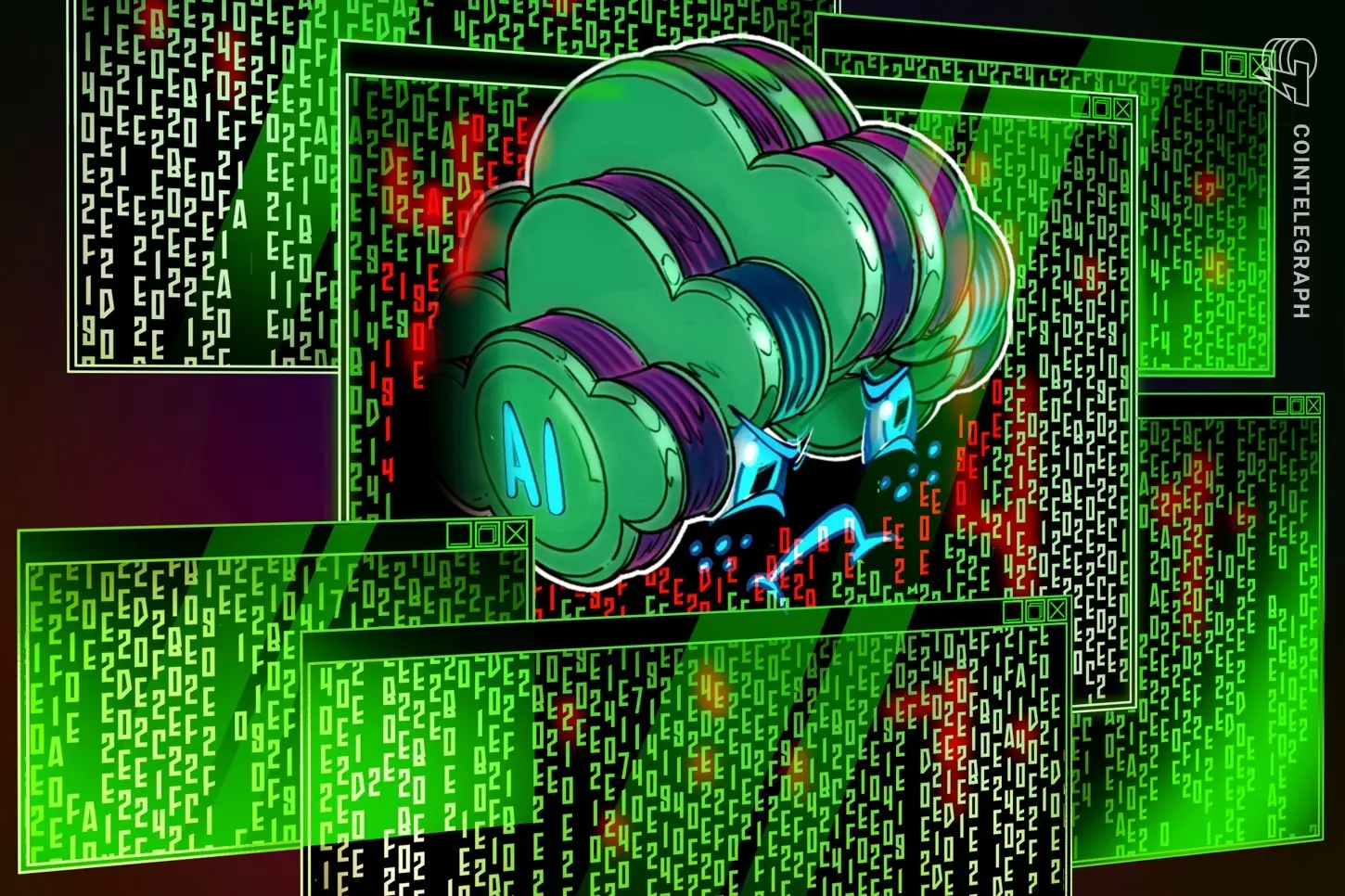 Justin Drake urges crypto ‘bunker mode,’ as AI could break wallet security within months
 XRP Whale Withdrawals from Binance Hit Seven-Month Peak
 What is a euro-pegged stablecoin?
The breach highlights persistent vulnerabilities within the crypto ecosystem. Security researchers noted that the Coldcard incident specifically compromised private keys, allowing attackers to drain assets from supposedly secure storage solutions. These losses represent a significant blow to user confidence in self-custody hardware devices, which are often marketed as the safest way to hold digital assets.
The exploit targeted specific firmware configurations, creating a backdoor for unauthorized transactions. Once attackers bypassed the device's security protocols, they moved quickly to liquidate holdings across multiple chains. This rapid movement of funds made recovery efforts nearly impossible for the affected parties. The scale of this single event underscores how even industry-standard hardware can become a liability when security flaws are discovered.
Are Hardware Wallets Still the Gold Standard for Security?
Industry analysts emphasize that this event was not an isolated technical glitch. Instead, it reflects a broader trend of sophisticated actors targeting high-value infrastructure. By focusing on hardware manufacturers, attackers can bypass traditional exchange security and access large quantities of assets in a single strike.
Despite the recent breach, experts argue that hardware storage remains safer than keeping funds on centralized exchanges. However, the July incident serves as a wake-up call for manufacturers to prioritize firmware audits and transparency. Users are now being urged to verify their device status and monitor official security communications more closely than ever before.
Frequently Asked Questions
The financial impact of this month’s thefts will likely influence future security standards across the industry. As developers work to patch these vulnerabilities, the crypto community must remain vigilant against evolving threats. Investors should expect increased scrutiny on hardware wallet integrity as the market attempts to recover from this massive loss of capital.
What caused the spike in July crypto losses? The primary driver was a major exploit targeting Coldcard wallets, which resulted in over $100 million in stolen assets. This event pushed the total monthly losses for the industry to $247 million.
How does this affect current hardware wallet users? Users should check for official firmware updates and security advisories from their wallet providers. While hardware storage is generally secure, this incident proves that no device is entirely immune to sophisticated exploits.