Financial Fallout in Digital Assets
Kuwait City experienced air raid sirens this week as its military successfully intercepted a series of incoming ballistic missiles, cruise missiles, and hostile drones. This defensive action occurred amidst heightened tensions in the Middle East, particularly concerning the ongoing conflict between the United States and Iran. The incident underscores the volatile security situation in the region.
Breaking news
 Crypto Whale Moves $378 Million After Holding Through 2020 Crash
 BlackRock Ethereum ETF Sees Major Outflows as Investors Pull Back
 Hedge Funds Turn Their Attention to Crypto Markets, Says Binance Executive
 XRP Spot Trading Stalls Despite Recent Price Gains
The interceptions triggered immediate responses, highlighting the readiness of Kuwait's defense systems. The nature and origin of the projectiles remain under investigation, but the event clearly signals a dangerous escalation.
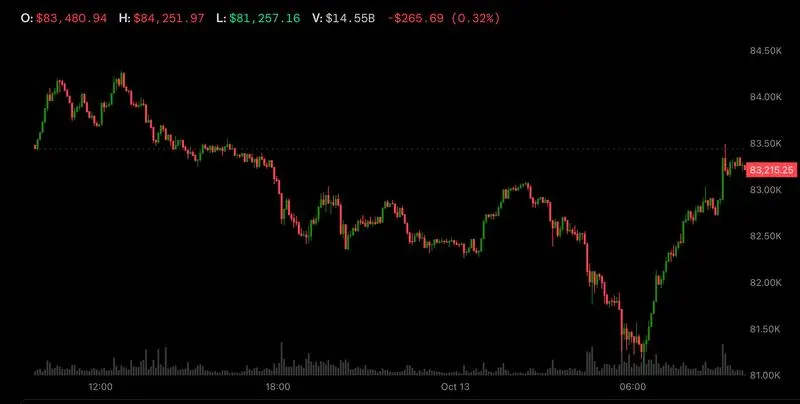
The geopolitical unrest is also impacting financial markets, especially digital assets. The U. S. Treasury Department recently froze over $130 million held in cryptocurrency wallets linked to Iran. This significant move reflects efforts to curb illicit financial flows and pressure the Iranian regime.
What Does This Mean for Regional Stability?
The freezing of these assets sends a clear message about the U. S. government's stance on financial sanctions. It also demonstrates the increasing scrutiny of cryptocurrency transactions in the context of international relations. Digital asset markets are proving to be sensitive to such geopolitical shifts.
The recent events in Kuwait and the financial actions taken by the U. S. Treasury suggest a deepening crisis. The interception of missiles and drones points to a direct threat to sovereign nations in the Gulf. This could lead to further military responses or increased defensive postures across the region.
The freezing of crypto assets adds another layer to the conflict, targeting Iran's financial capabilities. These combined pressures aim to de-escalate the situation, but they also risk further antagonizing the involved parties. The outlook for regional stability remains uncertain, with potential for broader implications.
Frequently Asked Questions
What types of projectiles were intercepted over Kuwait? Kuwait's military successfully shot down a combination of ballistic missiles, cruise missiles, and hostile drones. This indicates a multi-faceted attack or reconnaissance attempt.
How much Iranian-linked crypto was frozen by the U. S. Treasury? The U. S. Treasury Department froze over $130 million in cryptocurrency wallets that were identified as being linked to Iran. This action is part of broader sanctions efforts.
What is the significance of freezing crypto assets in this context? Freezing crypto assets is a modern tool for enforcing sanctions and disrupting financial networks. It shows that digital currencies are increasingly becoming targets in international economic warfare.