Legislative Roadblocks for Crypto Policy
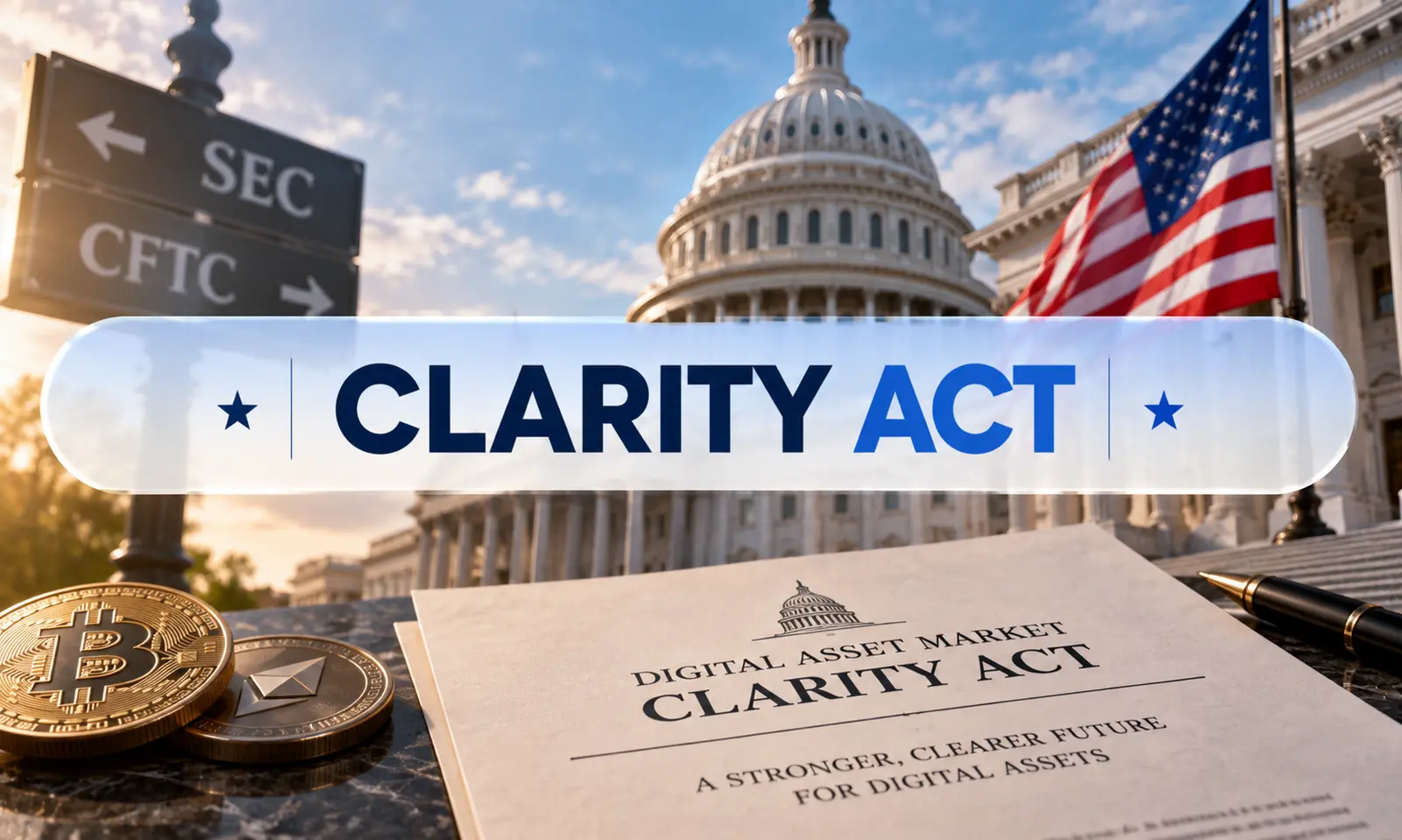
The crypto industry faces a significant period of uncertainty following recent congressional election outcomes. Analyst Ash Crypto suggests that the Democratic Party’s control of both legislative chambers could stall the CLARITY Act for at least two years. This shift in political power complicates the broader regulatory roadmap for digital assets in the United States.
Breaking news
 XRP Price Prediction: David Schwartz Clarifies 88% Sell-Off
 Meta’s AI Model Flags Imminent Bitcoin Reversal
 Bitcoin Slides for Seventh Straight Week, Marking Historic Losing Streak
 Bitcoin Dips on Huang’s Nvidia Exit, Rebounds 5% on His Return
The proposed legislation was intended to provide a clear framework for the burgeoning crypto sector. However, the current shift in Capitol Hill dynamics suggests that lawmakers may prioritize other agendas over digital asset oversight. This potential delay leaves market participants without the regulatory clarity they have been seeking to foster long-term growth and institutional investment.
The transition of power significantly alters the timeline for passing industry-specific bills. President Donald Trump’s previous initiatives regarding the digital economy now face a much steeper climb in a divided or opposition-led legislative environment. Analysts warn that the change in leadership effectively puts major regulatory reforms on ice for the foreseeable future.
Will Market Innovation Suffer Under Legislative Gridlock?
Beyond the CLARITY Act, the broader ecosystem remains in a state of limbo. Exchanges and stablecoin issuers are particularly vulnerable to this prolonged lack of federal guidance. Without established rules, these entities must continue operating in a gray area, which often deters mainstream adoption and increases compliance risks for major firms.
The lack of a unified regulatory approach could force companies to look toward more favorable jurisdictions abroad. If the United States fails to provide a legal structure for crypto, the domestic industry risks losing its competitive edge. Investors remain cautious as they await signals on whether bipartisan cooperation is possible in the coming session.
Frequently Asked Questions
The outlook for the next two years remains bleak for those hoping for rapid legislative progress. Industry leaders must now prepare for a prolonged period of lobbying and negotiation rather than immediate policy implementation. The focus will likely shift toward administrative actions rather than comprehensive congressional reform.
What is the primary reason for the potential delay of the CLARITY Act? The delay is attributed to the Democratic Party taking control of both houses of Congress. This shift in power makes it difficult for the previous administration's legislative priorities to gain traction.
How does this impact stablecoin issuers and exchanges? These entities face continued uncertainty due to the absence of federal regulations. Without clear laws, they must navigate complex compliance environments without a standardized legal framework.