How the Attack Unfolded
Binance, the world’s largest cryptocurrency exchange, is grappling with a security breach that may be the biggest in the industry’s history. Investigators estimate that hackers siphoned nearly $6 billion worth of digital assets from wallets linked to the platform. The theft, which began in early 2024, involved a range of tokens, including Bitcoin, Ethereum and XRP, and has sent shockwaves through the crypto market.
Breaking news
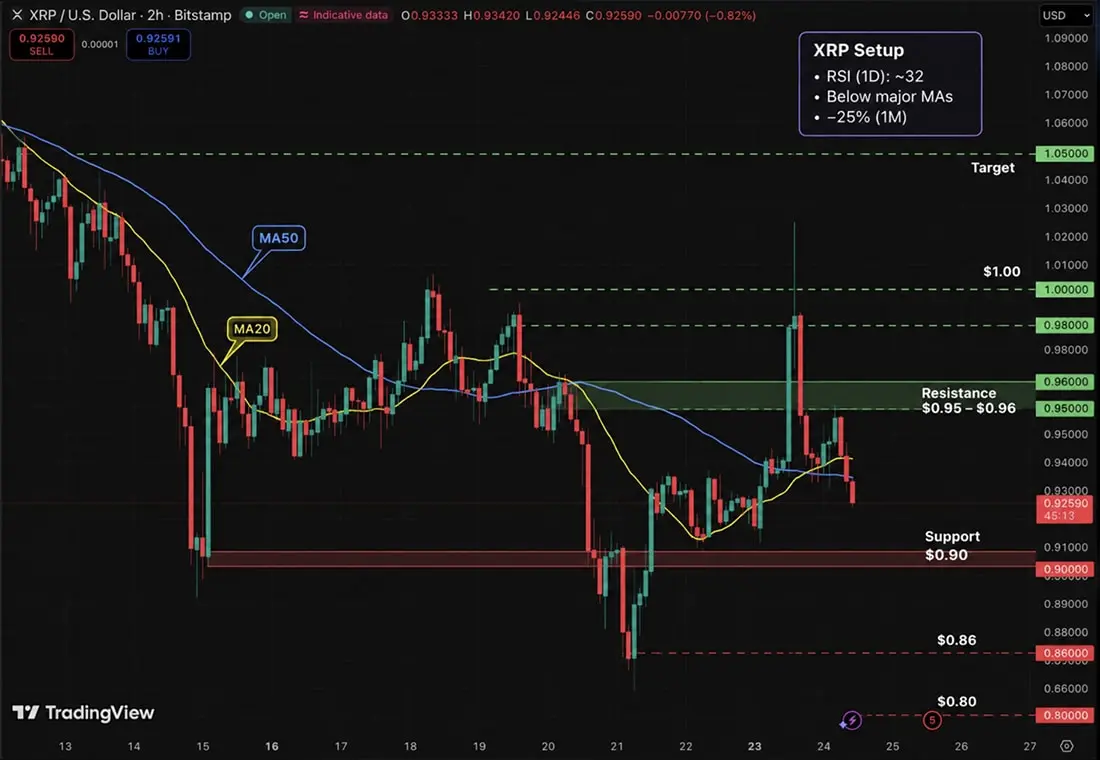 XRP Price Prediction: David Schwartz Clarifies 88% Sell-Off
 Meta’s AI Model Flags Imminent Bitcoin Reversal
 Bitcoin Slides for Seventh Straight Week, Marking Historic Losing Streak
 Bitcoin Dips on Huang’s Nvidia Exit, Rebounds 5% on His Return
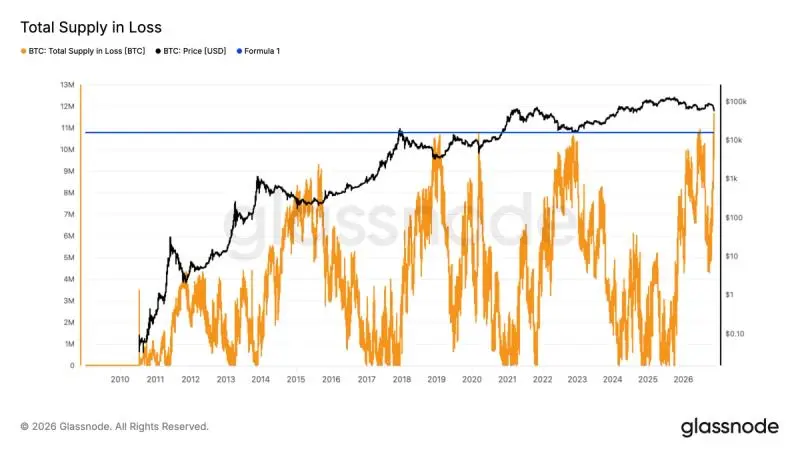
The breach was first flagged by blockchain analytics firm Glassnode, which identified a sudden outflow of $5.3 billion from Binance‑associated addresses. Subsequent forensic work revealed that the total value of stolen coins rose to $5.9 billion as more assets were traced. Analysts say the attackers exploited a sophisticated phishing scheme that compromised Binance’s internal security protocols, allowing them to move funds across multiple wallets without detection.
What Does This Mean for Users and the Market?
The hackers began by targeting Binance’s internal systems, gaining access to a vault that stored users’ private keys. Once inside, they transferred large sums of cryptocurrency to external wallets that were then rapidly moved through a network of mixers and exchanges. This laundering process made it difficult for regulators to trace the funds. Binance’s own security team confirmed that the breach involved a coordinated effort, with multiple attack vectors used to bypass the exchange’s multi‑factor authentication.
Experts note that the scale of the theft is unprecedented. Previous high‑profile hacks, such as the Mt. Gox collapse or the 2022 Poly Network incident, involved amounts in the hundreds of millions. The Binance case, however, surpasses those figures by a wide margin, raising questions about the robustness of security measures in the rapidly evolving crypto ecosystem.
Can Centralized Exchanges Be Trusted Going Forward?
Binance has suspended withdrawals and deposits across all assets to prevent further losses. The exchange is working with law enforcement and forensic teams to recover the stolen funds and identify the perpetrators. Meanwhile, the market has reacted with a sharp decline in major cryptocurrencies, as traders reassess the risk of holding assets on centralized platforms.
Users who had funds in Binance accounts are advised to monitor their balances closely and consider moving assets to hardware wallets or other custodial solutions. Regulators in several jurisdictions are reviewing Binance’s compliance framework, and some governments have issued warnings about the potential for future breaches.
Frequently Asked Questions
The incident has reignited debate over the safety of centralized cryptocurrency exchanges. Critics argue that the concentration of user funds in single points of failure makes these platforms inherently risky. Proponents of centralization counter that exchanges provide liquidity and user-friendly interfaces that decentralized alternatives lack. The debate is likely to intensify as regulators push for stricter oversight and as the industry seeks to balance security with accessibility.
In the coming weeks, Binance will release a detailed report on the breach and outline steps to strengthen its security infrastructure. The broader crypto community will be watching closely, as the outcome of this investigation could shape the future of digital asset trading.