Ripple’s Strategic Stake: Why the Insiders Bought
The U. S. Securities and Exchange Commission released a filing on Tuesday confirming that the newly listed XRP stock on Nasdaq is largely owned by Ripple co‑founder Chris Larsen, the company itself, and Japan’s SBI Holdings. The disclosure, part of a routine ownership report, indicates that these insiders collectively control a significant portion of the float, raising questions about market influence and regulatory scrutiny.
Breaking news
 CirBTC Borrowing on Morpho Surges Past $190 Million as USDC Liquidity Dries Up
 Trezor Ends Partnerships With Major Reseller Network After Ledger Security Incident
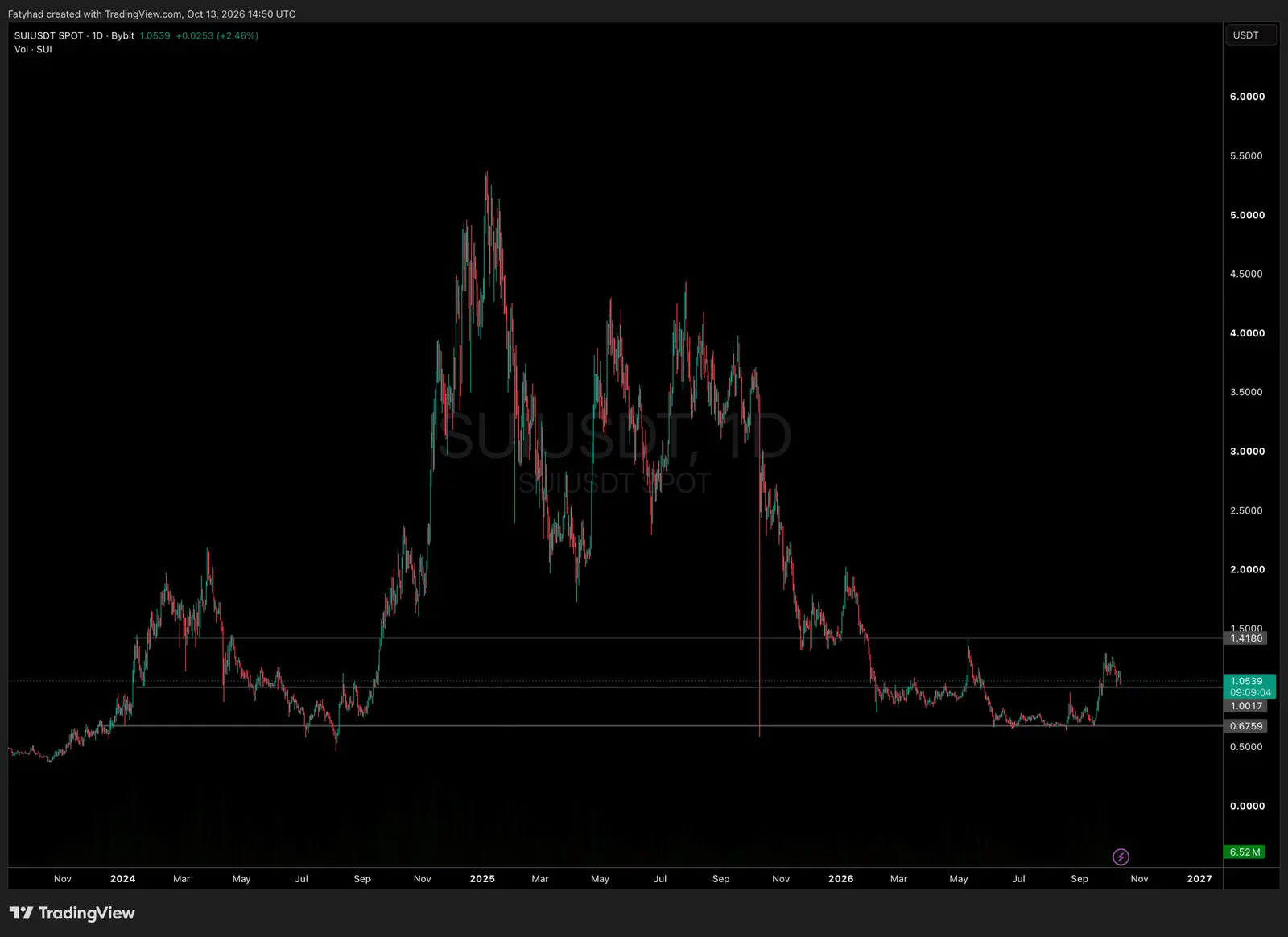 Sui Foundation Acquires Entire Blockchain Network for $30 Million
 KSD Builds Blockchain Hub to Power Korea’s 2027 Tokenization Drive
The filing, required under the Securities Exchange Act, details that Larsen holds roughly 12 percent of the outstanding shares, while Ripple’s corporate treasury accounts for an additional 8 percent. SBI Holdings, a major Japanese financial group and early backer of Ripple, owns about 5 percent. The SEC filing also notes that these positions were established before the stock’s debut on Nasdaq in early October, suggesting strategic positioning ahead of the public offering. Analysts say the concentration of ownership could affect liquidity and price stability, especially as XRP continues to navigate ongoing legal battles with the SEC.
Industry observers point to the timing of the purchases as a signal of confidence. „Holding a combined 25 percent of the float demonstrates a belief that XRP’s market value will rise as the legal uncertainties fade,” said fintech analyst Maya Patel. The filing shows that Larsen’s acquisition was made through a private placement at a discount to the opening price, a common practice for founders seeking to align interests with early investors. Ripple’s corporate stake, meanwhile, is tied to its broader strategy of integrating XRP into cross‑border payment solutions, a move that could boost demand for the token and, by extension, the stock. SBI Holdings’ involvement underscores the firm’s commitment to expanding its crypto services in Asia, where regulatory frameworks are gradually becoming more accommodating.
What Does This Ownership Structure Mean for Investors?
The concentration of shares among a few insiders may have several implications. First, it could limit the free float, making the stock more susceptible to price swings when large blocks are bought or sold. Second, the insiders’ voting power could shape corporate decisions, from board appointments to strategic partnerships, potentially steering the company toward initiatives that benefit their broader crypto holdings. Finally, the SEC’s heightened focus on XRP may lead to increased compliance costs, which could affect profitability. Investors are advised to monitor any changes in these holdings, as the SEC requires updates whenever an insider’s stake crosses certain thresholds.
Overall, the filing paints a picture of a tightly held asset that blends traditional equity with the volatile world of digital assets. As Ripple continues to fight its legal battles and expand its network, the stakes held by its insiders could either stabilize the stock through strong backing or amplify risk if market sentiment shifts sharply.
Frequently Asked Questions
Who are the primary owners of the Nasdaq‑listed XRP stock? Chris Larsen, Ripple’s corporate treasury, and SBI Holdings together own roughly a quarter of the outstanding shares, according to the SEC filing.
How might this ownership concentration affect the stock’s price? Limited free float can lead to higher volatility; large insider trades may cause noticeable price movements, and voting power could influence corporate strategy.
Will the SEC filing impact Ripple’s ongoing legal case? The filing itself is a routine disclosure, but it highlights the close ties between the company’s equity and its digital‑asset operations, which may attract further regulatory attention.