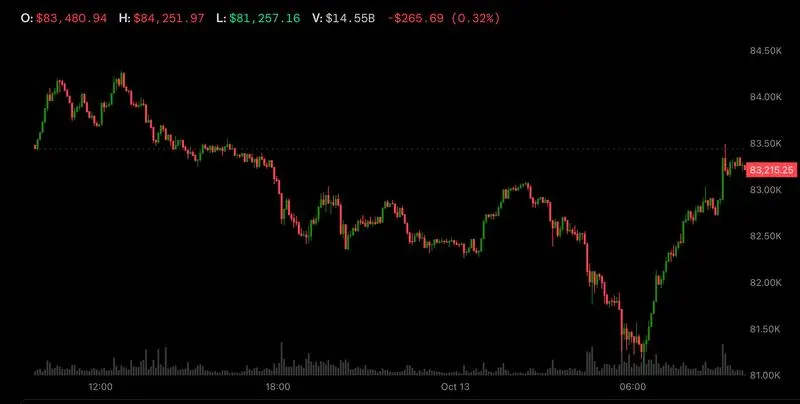
Geopolitical Instability and Market Reactions
Global markets are bracing for impact after a fragile ceasefire in the Middle East reportedly ended. This development, announced by Donald Trump to NATO leaders, has sent oil prices soaring. The renewed conflict threatens to worsen already persistent inflation, creating a challenging environment for cryptocurrencies like Bitcoin.
Breaking news
 Crypto Whale Moves $378 Million After Holding Through 2020 Crash
 BlackRock Ethereum ETF Sees Major Outflows as Investors Pull Back
 Hedge Funds Turn Their Attention to Crypto Markets, Says Binance Executive
 XRP Spot Trading Stalls Despite Recent Price Gains
The escalating geopolitical situation introduces significant uncertainty. Investors are closely watching how these events will influence central bank policies and consumer spending. The price of crude oil is a key driver of inflation worldwide, affecting everything from transportation costs to manufacturing expenses.
The reported end of the ceasefire between Iran and other parties marks a critical shift. Such instability in the oil-rich Middle East often leads to immediate price hikes. Higher oil prices can quickly translate into broader economic inflation, impacting various sectors globally. This creates a difficult scenario for assets sensitive to economic stability.
How Will This Affect Bitcoin's Value?
Bitcoin, often touted as an inflation hedge, faces a complex test. While some believe it can protect against rising prices, sustained high inflation can also lead to tighter monetary policies. Central banks might raise interest rates further to combat inflation, potentially making riskier assets like Bitcoin less attractive. The cryptocurrency's performance will depend on how investors weigh its inflation-hedging properties against the broader economic downturn.
The immediate outlook suggests continued volatility in financial markets. Bitcoin's path will likely be influenced by both the duration of the conflict and the global economic response to rising energy costs.
Frequently Asked Questions
What caused the recent surge in oil prices? Oil prices surged after reports confirmed the end of a ceasefire in the Middle East. This renewed geopolitical tension in a major oil-producing region typically leads to supply concerns and price increases.
How does rising oil impact inflation? Rising oil prices directly increase transportation and production costs across many industries. These higher costs are often passed on to consumers, leading to a general increase in prices for goods and services, which is known as inflation.
Why is this situation challenging for Bitcoin? While Bitcoin is sometimes seen as an inflation hedge, sustained high inflation can prompt central banks to raise interest rates. Higher interest rates can make traditional investments more appealing and reduce investor appetite for riskier assets like Bitcoin.