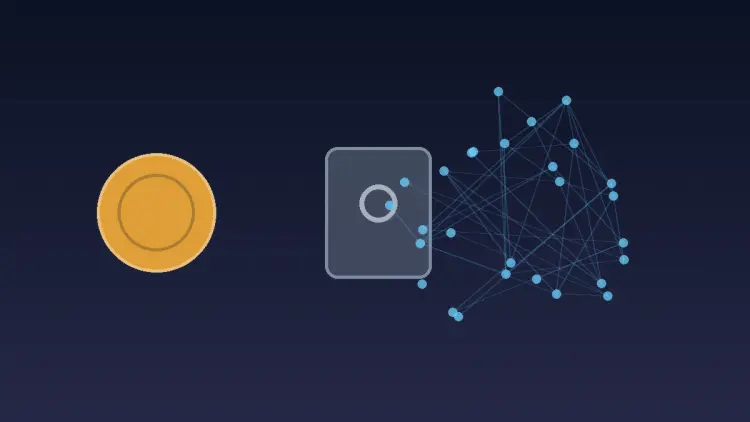
Token‑Based Payments: A New Era for Cross‑Border Transfers
Oracle has announced a partnership with the global financial messaging network Swift to embed its banking and blockchain infrastructure into Swift’s shared ledger. The collaboration aims to streamline cross‑border payments and enhance security for financial institutions worldwide. Oracle’s solution will allow banks to issue and manage digital tokens directly on Swift’s distributed ledger, reducing settlement times and lowering operational costs.
Breaking news
 Crypto News Site Faces Sale After Google Penalty
 Justin Drake urges crypto ‘bunker mode,’ as AI could break wallet security within months
 XRP Whale Withdrawals from Binance Hit Seven-Month Peak
 What is a euro-pegged stablecoin?
The integration builds on Oracle’s existing blockchain platform, which supports smart contracts and secure data sharing. By leveraging Swift’s established network of more than 11,000 financial institutions, Oracle can provide a unified token‑based payment system that is interoperable across borders. The move is expected to accelerate the adoption of digital currencies in traditional banking, offering a more efficient alternative to legacy SWIFT messages.
Banks participating in the partnership will be able to create, issue, and settle tokenized assets on Swift’s ledger. This process eliminates the need for multiple intermediaries and reduces the time required to settle transactions from days to minutes. Oracle’s technology ensures that each token is backed by real‑world assets, providing transparency and auditability. The shared ledger also offers built‑in compliance checks, helping institutions meet regulatory requirements without manual intervention.
Will This Shift Reduce Fraud and Improve Transparency?
Financial analysts predict that the token‑based approach could cut cross‑border transaction costs by up to 30%. The partnership also aligns with global initiatives to promote digital finance and improve financial inclusion. By making it easier for banks to issue digital currencies, Oracle and Swift are positioning themselves at the forefront of the evolving payments landscape.
The new system’s immutable record keeps a tamper‑proof trail of every transaction. This feature is expected to reduce fraud and enhance traceability for regulators. Oracle’s blockchain framework includes identity verification tools that ensure only authorized parties can issue tokens. Swift’s existing security protocols further protect the network from cyber threats. Together, these measures create a robust environment for secure digital payments.
Banks that adopt the platform will also benefit from real‑time settlement visibility. Managers can monitor the status of payments instantly, reducing the need for manual reconciliation. This transparency is particularly valuable for large multinational corporations that rely on timely cash flow for operations.
Frequently Asked Questions
What types of tokens can banks issue on Swift’s ledger? Banks can issue asset‑backed tokens, stablecoins, or other digital representations of real‑world assets, all governed by smart contracts.
Will existing SWIFT infrastructure be affected? No. The integration works alongside current SWIFT messaging, adding a new layer for token transactions without disrupting legacy systems.
How will regulatory compliance be maintained? Oracle’s platform incorporates built‑in compliance checks, and Swift’s established regulatory framework ensures that all token activities meet global standards.