
How Does a Loss‑Funded Venue Operate?
A newly launched loss‑funded trading platform, known simply as Papertrade, recorded a staggering $32.4 million in trader losses within two days of opening. The venue also generated more revenue than its competitors Pump.fun and Hyperliquid in the latest shared full‑day data, while its house pool held roughly $4.27 million.
Breaking news
 ASIC consults on updated CFD safeguards for digital assets, deadline November 9, 2026
 Strategy Buys 250 Bitcoin, Sells Shares to Fund Purchase
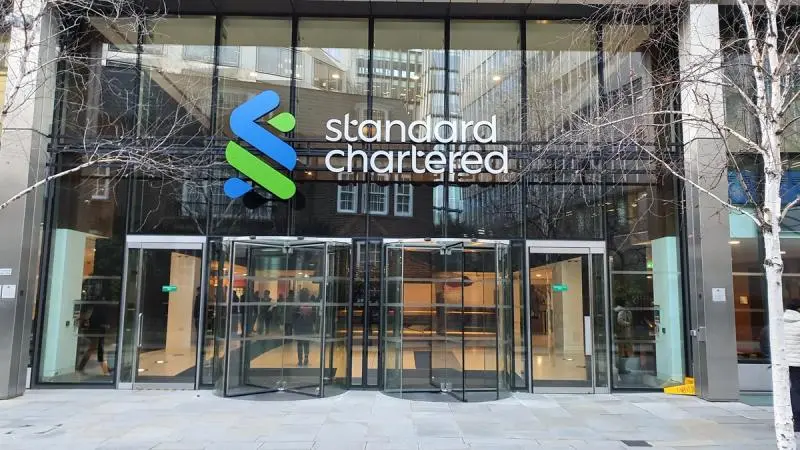 Standard Chartered Announces RLUSD Custody Services in Dubai and Explores LMAX Collateral Integration
 Hyperliquid Trader Gains $20 Million by Shorting Major Cryptos While Going Long on NEAR
The platform’s rapid rise in losses came despite a modest user base. Early reports indicate that the venue’s revenue surpassed that of Pump.fun and Hyperliquid, suggesting that traders were actively engaging with the loss‑funded model. The house pool, which collects a portion of trading fees, reached $4.27 million, reflecting a significant influx of capital into the system.
Why Are Losses So High So Quickly?
Loss‑funded markets allow traders to trade with capital that the venue provides, rather than their own. Traders receive a set amount of money to trade, and if they lose, the venue absorbs the loss. This model is designed to attract high‑risk traders who are willing to gamble with borrowed funds. In Papertrade’s case, the platform’s revenue stream comes from fees charged on each trade, while the loss pool is replenished by traders who win. The recent data shows that the venue’s revenue exceeded that of similar platforms, indicating a higher trading volume or larger fee structure.
What Does This Mean for Traders and the Market?
The $32.4 million loss figure reflects the aggressive risk appetite of the traders on Papertrade. Since the platform’s launch, users have been engaging in high‑leverage trades that can quickly accumulate large losses. The loss‑funded model encourages traders to take on more risk, knowing that the venue will cover their losses. This dynamic creates a feedback loop where larger losses can lead to higher fees for the venue, boosting its revenue. However, the rapid accumulation of losses raises concerns about market stability and the sustainability of the loss‑funded model.
Frequently Asked Questions
The surge in losses and revenue highlights the double‑edged nature of loss‑funded trading. On one hand, the model offers traders access to significant capital without upfront investment. On the other, it exposes the venue to substantial financial risk if many traders lose large sums simultaneously. Market participants are watching closely to see whether Papertrade can maintain its liquidity and continue to attract traders while managing the risk of large, clustered losses.
In the coming weeks, regulators and investors will likely scrutinize the platform’s risk management protocols. If the venue can demonstrate robust controls, it may attract more traders and solidify its position in the competitive landscape. Conversely, if losses continue to mount, the platform could face liquidity crunches or regulatory intervention.