Staking Tokens Under the Lens
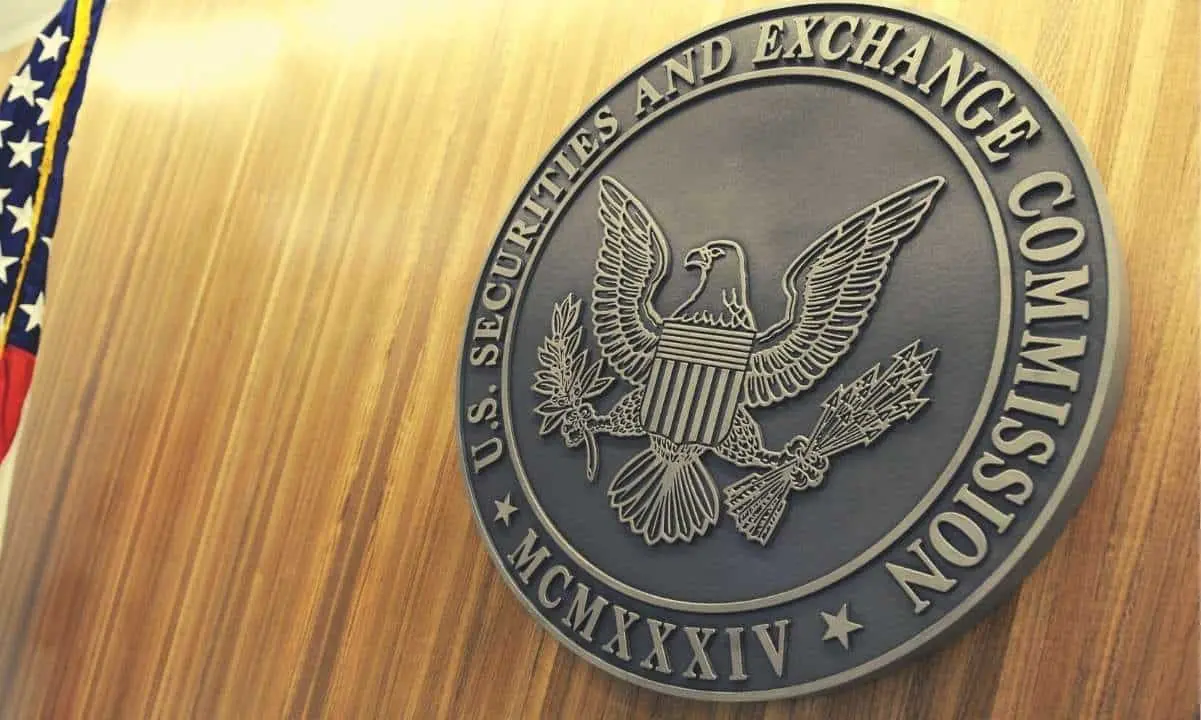
In early May, the Securities and Exchange Commission issued a new set of FAQs that clarify how staking tokens, token buybacks, and the Howey test apply to digital assets. The guidance is aimed at reducing uncertainty for issuers, investors, and regulators in a rapidly evolving market.
Breaking news
 Crypto News Site Faces Sale After Google Penalty
 Justin Drake urges crypto ‘bunker mode,’ as AI could break wallet security within months
 XRP Whale Withdrawals from Binance Hit Seven-Month Peak
 What is a euro-pegged stablecoin?
The FAQs respond to a surge in crypto activity and the growing number of projects that use staking and token buybacks as part of their business models. The agency reiterates that the Howey test remains the benchmark for determining whether a digital asset is a security. It also explains that staking rewards can trigger securities law if they represent a share of future profits, and that buybacks may require reporting under existing corporate disclosure rules.
Token Buybacks and Reporting Requirements
The SEC notes that staking can create a security if holders receive a share of the underlying asset’s value. If rewards are paid in the same token, the token may be classified as a security. If rewards are paid in a different asset, the token could be exempt. The presence of a smart contract does not alter the classification. The agency emphasizes that the economic reality of the arrangement matters more than the technical details of the blockchain.
The new FAQs address token buybacks, stating that a company that purchases its own tokens may be required to file a Form 10‑K or other reports. The guidance explains that buybacks are considered „events” that can trigger disclosure obligations. Companies must disclose the purpose of the buyback, the amount of tokens purchased, and the impact on shareholders. The SEC warns that failure to report can result in enforcement action.
How the Howey Test Still Governs Digital Assets
The Howey test remains the standard for determining whether a digital asset is a security. The test looks at whether there is an investment of money, a common enterprise, and the expectation of profits derived from the efforts of others. The SEC’s FAQs confirm that the test applies to staking, token sales, and other crypto offerings. Projects that do not meet the test may be exempt, but they must still comply with other regulatory requirements such as anti‑money‑laundering rules.
Frequently Asked Questions
The guidance also clarifies that a token’s classification can change over time. A token that is not a security at launch may become one if its use or distribution model changes. Companies must monitor their projects for potential shifts in regulatory status.
The new guidance is expected to bring more clarity to the crypto market. By outlining the conditions under which staking and buybacks trigger securities law, the SEC aims to reduce legal uncertainty and protect investors. However, the guidance also signals that crypto projects must remain vigilant about compliance. Firms that do not follow the rules may face enforcement actions, fines, or other penalties.