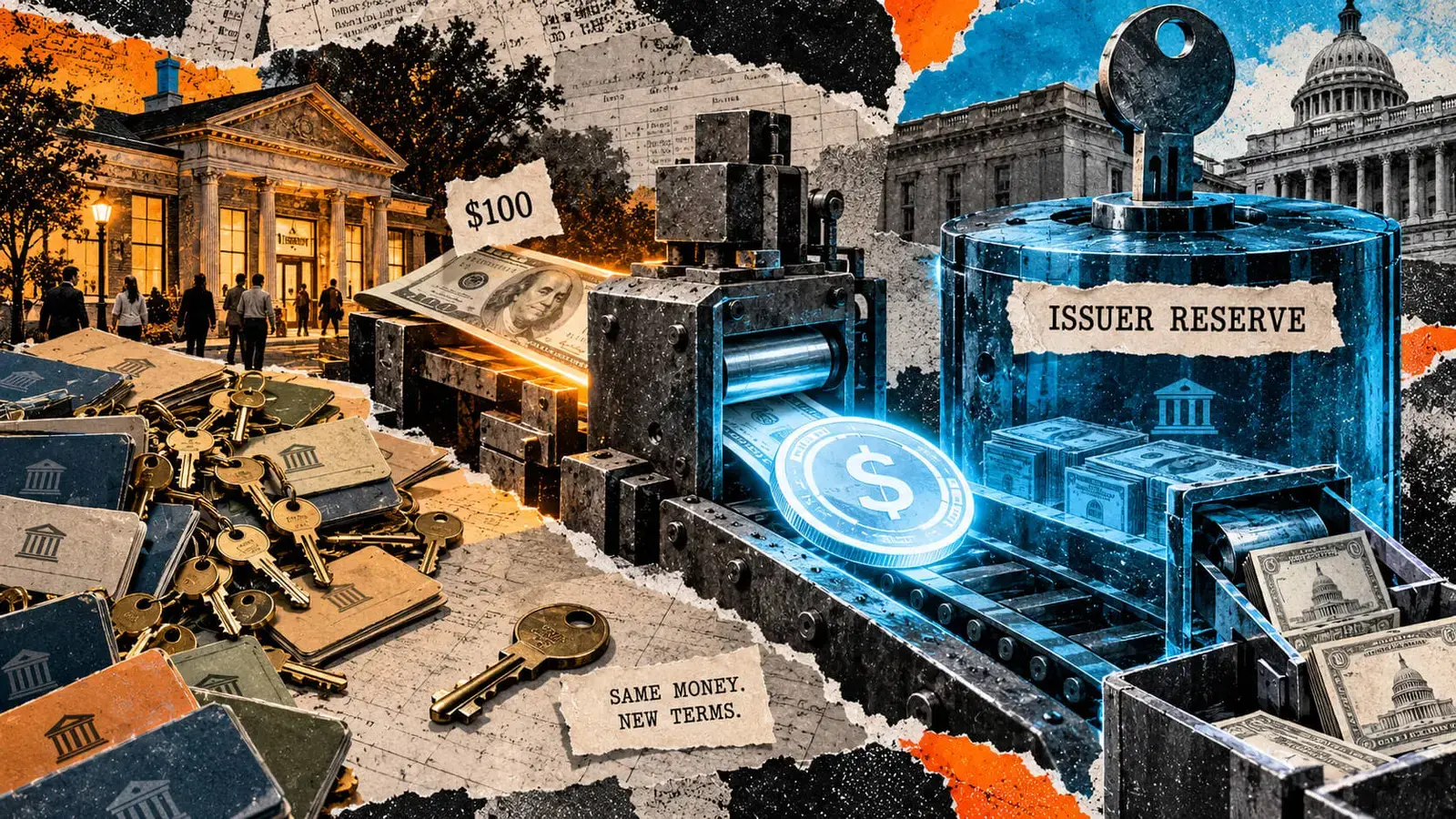
The Shift in Capital Allocation
Stablecoins are digital assets pegged to traditional currencies like the U. S. dollar. When investors purchase these tokens, they often move capital from traditional bank accounts into private digital reserves. While this shift does not necessarily drain total liquidity from the banking system, it creates complex new challenges for credit availability.
Breaking news
 Bitcoin Security Could Be Threatened by 2046, AI Model Indicates
 XRP Ledger Patches Critical Bug That Could Have Minted 18 Trillion Tokens
 Aptos Launches AI Tools to Simplify Move Programming
 Regulatory Reach: CFTC Says It Can Oversight Nearly All Commodities
When a user buys stablecoins, their original dollars move to a commercial bank account held by the issuer. The issuer then records a digital balance on a blockchain. While the money remains within the banking sector, it changes ownership and purpose. This transition alters how banks manage their deposits and lending operations.
Banks rely on stable, low-cost deposits to fund loans for businesses and households. When capital migrates toward stablecoin reserves, the nature of those deposits changes. These funds often become more concentrated and volatile. Banks may find it harder to rely on these deposits for long-term lending projects.
Will Digital Assets Constrain Future Lending?
If banks perceive these deposits as less reliable, they may demand higher interest rates to offset the risk. This adjustment ripples through the economy. Borrowers could soon face higher costs for mortgages, auto loans, and business lines of credit. The movement of money into digital assets effectively shifts the cost of capital.
The primary concern is not a lack of dollars, but the changing efficiency of financial intermediation. As stablecoin issuers become major holders of bank deposits, they gain significant influence over liquidity. Banks must adjust their balance sheets to accommodate these massive, potentially fleeting accounts.
Frequently Asked Questions
This structural change could lead to a tighter credit market. If banks must hold more cash to cover potential redemptions from stablecoin issuers, they have less to lend. While the banking system remains stable, the cost of borrowing may rise as a direct result of these digital shifts.
Do stablecoins remove money from the banking system? No, the dollars typically remain in bank accounts held by the issuers. However, the movement changes how banks manage their liquidity and lending capacity.
Why would borrowing become more expensive? Banks may raise interest rates if they view stablecoin-related deposits as less stable. This adjustment helps them manage the risks associated with large, volatile account balances.