How THORChain’s Architecture Limits Intervention
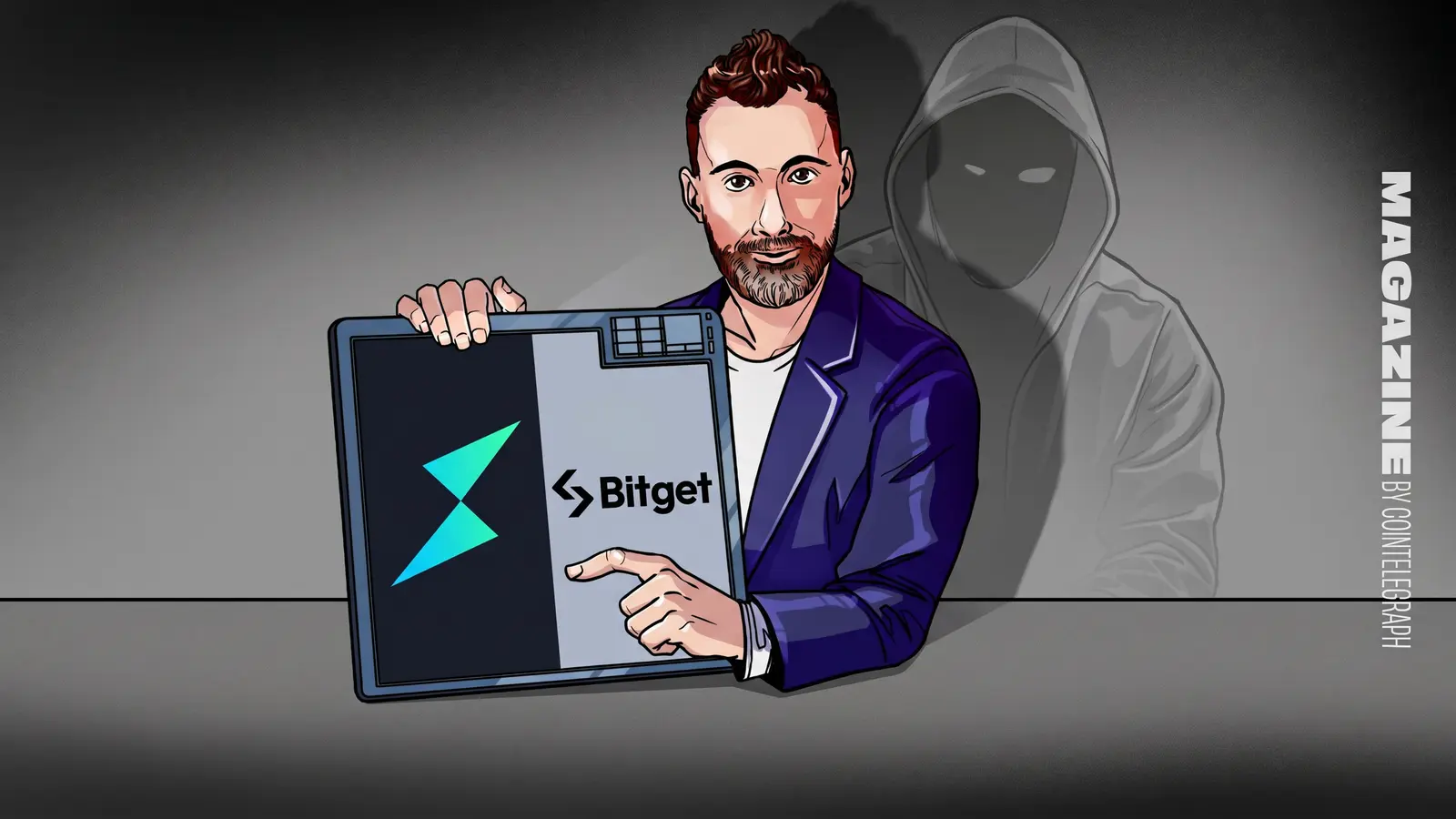
The decentralized exchange THORChain is under scrutiny after it announced it cannot or will not block wallet addresses tied to the $387.5 million theft from cryptocurrency exchange Bitget. The hack, which occurred earlier this year, saw attackers move stolen assets through multiple chains, landing on THORChain’s cross‑chain liquidity pools. Regulators and victims are now questioning whether the platform’s developers could be held criminally liable for enabling the flow of illicit funds.
Breaking news
 Fitch says power, not chips, will decide Taiwan’s AI data centre growth
 Vitalik Buterin Warns AI Could Break Crypto Math Sooner Than Quantum Computers
 Justin Drake Calls for „Bunker Mode” Migration to New Crypto Addresses
 XRP Eyes $2 Breakout, Analyst Highlights Key Resistance
THORChain’s protocol is designed to allow seamless swaps across blockchains without a central authority. When the Bitget breach was uncovered, investigators traced a portion of the loot to addresses that interacted with THORChain’s smart contracts. The network’s operators responded that the code is immutable and that they lack the technical means to freeze or blacklist specific accounts. Critics argue that this hands‑off approach may violate anti‑money‑laundering (AML) obligations and could expose the developers to prosecution under emerging crypto‑specific legislation.
THORChain operates on a permission‑less model where anyone can deposit assets into its liquidity pools. Once funds are on the chain, they become indistinguishable from legitimate tokens, making retroactive blocking technically impossible without rewriting core contracts. „The protocol was built to be trustless and immutable,” said a spokesperson for THORChain. „We cannot single out addresses without compromising the entire network’s security.”
Could Developers Be Prosecuted for Enabling Money Laundering?
Legal experts note that while decentralization offers resilience, it also creates a gray area for compliance. In jurisdictions that have enacted strict AML rules for crypto service providers, the inability to intervene could be interpreted as willful neglect. „If a platform knowingly facilitates the laundering of stolen crypto, prosecutors may argue that the developers are complicit,” explained Lina Morales, a blockchain lawyer based in London.
The question of criminal liability hinges on whether THORChain’s creators can be deemed „operators” under the law. Some regulators treat the maintainers of open‑source code as service providers, subject to the same reporting duties as exchanges. Others argue that the lack of a central entity shields them from direct accountability. Recent cases in the United States and the European Union have seen developers charged when they failed to implement reasonable safeguards against illicit activity.
THORChain’s community has responded with mixed feelings. Some members insist that imposing legal duties would undermine the ethos of decentralization. Others call for a governance upgrade that would allow emergency measures, such as temporary freezes, without sacrificing core principles. The debate highlights a broader tension between innovation and regulatory compliance in the rapidly evolving crypto space.
What Are the Potential Consequences for THORChain and Its Users?
If authorities decide to pursue charges, THORChain could face fines, forced code changes, or even a shutdown order in certain jurisdictions. Such actions would likely erode user confidence and could trigger a mass withdrawal of liquidity, destabilizing the platform’s token economics. Conversely, a clear regulatory framework might push THORChain to adopt on‑chain compliance tools, potentially attracting institutional participants seeking safer cross‑chain solutions.
The outcome will set a precedent for how decentralized protocols are treated under future crypto legislation. Stakeholders across the industry are watching closely, as the decision could reshape the balance between open‑source freedom and legal responsibility.
Frequently Asked Questions
Is THORChain legally required to block illicit addresses? Currently, most jurisdictions have not defined a clear duty for decentralized protocols, but emerging laws may impose such obligations if the platform is deemed a service provider.
Can the stolen Bitget funds be recovered through THORChain? Recovery is unlikely because the assets have been mixed with legitimate liquidity, and the protocol lacks mechanisms to isolate or revert transactions.
What steps can THORChain take to avoid future legal trouble? Developers could implement optional governance modules that enable emergency freezes, adopt on‑chain AML filters, or collaborate with regulators to define compliance standards without compromising decentralization.