
Crypto and Traditional Finance Hit Simultaneously
Bithumb, Daishin Securities, and Mirae Asset Global Investments revealed hacking incidents on Wednesday, October 28. The trio of firms spans crypto and traditional finance. Regulators are pressing operators to audit for PHP vulnerabilities. The disclosures come as South Korea tightens cybersecurity oversight across the sector.
Breaking news
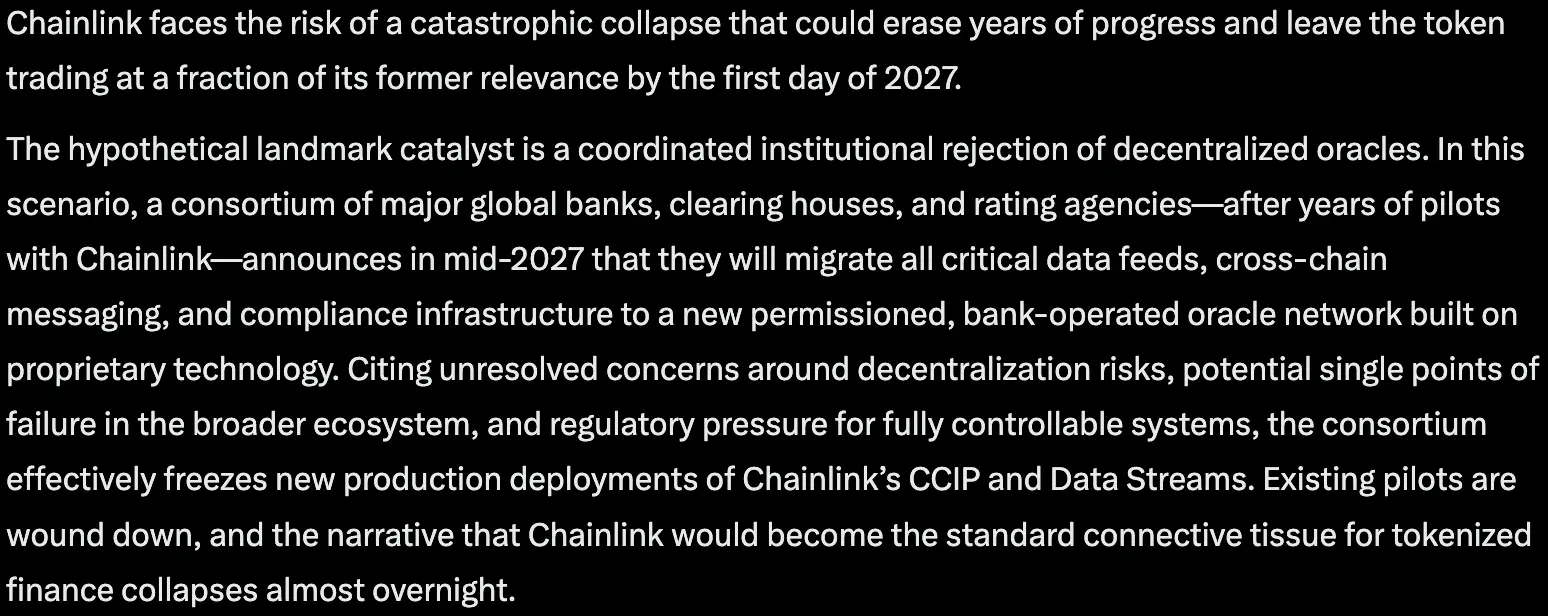 Claude AI Forecasts Chainlink Plunge in 2027
 XRP Crashes to $0.87 as ETF Assets Fall Below $1 Billion
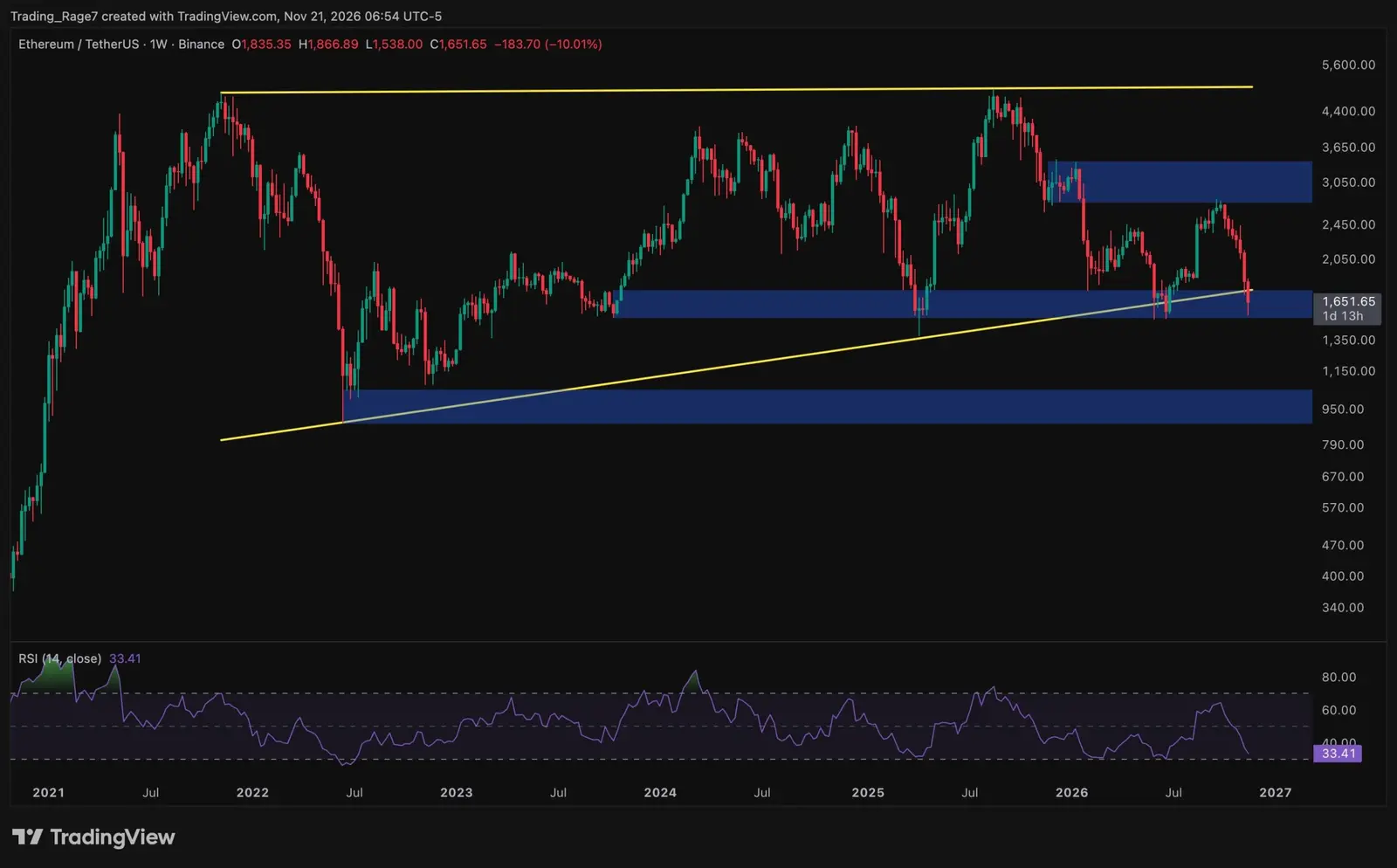 Ethereum price analysis: Did ETH hit its macro bottom after a 30% monthly drop?
 Bitcoin Reclaims $60,000 After Sharp Summer Selloff
The breaches expose a growing threat landscape for Korean financial institutions. Attackers exploited weaknesses in web application code. Regulators demanded that operators verify their systems against known PHP flaws. This regulatory push signals a shift toward proactive security testing.
Bithumb operates a cryptocurrency exchange, making its breach particularly sensitive. Daishin Securities handles traditional brokerage services. Mirae Asset Global Investments manages asset portfolios. The simultaneous disclosures suggest a coordinated or systemic vulnerability. Regulators want to confirm whether the same PHP flaw affected all three firms.
What Do Regulators Expect From Affected Firms?
Regulators expect full incident reports within a set deadline. Firms must disclose the scope of compromised data. They must also outline remediation steps. The PHP audit requirement targets a specific class of web vulnerabilities. This approach aims to prevent repeat incidents.
The breaches force a broader review of cybersecurity practices. South Korean regulators are using this incident to push sector-wide PHP audits. Firms that fail to comply face potential penalties. The market reaction remains cautious as investors assess the long-term impact on trust.
Frequently Asked Questions
Which three firms disclosed the breaches? Bithumb, Daishin Securities, and Mirae Asset Global Investments all reported hacking incidents on October 28.
Why are regulators focusing on PHP vulnerabilities? Regulators identified PHP flaws as a likely attack vector. They are requiring operators to audit their systems for these specific weaknesses.
What happens if firms fail to comply with the audit? Firms that do not complete the PHP audit may face regulatory penalties. Compliance is mandatory for all affected operators.