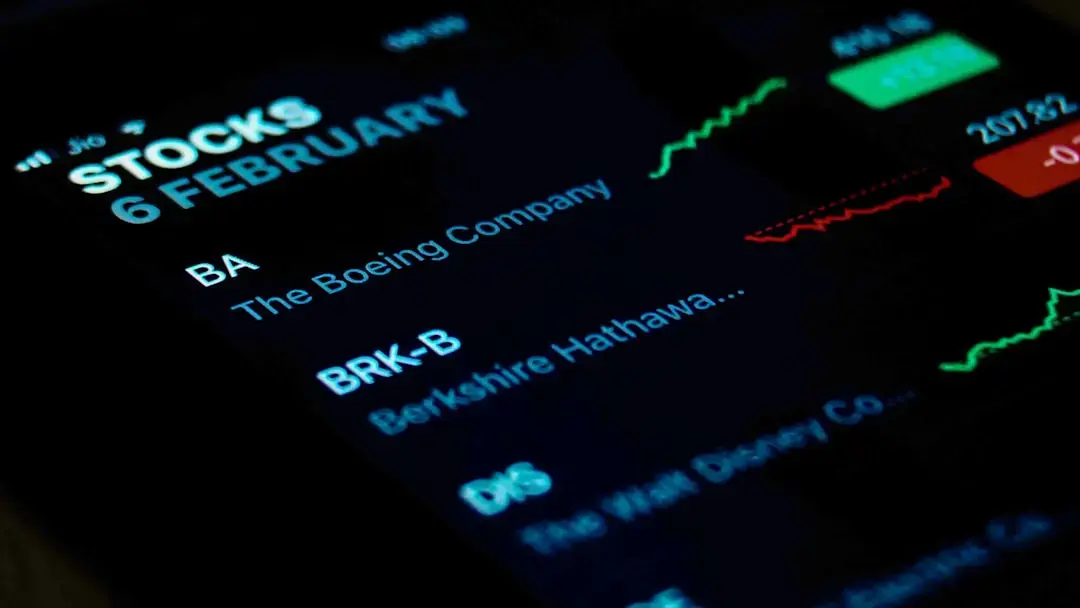
The Resilience Factor: Beyond Smooth Sailing
Trading platforms appear reliable during stable conditions. Prices flow smoothly, costs remain consistent, and trades execute easily. However, real challenges emerge when markets become volatile, testing a broker’s true capabilities. This scrutiny is particularly relevant as we move toward 2026.
Breaking news
 Standard Chartered Launches Crypto Trading Desks in UAE Following Ripple's XRP Strategy Shift
 Bitcoin Mining Profitability Faces Sharp Decline After Upcoming Difficulty Adjustment
 Evernorth Targets Institutional Growth Through XRP Ledger Integration
 Qivalis Secures Dutch EMI License for Euro Stablecoin
A platform’s strength isn’t simply about handling normal trading volumes. It’s about resilience during unexpected events. Geopolitical crises, sudden price spikes in commodities like gold or oil, and massive order surges all create intense pressure. These moments reveal which brokers can maintain functionality and reliability.
Many brokers boast impressive technology. They highlight fast execution speeds and low spreads. But these metrics often reflect performance in ideal scenarios. True differentiation lies in a broker’s ability to withstand extreme market stress without faltering. This means maintaining order execution, stable pricing, and consistent platform performance even when systems are overloaded.
Can Brokers Truly Prepare for the Unexpected?
The ability to scale infrastructure is critical. Brokers must have the capacity to handle significantly increased trading volumes. This requires robust technology, efficient order routing, and proactive risk management. A failure to scale can lead to order delays, rejections, or even platform outages, potentially costing traders significant money.
Predicting specific market shocks is impossible. However, serious brokers prepare by stress-testing their systems. They simulate high-volume trading scenarios and potential disruptions. This helps identify vulnerabilities and refine their infrastructure. It also allows them to optimize order processing and ensure sufficient capacity.
Furthermore, robust risk management protocols are essential. Brokers must have systems in place to monitor market conditions and automatically adjust parameters. This can include temporarily widening spreads or slowing down order execution to prevent system overload. These measures, while potentially impacting traders, are necessary to protect the overall stability of the platform.
Frequently Asked Questions
The consequences of a broker failing this test are severe. Loss of client trust is paramount. Traders will quickly abandon platforms that prove unreliable during critical moments. Regulatory scrutiny and potential fines also loom large. Ultimately, only brokers who prioritize resilience and scalability will thrive in the long run. The coming years will clearly demonstrate which firms have truly invested in building robust and dependable trading infrastructure.
What defines a truly resilient trading platform? It’s not just speed or low costs. A resilient platform maintains functionality and consistent performance during periods of extreme market volatility and high trading volumes. Scalability and robust risk management are key.
How do brokers stress-test their systems? This helps identify weaknesses and allows them to optimize order processing and ensure sufficient capacity before real events occur.