Why the Treasury’s Bitcoin Move Faces a Regulatory Snag
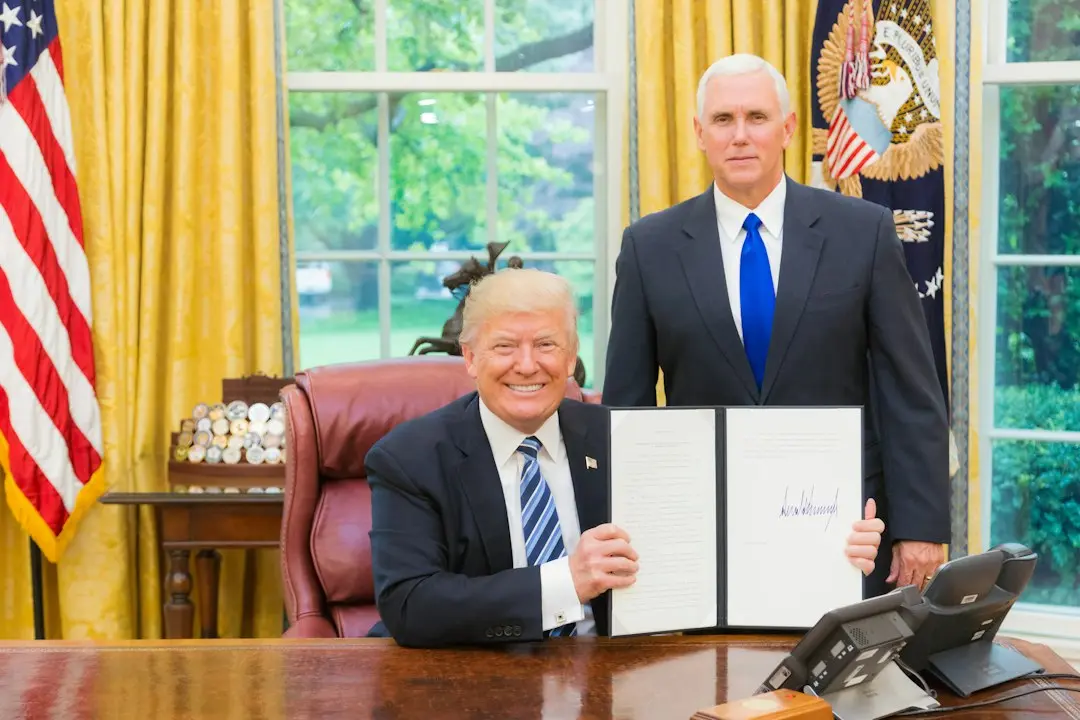
Former White House crypto adviser Patrick Witt revealed that former President Donald Trump remains keen to acquire Bitcoin for a proposed U. S. Strategic Bitcoin Reserve. The initiative, intended to bolster national financial resilience, encounters a significant legal hurdle: open‑market purchases of the cryptocurrency may violate federal securities regulations.
Breaking news
 Bitcoin ETFs Shed $570M as Blackrock Sees $1.6B in Three-Day Exodus
 Junk Bond Yields Spike as Bitcoin ETFs See $570M Outflow
 XRP Price Prediction: David Schwartz Clarifies 88% Sell-Off
 Meta’s AI Model Flags Imminent Bitcoin Reversal
The plan would involve the Treasury acquiring Bitcoin through public markets, creating a sovereign digital asset pool. However, the Securities and Exchange Commission has warned that such transactions could be deemed securities sales, requiring registration or exemption. Trump’s interest surfaced during a recent interview with a national news outlet, where Witt emphasized the administration’s long‑standing support for digital assets.
Can a Strategic Bitcoin Reserve Be Established Without Violating the SEC?
The Treasury’s proposal would mirror the U. S. Treasury’s past acquisition of gold and silver, but Bitcoin’s classification as a security complicates matters. According to the SEC, the „Howey Test” applies to Bitcoin, meaning any sale or purchase could trigger securities laws. The Treasury would need to secure an exemption or alter the regulatory framework, a process that could take years. Witt noted that the current legal environment is „unfavorable” for open‑market purchases, and any misstep could invite enforcement action.
Trump’s enthusiasm for the reserve stems from his broader agenda to modernize the U. S. financial system. He has repeatedly cited Bitcoin’s potential to hedge against inflation and provide a digital alternative to traditional reserves. Yet, the Treasury must balance this vision with compliance obligations. Witt added that the administration is exploring private‑market avenues, but those too face scrutiny under the same securities statutes.
Frequently Asked Questions
The question remains whether the Treasury can craft a legal pathway to acquire Bitcoin. Some experts suggest structuring the purchases as a „strategic reserve” under a new regulatory framework, potentially exempting them from standard securities rules. Others argue that any acquisition would still fall under the SEC’s jurisdiction unless Congress intervenes. Trump’s team is reportedly consulting with legal counsel to assess the feasibility of a legislative solution. If successful, the reserve could serve as a buffer during economic crises, but the timeline for approval remains uncertain.
The potential impact on the cryptocurrency market is significant. A sovereign Bitcoin reserve could legitimize the asset further, driving institutional demand and price stability. Conversely, a regulatory setback could stall the initiative, leaving the U. S. behind other nations that have already integrated digital assets into their reserves. The outcome will hinge on the Treasury’s ability to navigate the complex securities landscape and secure congressional support.