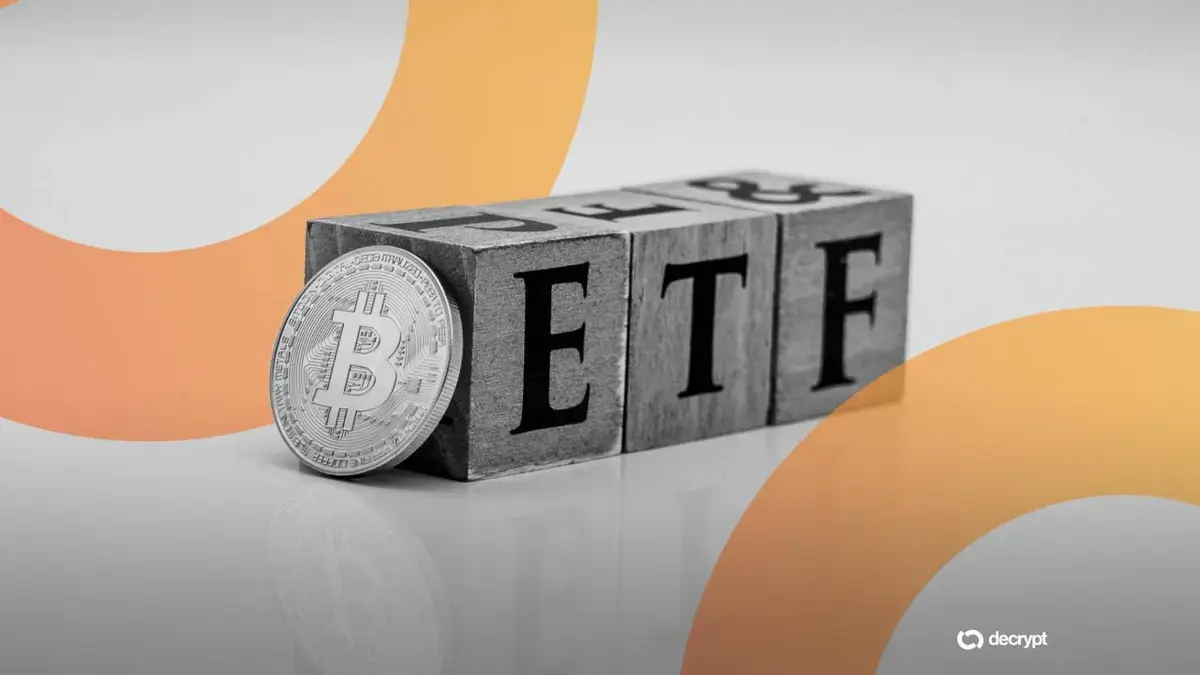
Decoding the ETF Inflow Puzzle
Bitcoin exchange-traded funds (ETFs) have experienced nine consecutive days of positive investment. This influx totals $2.1 billion. The trend began recently, but doesn’t necessarily signal strong, long-term bullish sentiment. Data indicates a complex market dynamic at play.
Breaking news
 Hyperliquid Trader Gains $20 Million by Shorting Major Cryptos While Going Long on NEAR
 Digital Asset Oversight: EU Tightens Rules on Stablecoins and Market Conduct
 Ethereum Foundation Cashes Out $11 Million on Kraken Amid Market Upswing
 Bitcoin Traders Brace for CPI and 4 Other Key Events This Week
These inflows represent the longest such streak since September. However, analysts caution against interpreting this solely as enthusiastic investor confidence. Market data reveals a nuanced picture. Short liquidations have exceeded long positions by nearly $1 billion since April 13, according to CoinGlass. This suggests strategic trading, rather than widespread belief in Bitcoin’s price increase.
The current ETF activity isn't simply about individuals rushing to buy Bitcoin. Many investors are employing market-neutral strategies. These strategies aim to profit from price differences, regardless of overall market direction. They don’t necessarily reflect a fundamental belief in Bitcoin’s future value. This means funds are flowing into the ETFs, but not necessarily driven by conviction in Bitcoin itself.
Is This a Sustainable Trend?
This distinction is crucial. A true bullish signal would involve sustained demand from investors seeking long-term exposure to Bitcoin. Instead, the recent inflows appear linked to sophisticated trading tactics. These tactics capitalize on short-term market opportunities. The imbalance between short and long liquidations further supports this assessment. It highlights a preference for betting against the market, even while participating in ETF flows.
The question remains: can this ETF inflow momentum continue? The answer likely depends on a shift in investor behavior. If market-neutral strategies dominate, the inflows could plateau or even reverse. A genuine surge in long-term Bitcoin investment is needed for sustained growth. Currently, the data suggests a more tactical, rather than strategic, approach.
Frequently Asked Questions
The combination of ETF inflows and short liquidations creates an interesting dynamic. It shows investors are actively engaging with Bitcoin, but with varying intentions. This complex interplay could lead to increased volatility. It also underscores the importance of carefully analyzing market data beyond simple inflow numbers. The future direction of Bitcoin ETFs will depend on whether demand evolves beyond these short-term trading patterns.
What does „market-neutral” investing mean? Market-neutral strategies attempt to generate returns regardless of market direction. They involve taking offsetting positions, minimizing exposure to overall market risk. This allows investors to profit from price discrepancies without relying on a bull or bear market.
Why are short liquidations higher than long liquidations? Higher short liquidations suggest more traders are closing out short positions. This often happens when an asset's price unexpectedly rises. It indicates a covering of bets against the asset, potentially driven by the ETF inflows.