Rethinking Reserve Assets
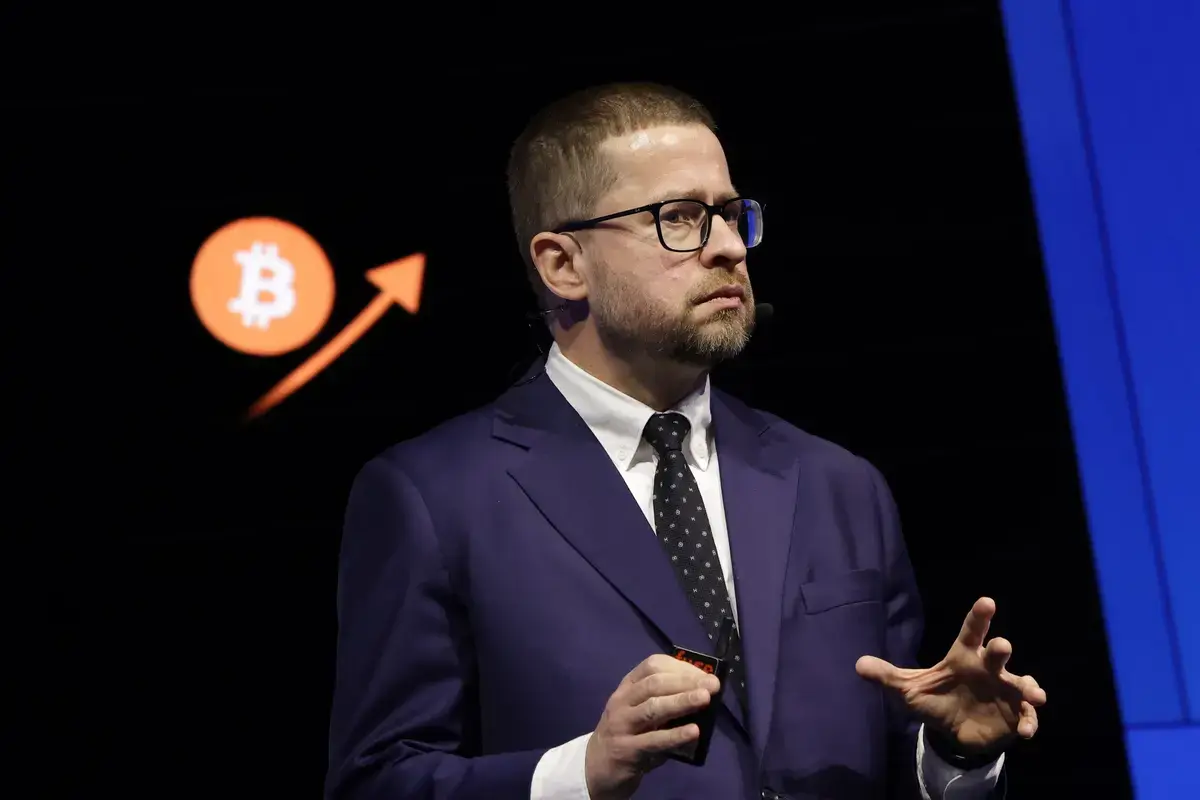
The governor of the Czech National Bank, Aleš Michl, publicly endorsed including Bitcoin within the country’s foreign exchange reserves. He revealed this stance while speaking at a Bitcoin industry event in Las Vegas. Michl proposes allocating one percent of reserves to the cryptocurrency. This move signals a blend of cautious financial policy with innovative thinking.
Breaking news
 Bitcoin Security Could Be Threatened by 2046, AI Model Indicates
 XRP Ledger Patches Critical Bug That Could Have Minted 18 Trillion Tokens
 Aptos Launches AI Tools to Simplify Move Programming
 Regulatory Reach: CFTC Says It Can Oversight Nearly All Commodities
Michl framed his suggestion as part of a broader, „conservative but innovative” strategy. He believes central banks must explore new asset classes. Traditional reserve assets are becoming less effective in a changing global economy. He emphasized the need to adapt to evolving financial landscapes. This isn’t a radical departure, but a measured consideration of Bitcoin’s potential.
The Czech National Bank currently holds reserves primarily in Euros, US dollars, and gold. Michl argues that adding a small percentage of Bitcoin could diversify these holdings. Diversification can potentially enhance returns and reduce overall risk. He acknowledged Bitcoin’s volatility, but believes a limited allocation is manageable. He sees it as a long-term investment, not a quick profit opportunity.
Could Other Banks Follow Suit?
Michl specifically chose one percent as a figure representing a prudent balance. It’s large enough to be meaningful, yet small enough to avoid significant financial exposure. He contrasted this with some nations holding substantial amounts of US Treasury bonds. He questioned the long-term security of those assets. He believes Bitcoin offers an alternative, albeit a risky one.
The governor’s comments are noteworthy because they come from a central bank official. Most central banks remain hesitant about cryptocurrencies. They often cite concerns about volatility, regulation, and potential illicit use. Michl’s endorsement could encourage other institutions to reconsider their positions. However, widespread adoption is unlikely in the near future.
Frequently Asked Questions
Michl stressed the importance of careful research and risk management. He doesn't advocate for reckless investment. He wants to see a thorough understanding of Bitcoin’s technology and market dynamics. This approach could pave the way for a more nuanced and informed debate about digital assets within the central banking community. The potential impact on global financial systems remains to be seen.
What makes this different from other central bank stances? Most central banks are wary of cryptocurrencies. Michl is one of the first to publicly suggest including Bitcoin in official reserves. He frames it as a calculated risk within a broader strategy.
What are the biggest risks associated with this plan? Bitcoin’s price is highly volatile. A significant price drop could impact the value of Czech reserves. Regulatory uncertainty and security concerns also pose challenges.