
Realized Price as a Bear-Market Trigger
Bitcoin (BTC) is approaching the aggregate cost basis of its investors, a level historically associated with the start of bear markets. Analysts point to the $53,200 realized price as a critical downside target. If historical patterns hold, BTC could slide below this threshold, triggering further selling pressure.
Breaking news
 Bitcoin exchange reserves drop 42,000 BTC amid price slide
 Ripple Secures Turkish Bank Partnership, Highlights XRP Popularity
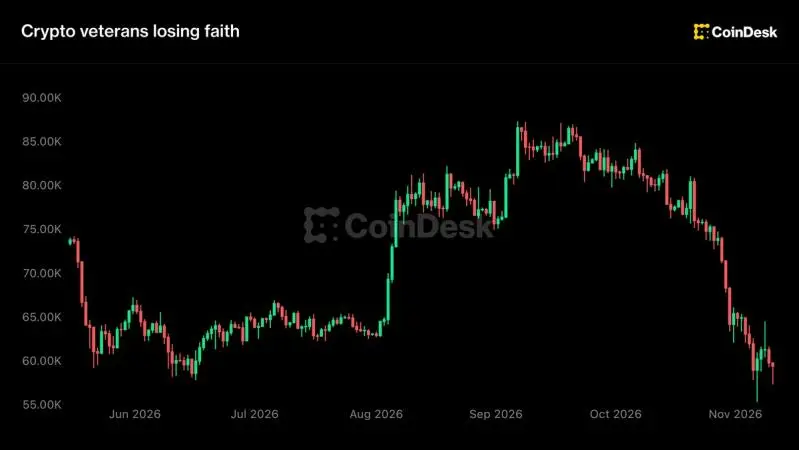 Bitcoin dropped to $57,300 early Wednesday, triggering fresh anxiety across the crypto market
 France Senate Blocks Mandatory Self-Custody Wallet Reporting
The realized price represents the average transaction price at which all coins were last traded. When the market price approaches or falls below this metric, it signals that many holders are at or below their break-even point. Historical data shows that when BTC/USD drops below the realized price, bear markets typically follow.
What Does the $53,200 Level Mean for Traders?
This level acts as a psychological and technical support zone. If Bitcoin breaks below $53,200, it may confirm a bearish trend. Traders should watch for volume spikes and declining open interest as confirmation signals. The proximity to the realized price suggests that a significant portion of the market is now underwater.
What is the realized price in crypto? The realized price is the weighted average of all transaction prices for a cryptocurrency. It serves as a proxy for the average holder's cost basis.
Frequently Asked Questions
Why does falling below the realized price matter? When the market price drops below the realized price, it indicates that the average holder is losing money. This often triggers panic selling, reinforcing the bearish trend.
Is $53,200 a guaranteed bottom? No. It is a historical reference point. Actual bottoms can vary, but the realized price is a strong indicator of where selling pressure may intensify.