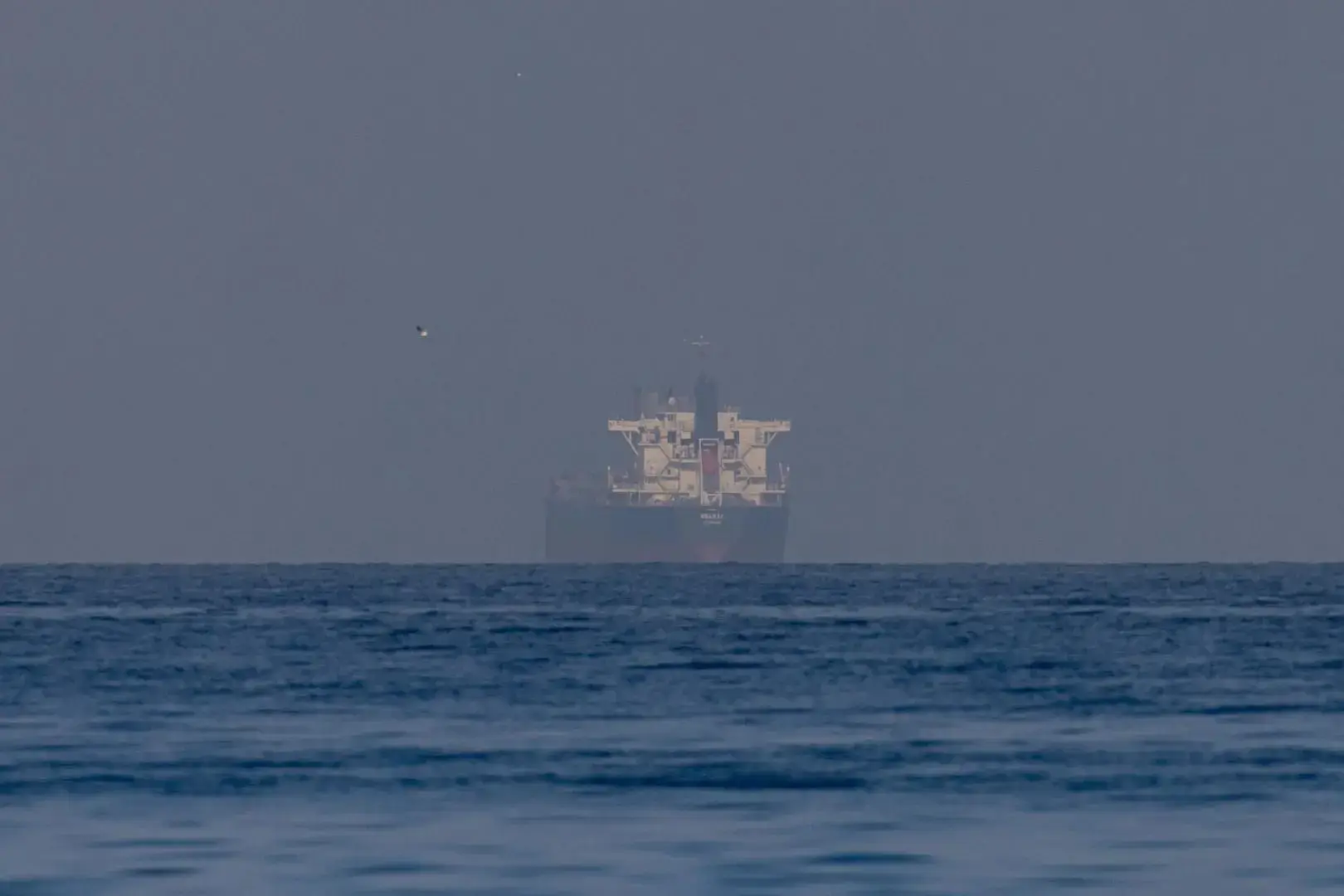
Why Did Geopolitical Tensions Trigger a Market Sell-Off?
Bitcoin’s price dropped to $76,000 on Saturday afternoon as geopolitical tensions flared in the Middle East. The decline followed reports that Iran decided to close the Strait of Hormuz once again. This sudden shift in regional stability triggered a massive wave of liquidations across global cryptocurrency markets.
Breaking news
 Crypto News Site Faces Sale After Google Penalty
 Justin Drake urges crypto ‘bunker mode,’ as AI could break wallet security within months
 XRP Whale Withdrawals from Binance Hit Seven-Month Peak
 What is a euro-pegged stablecoin?
The market volatility resulted in the destruction of $593 million in bearish betting positions overnight. This event marks one of the most significant short liquidations observed throughout 2026. Traders who had bet against the digital currency found themselves caught off guard by the rapid reversal in market sentiment.
How Will Regional Instability Influence Future Crypto Valuations?
The Strait of Hormuz serves as a critical artery for global energy supplies. When Iran moves to restrict access to this waterway, it immediately raises fears regarding global trade and economic stability. Investors often react to these international crises by shedding riskier assets, such as cryptocurrencies, in favor of safer holdings.
The sudden reversal of the strait's reopening caught many market participants by surprise. The resulting price drop forced the liquidation of leveraged short positions that were previously profitable. As the price of Bitcoin retreated toward the $76,000 mark, the sheer volume of forced exits highlighted the fragility of current market confidence.
What is the significance of the Strait of Hormuz to markets?
The current climate suggests that digital assets remain highly sensitive to news originating from the Persian Gulf. Any further escalation regarding the closure of the strait could lead to continued downward pressure on Bitcoin. Market analysts are now monitoring regional developments closely to gauge the potential for further volatility.
The scale of the overnight liquidations indicates that leverage remains a significant factor in crypto trading. As traders assess the risks of holding positions during periods of high geopolitical tension, the market may experience further turbulence. The ability of Bitcoin to stabilize above its current support level will depend heavily on whether the situation in the region de-escalates.
Why did so many short positions get liquidated?
The Strait of Hormuz is a vital maritime chokepoint for the global oil trade. Disruptions in this area frequently lead to immediate spikes in energy prices and widespread economic uncertainty. Investors typically view such events as negative indicators for volatile assets like Bitcoin.
Many traders had bet that the price of Bitcoin would continue to fall or remain stagnant. When the news of the strait's closure hit, the sudden market reaction forced these positions to close automatically to prevent further losses. This triggered a cascade effect that wiped out nearly $600 million in bearish capital.