
Regulator Eyes Backpack as Model for Compliance
The Commodity Futures Trading Commission chair has indicated that onchain perpetual futures need regulated exchanges to operate legally in the United States. Speaking on the evolving landscape of digital assets, the regulator emphasized the importance of established frameworks. This stance highlights a growing focus on integrating decentralized finance tools into traditional market structures. Investors are watching closely as new guidelines emerge.
Breaking news
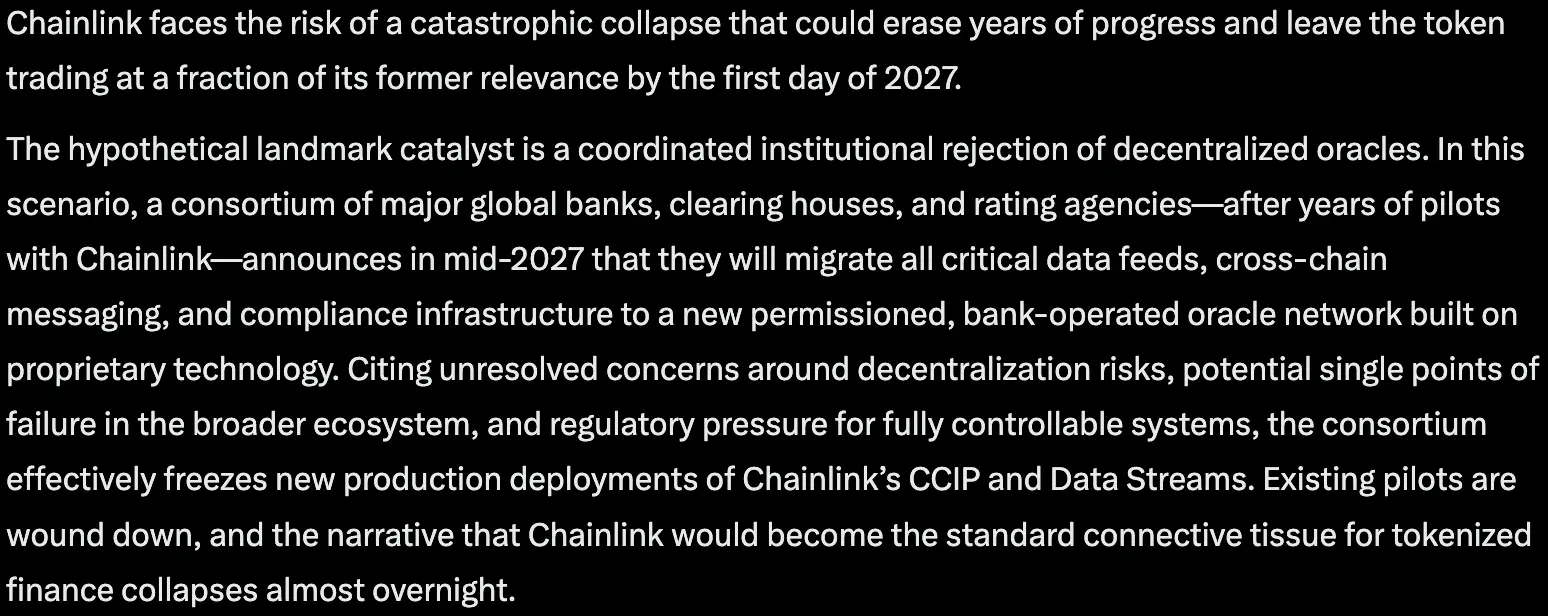 Claude AI Forecasts Chainlink Plunge in 2027
 XRP Crashes to $0.87 as ETF Assets Fall Below $1 Billion
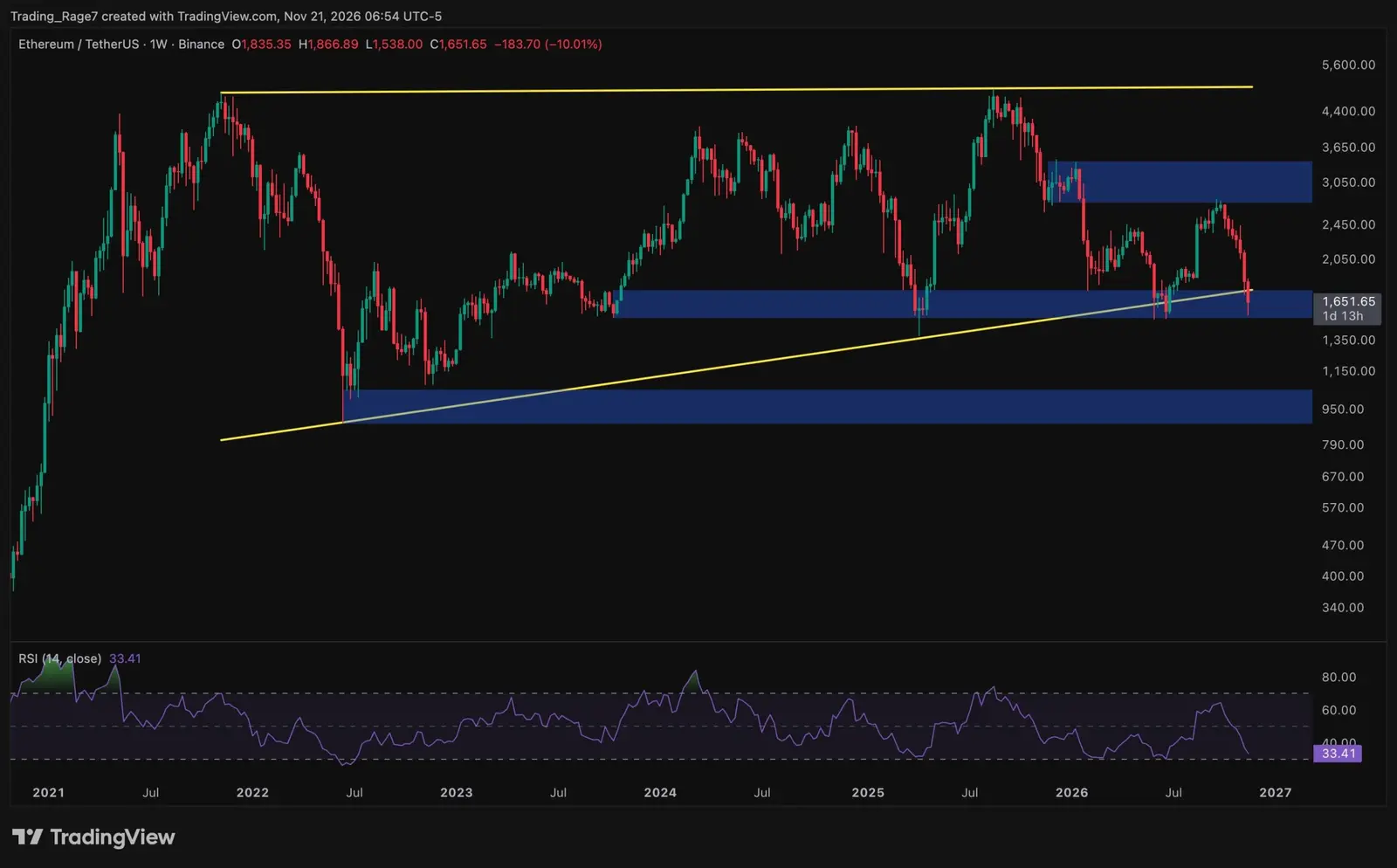 Ethereum price analysis: Did ETH hit its macro bottom after a 30% monthly drop?
 Bitcoin Reclaims $60,000 After Sharp Summer Selloff
The CFTC chair specifically addressed the status of Hyperliquid during recent remarks. Rather than offering an immediate ruling, the official pointed to Backpack as a key example of a compliant entity. The chair advised observers to stay tuned regarding other protocols entering the space. This approach suggests a case-by-case review process rather than a blanket ban or approval. Regulators aim to balance innovation with consumer protection.
Backpack serves as a primary reference point for current regulatory discussions. The CFTC chair cited this platform when explaining how onchain perps can fit within existing laws. By naming a specific exchange, the regulator provides clarity for market participants. This move reduces ambiguity for firms seeking legal footing. It signals that specific compliance standards are being applied to decentralized systems. The focus remains on ensuring fair trading practices and robust oversight.
Will More Protocols Follow Backpack?
The mention of Hyperliquid draws significant attention from the crypto community. As a leading protocol in the perpetual futures sector, its regulatory status is pivotal. The chair’s comment implies that not all protocols will receive the same treatment immediately. Stay tunedsuggests that further announcements are imminent. This creates a period of anticipation for traders and developers. They must prepare for potential changes in operational requirements. The goal is to bring transparency to a previously opaque market segment.
The broader question involves how many other platforms will qualify for regulation. The CFTC chair’s comments hint at a selective approval process. Not every onchain perp protocol may meet the necessary criteria for a regulated exchange. This could lead to a tiered system of market access. Firms will need to demonstrate adherence to federal standards. The outcome will shape the future of U. S. crypto trading. Investors should expect a gradual integration of these tools.
The regulatory environment for digital assets continues to evolve rapidly. The CFTC’s active role marks a shift toward formalized oversight. By prioritizing regulated exchanges, the agency aims to protect retail investors. This strategy supports long-term growth in the sector. The coming months will reveal which protocols secure official recognition. Market participants must remain agile in response to new directives. The path forward requires clear communication between regulators and industry leaders. Success depends on maintaining trust while fostering innovation in the onchain space.
Frequently Asked Questions
Did the CFTC approve Hyperliquid? No, the chair did not give a final verdict on Hyperliquid. Instead, the official suggested waiting for further updates on other protocols. The focus was on using Backpack as a benchmark for compliance.
Why is Backpack mentioned? Backpack is cited as an example of a regulated exchange operating in the onchain space. It serves as a model for how other protocols might achieve legal standing. This reference helps clarify the regulatory expectations for the sector.
What does stay tunedmean for traders? It indicates that additional decisions and announcements are expected soon. Traders should monitor official channels for updates on specific protocols. This period of uncertainty may affect trading strategies and liquidity.