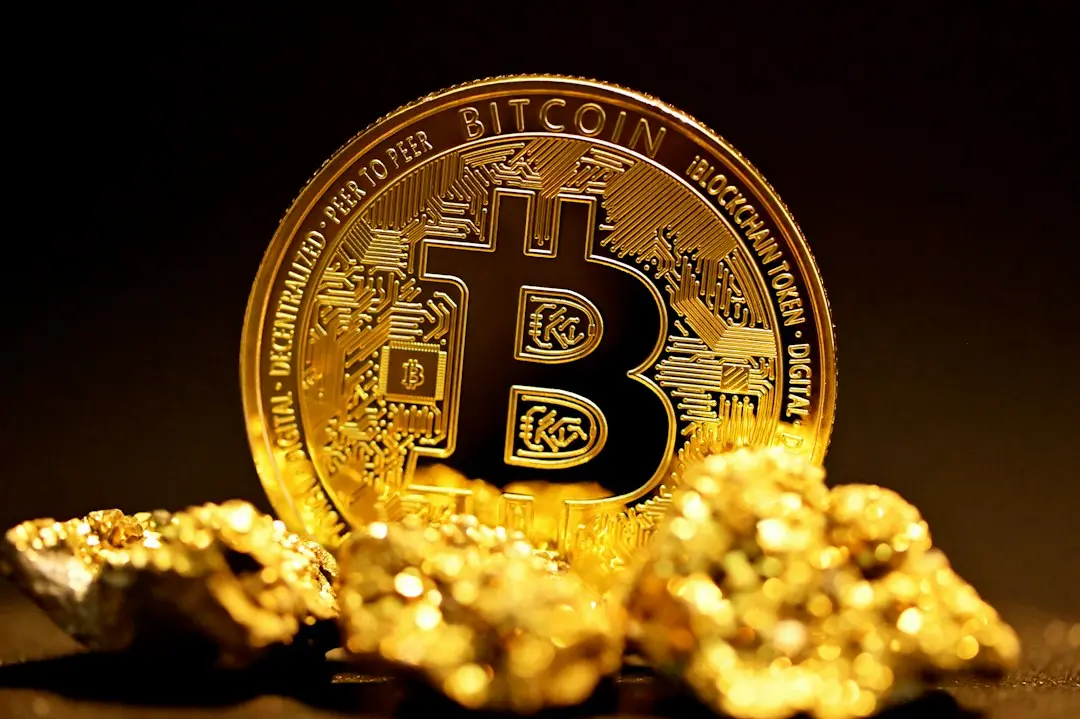
Why Sanctions Drive Demand for Hard Assets
Doomberg, a prominent Bitcoin analyst, argues that recent U. S. Treasury sanctions on foreign central banks have made holding Bitcoin and gold even more attractive. The core issue is simple: when nations cannot sell their U. S. dollar reserves, they must hold them. This forces central banks to seek alternative stores of value that are not tied to the U. S. financial system.
Breaking news
 Bitcoin and gold are both viewed as stores of value, but their mechanisms differ sharply
 Bitcoin ETFs Shed $570M as Blackrock Sees $1.6B in Three-Day Exodus
 Junk Bond Yields Spike as Bitcoin ETFs See $570M Outflow
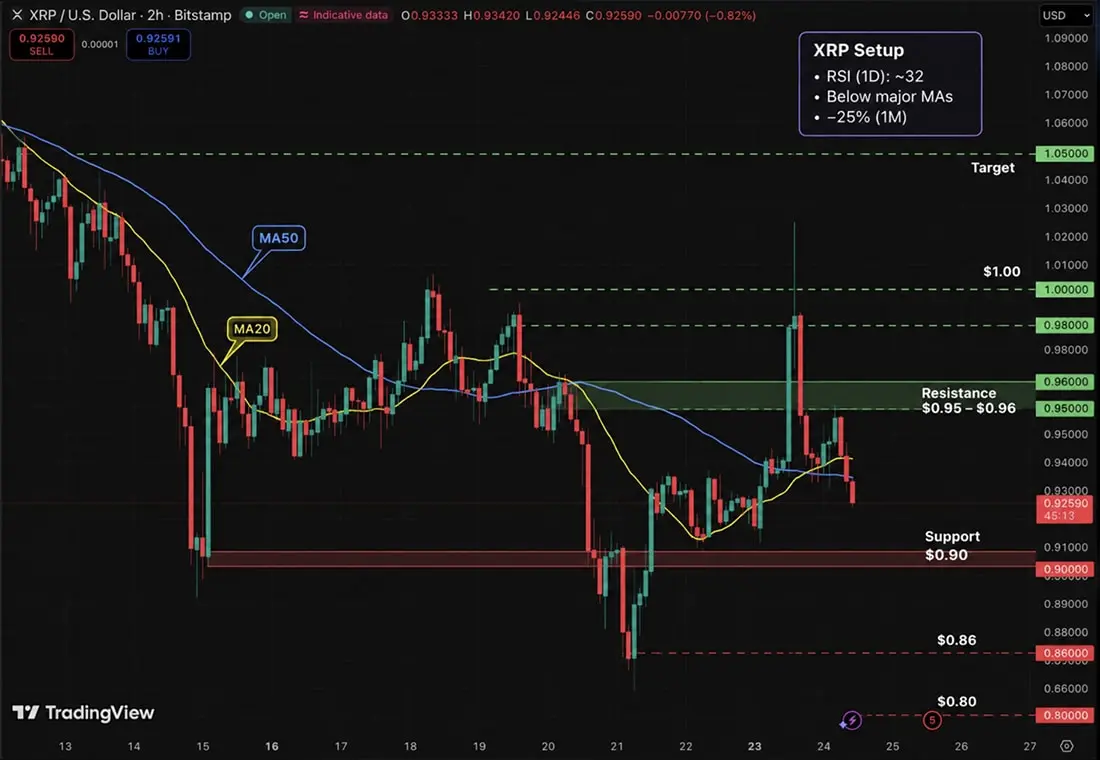 XRP Price Prediction: David Schwartz Clarifies 88% Sell-Off
The U. S. has used Treasury holdings as leverage, restricting allies from selling their bonds during a crisis. Doomberg notes that in a panic, institutions sell what they can liquidate quickly, not what they wish to sell. This dynamic pushes central banks toward assets that are truly sovereign and unseizable. Bitcoin and gold fit this profile perfectly.
Can Bitcoin Replace Gold in Central Bank Portfolios?
Gold has historically served as a crisis hedge, but Bitcoin offers a digital alternative that is portable and verifiable. The analyst points out that sanctions change the mathematical incentive for central banks. If you cannot sell your Treasuries, you need an asset that remains liquid and independent of the sanctioning power.
The question now is whether Bitcoin can fully replace gold in official reserves. Doomberg believes the answer is yes, at least partially. The asset must be hard to seize, globally accessible, and resistant to monetary policy interference. Bitcoin checks these boxes, making it a compelling option for nations looking to diversify away from the U. S. dollar.
The final consequence is a structural shift. As sanctions tighten, more central banks will likely add Bitcoin and gold to their reserves. This creates a feedback loop: more official demand drives up prices, which in turn encourages further adoption. The outlook is bullish for both assets, with Bitcoin potentially becoming a core component of global reserve strategy.
Frequently Asked Questions
Will Bitcoin become a standard central bank reserve asset? Doomberg argues that sanctions make this shift inevitable. As nations seek assets outside U. S. control, Bitcoin’s portability and verifiability make it a strong candidate for official reserve portfolios.
How do sanctions specifically affect the value of gold and Bitcoin? Sanctions restrict the sale of U. S. Treasuries, forcing holders to look for alternative stores of value. This increases demand for hard assets like gold and Bitcoin, driving their prices higher.