Proposed Framework Targets Investment Advisers and Registered Funds
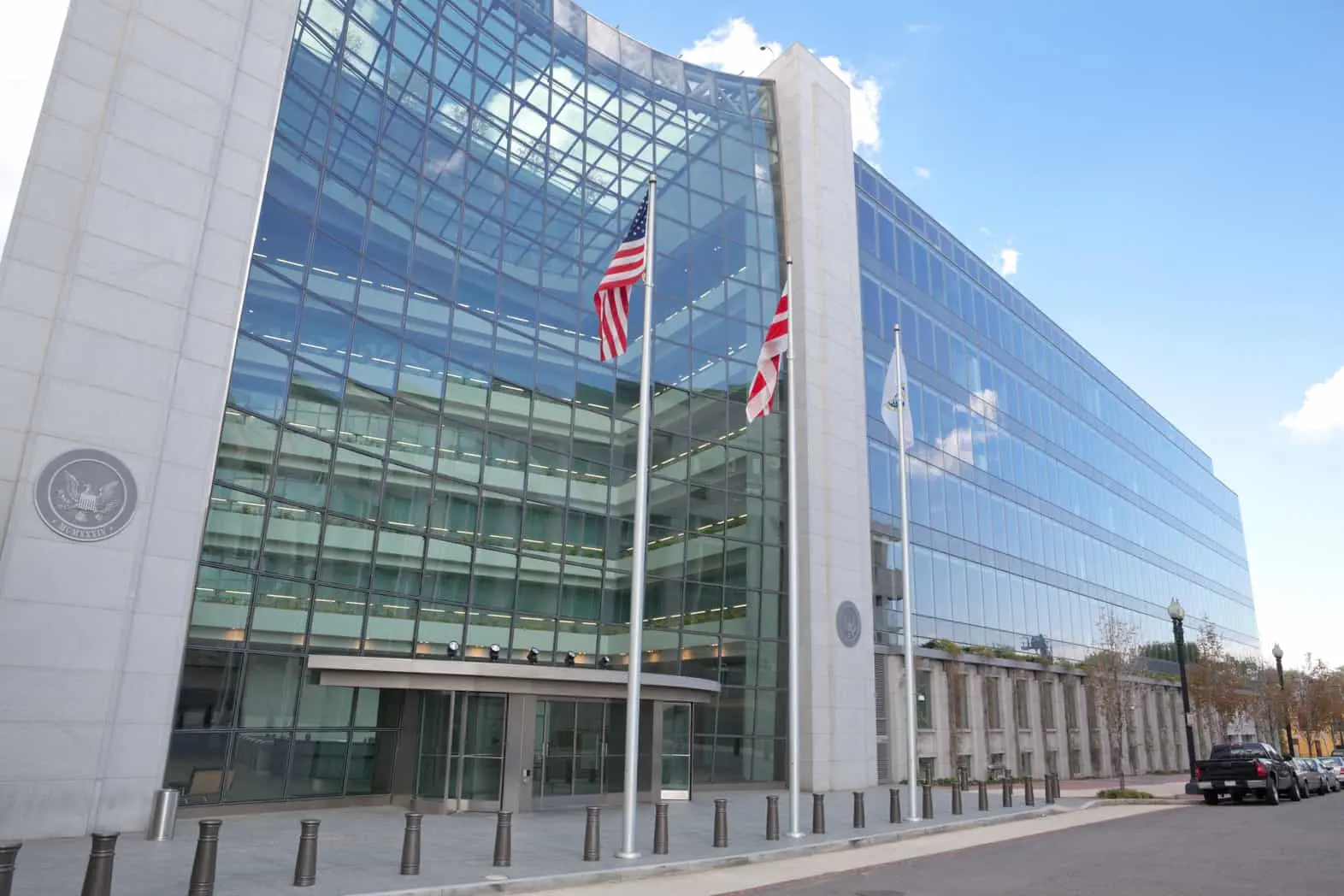
The Securities and Exchange Commission (SEC) has proposed a new rule package that could fundamentally reshape how professionally managed investment funds hold digital assets. This initiative builds on ongoing regulatory efforts, particularly after the stalled progress of the CLARITY Act in Congress. The proposed structure aims to establish a clearer framework for cryptocurrency custody by registered investment advisers and funds subject to strict oversight.
Breaking news
 Spiral Integrates Bitcoin Payments into Mesh LLM for Machine-to-Machine AI Compute Trading
 Strike Introduces Stacks to Organize Bitcoin Savings Into Custom Buckets
 CFTC Chair Announces New Crypto Rulemaking to Prevent FTX-Style Collapse
 Binance Expands Margin Collateral Options with New Equity-Linked Tokens
Chairman Paul Atkins Calls for Modernization
SEC Chairman Paul S. Atkins emphasized the importance of this regulatory shift, stating that the proposed rules could „replace the grey of uncertainty created by custody rules crafted for a bygone era.”He explained that current laws, rooted in the Investment Advisers Act of 1940 and the Investment Company Act of 1940, were designed exclusively for traditional assets and predate the internet. These regulations fail to adequately address the unique needs of crypto custody.
Custody Delays Pose Operational Challenges
A critical issue highlighted by Atkins is the lengthy delay often experienced with crypto custody services. These services can take months to become available after a digital asset launches, creating significant operational hurdles for investment advisers and regulated funds. The proposed rules seek to eliminate such bottlenecks and provide timely access to digital asset custody.
New Rules Expand Custody Options
The SEC's proposal aims to remove regulatory barriers currently affecting advisers offering crypto-related investment advice. Under the new framework, digital assets may be held through state-chartered trust companies in certain circumstances. Additionally, self-custody arrangements for crypto assets are permitted, provided specific conditions are met. These changes give regulated funds more flexibility in designing crypto investment strategies.
Audit Requirements Updated for Digital Assets
The proposal also updates audit requirements for financial statements of registered investment advisers and custody services provided by broker-dealers serving regulated funds. These adjustments ensure that financial reporting accurately reflects the value and risk profile of volatile crypto assets. The SEC believes these updates are essential for investor protection and market transparency.
Regulatory Pressure Preceded the Proposal
While described as part of a comprehensive approach to crypto regulation, this proposal is not an isolated effort. Atkins noted that the process began with enforcement-driven regulation. In December 2025, SEC staff issued a no-action letter to the Depository Trust Company (DTC) regarding its voluntary securities tokenization pilot program. In January 2026, staff released guidance on tokenized securities, offering a clear taxonomy for market participants.
Public Comment Period Opens for 60 Days
The proposed changes are not yet final. The SEC is soliciting public feedback before making a definitive decision. The comment period will remain open for 60 days. The failure of the CLARITY Act to advance has redirected attention to what U. S. regulators can accomplish without waiting for congressional action.
Industry Leaders Urge Regulatory Clarity
Coinbase co-founder Brian Armstrong previously argued that the SEC and the Commodity Futures Trading Commission (CFTC) already possess sufficient authority to establish clearer crypto rules. He contends that the industry cannot afford to wait for legislation. Similarly, Matt Hougan, CIO at Bitwise, stated that while these developments do not replace the CLARITY Act or resolve every regulatory question, they demonstrate how agencies can shape crypto policy using existing authority.
Regulatory Landscape Shifts Toward Direct Action
The regulatory context has changed significantly. The failure of the CLARITY Act has shifted focus from awaiting legislative action to direct regulator intervention. This reflects a broader trend where agencies use existing tools to fill gaps left by stalled federal legislation. For industry participants, this means greater operational clarity, though it does not fully eliminate legal uncertainty.
Technical Details Expand Custody Mechanisms
Key technical aspects of the proposal include allowing digital assets to be held through state-level trust entities, a mechanism not explicitly outlined in prior regulatory regimes. Self-custody is permitted but conditioned on specific safety and transparency criteria, ensuring that regulated funds do not assume excessive risk. Updated audit standards are crucial for ensuring financial reports accurately reflect the value and risk of volatile crypto assets.
Atkins Emphasizes Technological Complexity
Paul Atkins stressed the modern nature of this regulatory framework, noting that older regulations were unprepared for the technological complexity of blockchain and tokenization. By removing unnecessary obstacles, the SEC hopes to foster innovation in the U. S., allowing funds to integrate cryptocurrencies into their portfolios without fear of technical legal violations.
Stakeholder Feedback Will Shape Final Outcome
The 60-day public comment period is critical for gathering input from market participants, including major custodians, investment advisers, and technology developers. The final outcome of this process will determine whether the new approach is adopted as proposed or modified to address concerns raised during the review.
SEC Moves Build on Recent Regulatory Momentum
This SEC initiative fits within a series of recent events redefining the crypto landscape in the United States. From enforcement letters to tokenization taxonomies, regulators are gradually constructing a coherent legal ecosystem. Both Armstrong and Hougan have noted that while these measures are not a panacea, they demonstrate agencies' capacity for proactive governance.
Proposal Marks a Step Toward Market Maturity
In conclusion, the SEC's proposal represents a significant step toward the maturation of the digital asset market. By clarifying custody rules and expanding permissible arrangements, the agency seeks to balance innovation with investor protection. The coming months will reveal how this framework evolves through public input and regulatory refinement.