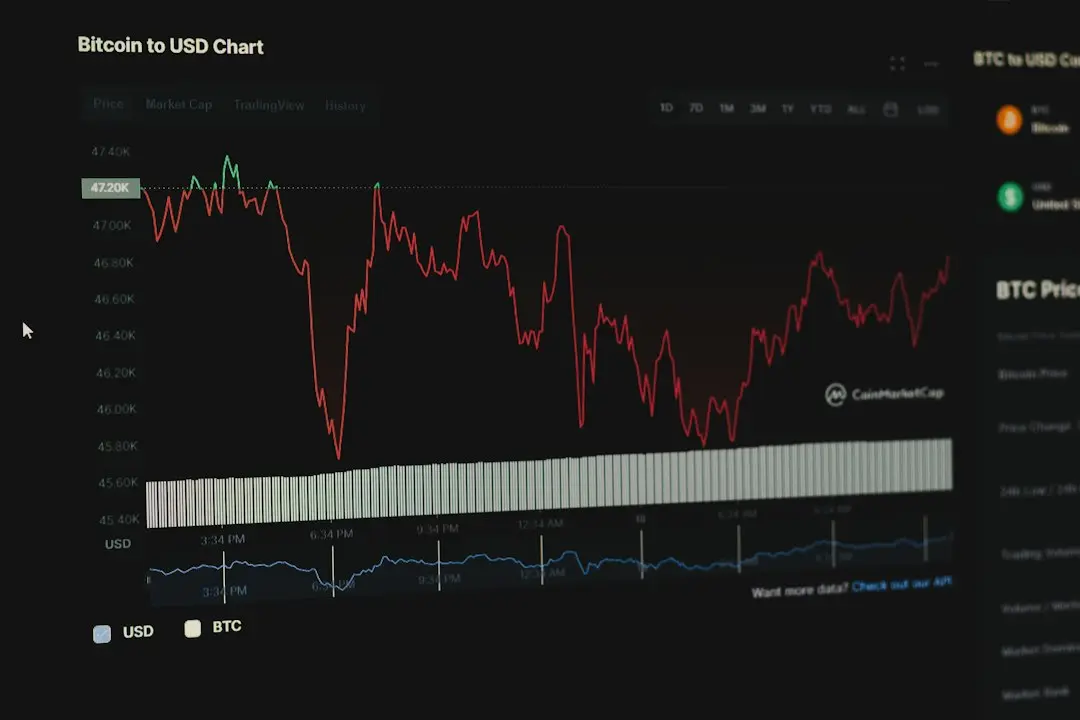
Bitcoin’s Slump and Its Ripple Effect on Strategy
TD Cowen lowered its price target for Strategy on Tuesday, citing persistent weakness in Bitcoin. The move follows a renewed slide in Strategy’s stock, which fell again after a nine‑day losing streak. The investment bank still praised the company’s broad capital‑management plan and noted a recent $2.55 billion cash boost aimed at easing investor concerns.
Breaking news
 Solana Sandwich Bots Extract $29.7 Million, Mostly Targeting Pump.fun
 South Korean Bank Launches Bitcoin-Backed Corporate Lending Program
 Standard Chartered Expands Crypto Custody Services to Singapore
 Hardware Implant Discovered in Crypto Wallet Security Investigation
The downgrade reflects a sharp reassessment of Strategy’s growth prospects. Bitcoin’s prolonged dip has pressured revenue streams tied to crypto exposure, prompting analysts to question the firm’s near‑term earnings. TD Cowen’s revised target trims expectations by more than a third, a sizable shift that underscores the market’s sensitivity to digital‑asset trends. The firm highlighted Strategy’s „sweeping capital management framework” as a positive sign, suggesting the company is taking steps to shore up its balance sheet.
Bitcoin’s recent price weakness has reverberated across the crypto‑related sector. For Strategy, the downturn translates into lower transaction volumes and reduced fee income, which in turn drags down revenue forecasts. The firm’s decision to secure $2.55 billion in cash is intended to buffer against such volatility. By bolstering liquidity, Strategy hopes to reassure shareholders that it can weather prolonged market turbulence. However, the cash infusion also raises questions about the cost of capital and whether the firm can generate sufficient returns to justify the added reserves.
Can the Cash Buffer Calm Investor Nerves?
Investors are watching closely to see if the cash cushion will translate into steadier performance. The $2.55 billion reserve is a sizable safety net, but it does not guarantee profitability if Bitcoin remains depressed. Market participants will likely assess how efficiently Strategy deploys this capital—whether through acquisitions, product development, or cost‑cutting measures. The firm’s ability to convert cash into growth will be a key determinant of its future stock trajectory. Until then, the lowered price target serves as a cautionary signal that the market remains skeptical.
The downgrade by TD Cowen may influence other analysts to revisit their own forecasts. If Bitcoin’s weakness persists, Strategy could face continued pressure on its share price, despite the strengthened balance sheet. Conversely, a rebound in digital‑asset prices could restore confidence and narrow the gap between current market valuations and the bank’s revised target. For now, investors must balance the firm’s cash position against the broader uncertainty in the crypto market.
Frequently Asked Questions
Why did TD Cowen cut the price target by 35%? The investment bank cited ongoing Bitcoin weakness, which undermines Strategy’s revenue outlook and forces a more conservative valuation.
What does the $2.55 billion cash reserve mean for shareholders? It provides a liquidity buffer to manage market volatility, but its effectiveness depends on how the company allocates the funds to generate returns.
Will a Bitcoin recovery improve Strategy’s stock performance? A sustained Bitcoin rally could lift revenue and ease investor concerns, potentially narrowing the gap between the current share price and TD Cowen’s revised target.