How Did These Platforms Evade Detection?
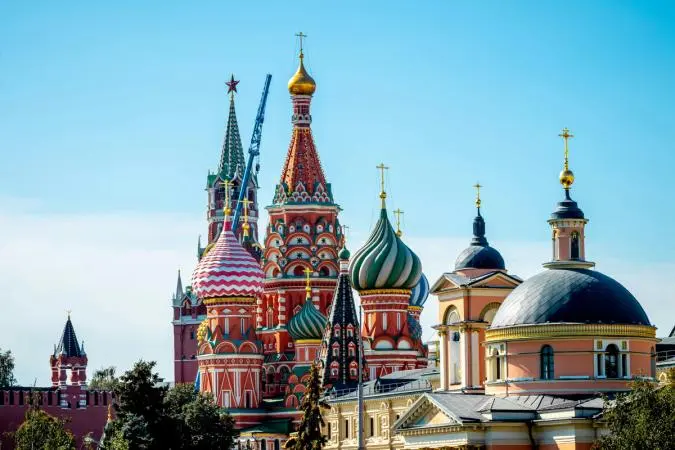
Britain has sanctioned three cryptocurrency exchanges and two payment services for allegedly facilitating financial transactions that helped Russia evade international sanctions, according to an announcement made on October 9, 2026. The measures target platforms suspected of enabling Kremlin-linked entities to move funds through digital channels, including transactions tied to the A7 network, which has been previously associated with Russian state-backed operations. Authorities stated that the actions are part of broader efforts to close loopholes in the global sanctions regime.
Breaking news
 DWF Labs Subsidiaries File $141 Million Lawsuit Against BitGo Over Token Lock‑Up Violation
 Zcash Targets Quantum‑Safe Upgrade by 2027 to Stabilize Price
 Litecoin Eyes a Bounce Toward $80 After Testing $63 Support
 Crypto Liquidations Surge Past $1 Billion in Single Session
The UK Treasury said the sanctioned exchanges processed payments that may have supported Russia’s war effort in Ukraine by circumventing restrictions on traditional banking systems. Two of the platforms were specifically flagged for handling transactions involving the A7 network, a financial mechanism linked to Russian intelligence and defense procurement. While the exchanges have not been publicly named in the initial release, officials confirmed they operated with significant user bases in Europe and allowed conversions between fiat currencies and digital assets without adequate anti-money laundering checks. The payment services involved were also accused of enabling rapid cross-border transfers that obscured the origin and destination of funds.
What Does This Mean for Crypto Regulation in the UK?
Regulators noted that the exchanges exploited delays in blockchain monitoring tools and used layered transaction structures to mask the flow of funds. By converting rubles into stablecoins and then into other cryptocurrencies, users could bypass standard financial surveillance. The UK’s National Crime Agency reported that suspicious activity patterns emerged over several months, prompting a joint investigation with international partners. One official described the scheme as „sophisticated but not invisible,” emphasizing that digital footprints still left traces detectable through advanced analytics.
The sanctions signal a hardening stance by British authorities toward digital asset platforms that fail to comply with financial crime regulations. Industry experts warn that the move could prompt stricter licensing requirements and enhanced due diligence obligations for crypto firms operating in or serving UK markets. The Treasury indicated it is reviewing its regulatory framework to ensure crypto assets are subject to the same sanctions enforcement mechanisms as traditional finance. Meanwhile, the sanctioned entities have 30 days to appeal the designations, though access to frozen assets will be restricted immediately.
What specific actions did the UK take against the exchanges? The UK froze assets held by the three cryptocurrency exchanges and two payment services under its sanctions regime and prohibited UK individuals and businesses from dealing with them.
Frequently Asked Questions
Why was the A7 network mentioned in the announcement? The A7 network has been previously identified by Western intelligence as a channel used by the Russian government to acquire technology and fund defense-related procurement, making its use a red flag for sanctions evasion.
Will this affect ordinary cryptocurrency users in the UK? The sanctions target specific platforms suspected of illicit activity, not cryptocurrency use itself, but users are advised to verify that their service providers remain compliant with UK financial regulations.