
Why the Decline Could Prompt Monetary Policy Shift
In June, roughly 720,000 Americans left the labor force, pulling the participation rate for workers aged 25‑54 down to 83.3 percent. The decline follows a modest dip in May and marks the smallest share of prime‑age workers since December 2023.
Breaking news
 French Lawmakers Propose Strict Crypto Reporting Rules
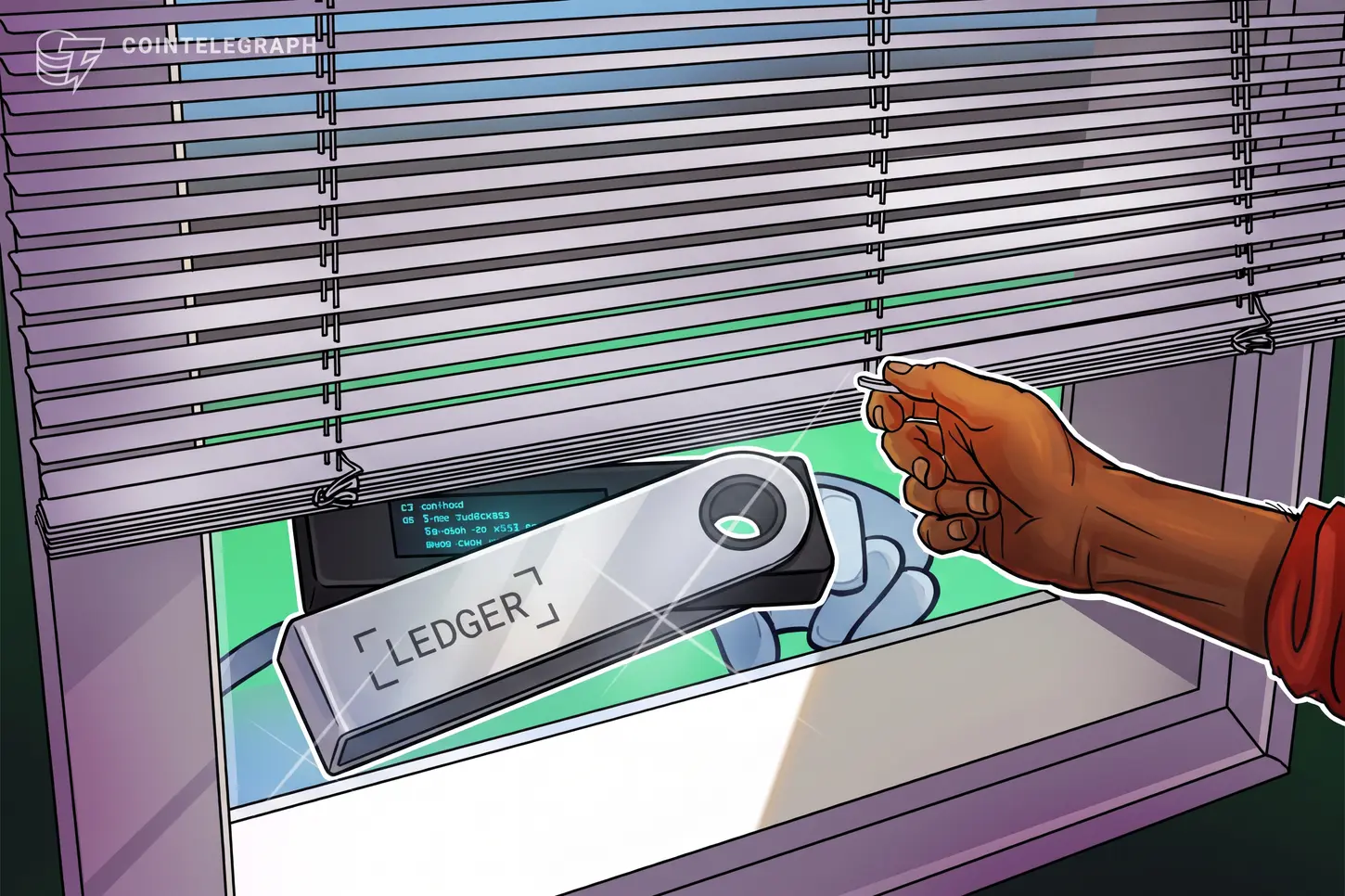 European Electronics Giant Pulls Hardware Wallets Off Shelves
 Blur NFT Marketplace to Cease Operations Next Month Following Market Decline
 XRP Defies Market Downturn as Ripple Token Holds Strong Amid Global Sell-Off
Economists say the drop signals a slowdown in hiring momentum, especially among firms that had been adding staff earlier in the year. A shrinking pool of active workers reduces pressure on wages, which may encourage the Federal Reserve to consider a more accommodative stance. Lower participation also reflects rising discouragement among job seekers who see fewer openings as the economy cools.
The Federal Reserve monitors labor‑force participation as a barometer of underlying economic health. When participation falls, it suggests slack in the market that could temper inflationary pressures. Analysts note that the June dip aligns with a broader trend of slowing job growth, giving policymakers room to pause or even reverse recent rate hikes. If the Fed eases, borrowing costs would fall, potentially reviving consumer spending and business investment. However, some experts caution that a prolonged decline could signal deeper structural issues, such as skill mismatches or demographic shifts, that may limit the effectiveness of policy moves.
Could a Weaker Labor Market Lift Bitcoin and Other Risk Assets?
Investors have started to link the labor‑force contraction with a possible rally in risk‑on assets, including Bitcoin. A softer labor market may lower expectations for further rate hikes, which historically benefits high‑volatility assets. Crypto traders argue that reduced Treasury yields could make alternative stores of value more attractive, prompting a short‑term price boost for Bitcoin. Yet the cryptocurrency space remains sensitive to regulatory developments and broader market sentiment, so any gains could be fleeting if confidence wavers.
The labor‑force slide adds a new variable to the Fed’s decision‑making calculus and to market expectations for risk assets. If the central bank leans toward easing, we may see modest gains in equities and crypto, but the durability of such moves depends on how quickly the labor market stabilizes. Continued monitoring of participation trends will be crucial for forecasting both monetary policy and asset‑class performance.
Frequently Asked Questions
What does a lower prime‑age participation rate indicate? It shows fewer workers aged 25‑54 are either employed or actively looking for work, suggesting weakening labor market momentum.
Will the Fed definitely cut rates because of this decline? Not necessarily. The Fed weighs many indicators, and a single month’s drop may not be enough to trigger an immediate policy change.
Is Bitcoin likely to rise permanently due to a softer labor market? Bitcoin’s price is influenced by many factors; a softer labor market may provide short‑term support, but long‑term trends depend on broader economic and regulatory forces.