Why Are Traders Hesitant Despite Bullish Signals?
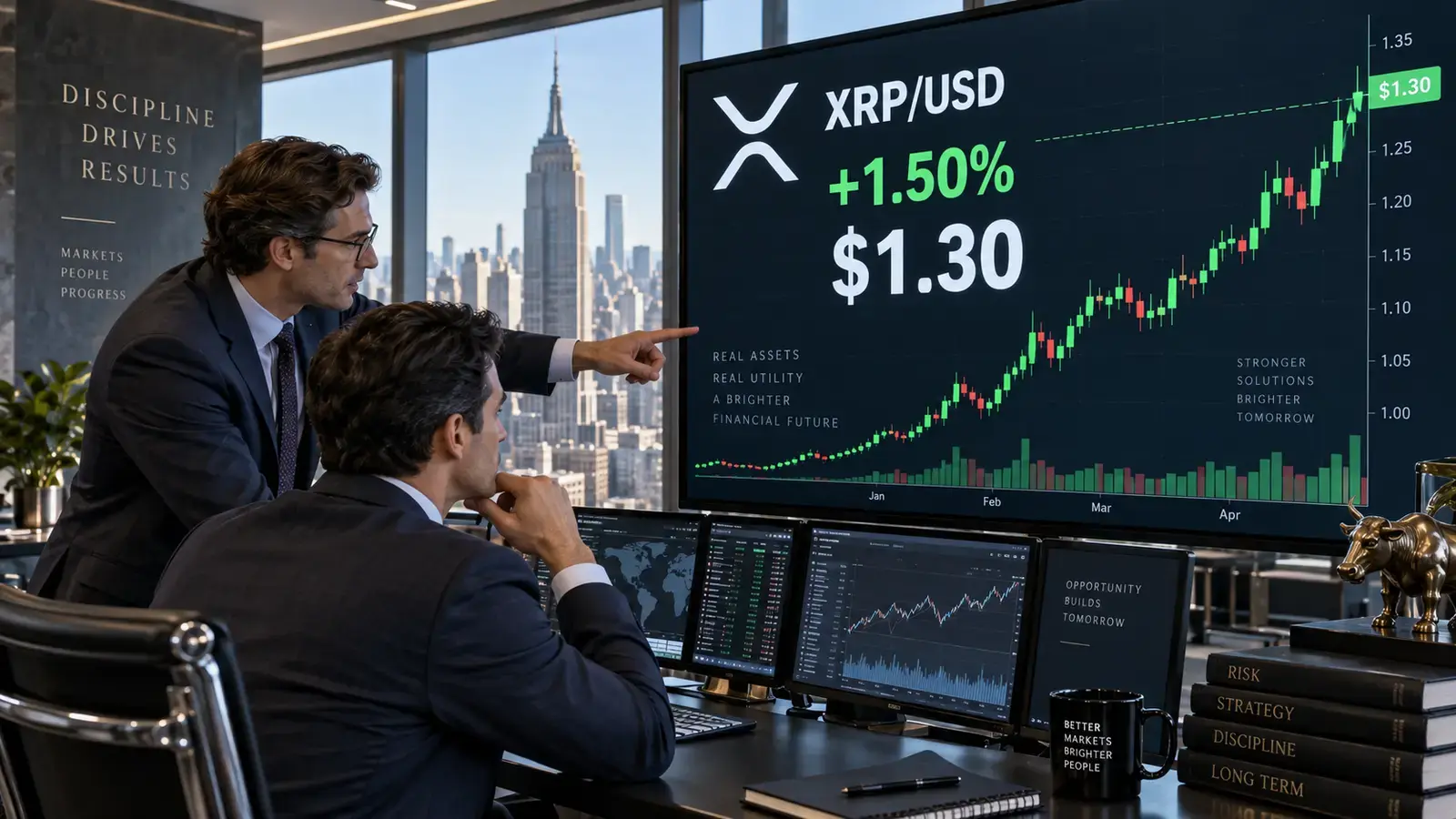
XRP has begun to rebound after a period of decline, with price action showing upward momentum in recent trading sessions. The cryptocurrency’s long-to-short ratio has risen to 1.06, indicating more traders are betting on price increases than decreases. This shift comes as funding rates turned negative, suggesting short sellers are now paying longs to hold positions. Despite the improving spot market sentiment, derivatives data remains weak, limiting confidence in a sustained bullish trend. Traders remain cautious as market indicators send conflicting signals about XRP’s near-term direction.
Breaking news
 Crypto News Site Faces Sale After Google Penalty
 Justin Drake urges crypto ‘bunker mode,’ as AI could break wallet security within months
 XRP Whale Withdrawals from Binance Hit Seven-Month Peak
 What is a euro-pegged stablecoin?
The recovery in XRP’s price coincides with broader stabilization in the cryptocurrency market, where major assets have seen reduced volatility after weeks of pressure. Analysts note that while the long-to-short ratio improvement reflects growing optimism among futures traders, the negative funding rates reveal underlying skepticism. Typically, negative funding rates occur when shorts dominate, but here they coincide with a bullish ratio—a divergence that suggests uncertainty in market positioning. Trading volumes in XRP derivatives remain below recent averages, pointing to limited participation from institutional or leveraged traders. This lack of conviction in the derivatives market contrasts with stronger spot buying, creating a split in market interpretation.
What Could Trigger Stronger Conviction in XRP?
Market participants are questioning the durability of XRP’s rebound due to weak derivatives activity, which often precedes false breakouts. When futures and options markets show low engagement, it can indicate that price moves lack strong underlying support. In XRP’s case, the rise in long positions is not being matched by increased open interest or volume in derivative contracts, raising concerns about the quality of the bullish signal. Some traders suggest the move may be driven by spot accumulation rather than leveraged speculation, which could imply slower, more gradual gains. Others warn that without derivative market participation, any rally risks losing steam quickly if selling pressure returns.
A sustained increase in derivatives trading volume, particularly alongside rising open interest, would signal growing confidence among leveraged traders. If funding rates turn positive while the long-to-short ratio remains elevated, it would suggest genuine bullish momentum rather than a temporary imbalance. Additionally, a break above key resistance levels with strong futures market participation could validate the recovery. Until then, analysts advise monitoring both spot and derivatives metrics together to avoid misreading market sentiment. The coming days will be critical in determining whether XRP’s rebound is a short-term bounce or the start of a more meaningful upward phase.
What does a long-to-short ratio of 1.06 mean for XRP? A long-to-short ratio of 1.06 means that for every 100 short positions, there are 106 long positions in XRP futures markets, indicating a slight bias toward bullish sentiment among traders.
Frequently Asked Questions
Why are negative funding rates significant in this context? Negative funding rates typically mean short sellers pay longs to maintain positions, which can reflect bearish pressure; however, when combined with a bullish long-to-short ratio, it suggests mixed or conflicting market signals.
How does weak derivatives data affect XRP’s price outlook? Weak derivatives data, such as low trading volume and open interest, suggests limited conviction among leveraged traders, which may make price gains less sustainable without broader market participation.