Why the Clarity Act could reshape institutional crypto participation
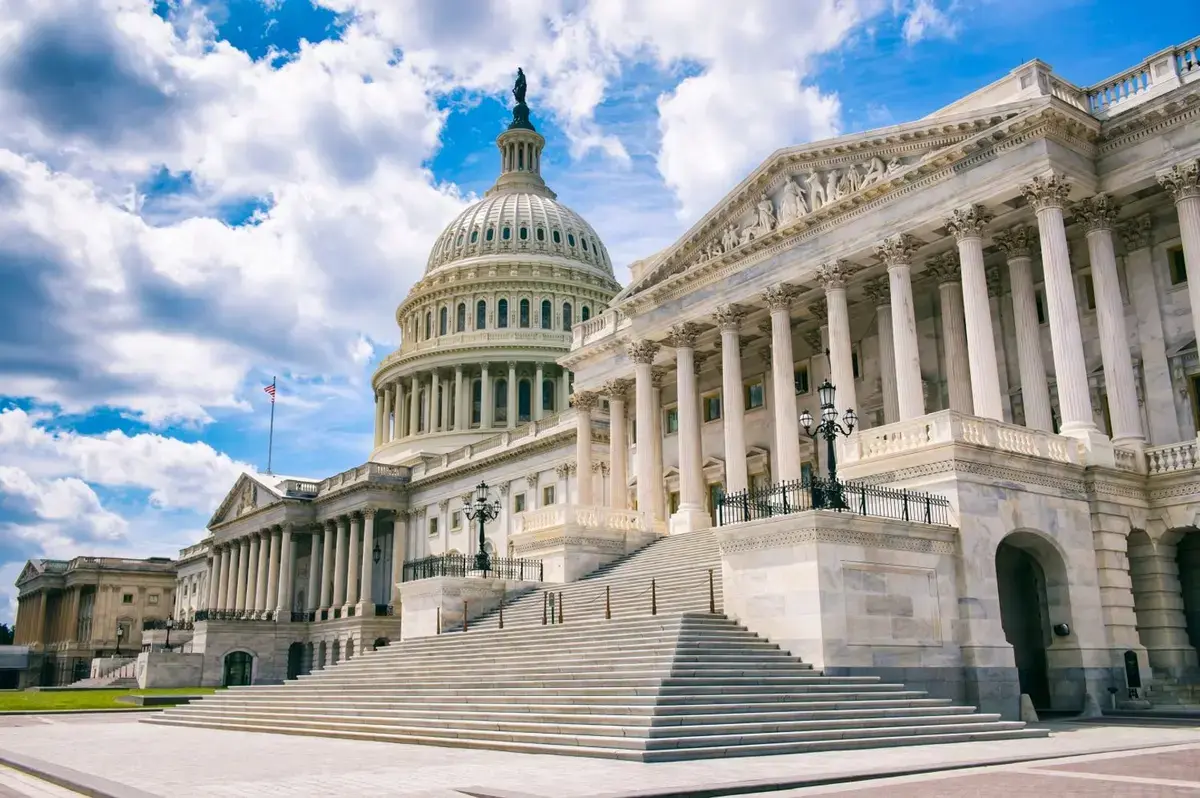
Washington—Jefferies analysts warned on Thursday that the U. S. crypto market could see heightened volatility as the Senate debates the Clarity Act. The bank highlighted the bill’s uncertain path and its potential to reshape institutional participation in digital assets.
Breaking news
 ASIC consults on updated CFD safeguards for digital assets, deadline November 9, 2026
 Papertrade Trader Losses Hit $32.4 Million Just Two Days After Launch
 Strategy Buys 250 Bitcoin, Sells Shares to Fund Purchase
 Standard Chartered Announces RLUSD Custody Services in Dubai and Explores LMAX Collateral Integration
The Clarity Act, introduced last year, aims to create a clear regulatory framework for cryptocurrencies. Jefferies says the legislation still faces significant hurdles, including partisan opposition and concerns over consumer protection. If passed, the bill could accelerate institutional adoption by providing legal certainty. Delays, however, would extend the current regulatory gray zone, keeping investors cautious.
Jefferies notes that clear rules are a prerequisite for large financial firms to allocate capital to crypto. „Institutional investors demand predictability; a well‑crafted statute would unlock billions in assets,” said senior analyst Maya Patel. The bill proposes a licensing regime for crypto exchanges and mandates reporting standards aligned with existing securities laws. Early estimates suggest compliance costs could be offset by reduced legal risk, encouraging banks and pension funds to explore digital assets. Moreover, the Act includes provisions for anti‑money‑laundering oversight, which many regulators view as essential for mainstream acceptance.
Will the Senate’s decision deepen market instability?
The Senate’s vote is expected later this year, and Jefferies warns that a narrow defeat could exacerbate market swings. „A rejected bill sends a mixed signal, amplifying uncertainty for traders and issuers alike,” Patel explained. Market data shows crypto indices have already reacted to legislative chatter, with volatility spikes of up to 15 percent on rumor days. Conversely, a swift approval could calm markets, as investors would have a concrete rulebook to follow. The timing of the decision therefore matters as much as its outcome, influencing short‑term price dynamics and long‑term strategic planning.
If the Clarity Act clears the Senate, the crypto sector may experience a surge in institutional inflows, bolstering liquidity and price stability. Prolonged indecision, however, could keep the market in a state of flux, deterring new participants and prompting existing players to hedge exposure. Jefferies expects the next few months to be pivotal for the industry’s trajectory, with regulatory clarity acting as a catalyst for growth or a source of continued turbulence.
Frequently Asked Questions
What is the main purpose of the Clarity Act? The bill seeks to establish a unified regulatory framework for cryptocurrencies, covering licensing, reporting, and anti‑money‑laundering measures to bring digital assets under existing securities oversight.
How might the Act affect retail investors? Retail investors could benefit from increased protection and clearer market rules, but they may also face higher compliance costs passed on by intermediaries.
Why does Jefferies emphasize the Senate’s timeline? The timing of the vote influences market expectations; a quick decision can reduce uncertainty, while prolonged debate fuels volatility and hampers strategic investment decisions.