
Bitcoin‑Backed Credit as a Growth Engine
Michael Saylor, founder of the investment firm Strategy, took the stage at ParaFi Investor Day 2026 in New York to outline a bold blueprint for Bitcoin. He argued that a combination of bank lending, tokenized securities, and credit backed by Bitcoin could eventually underpin a financial system worth $100 trillion. The remarks came alongside ParaFi Capital partner Jeff Park, who helped frame the discussion around Strategy’s multibillion‑dollar Bitcoin holdings.
Breaking news
 Ripple Secures Turkish Bank Partnership, Highlights XRP Popularity
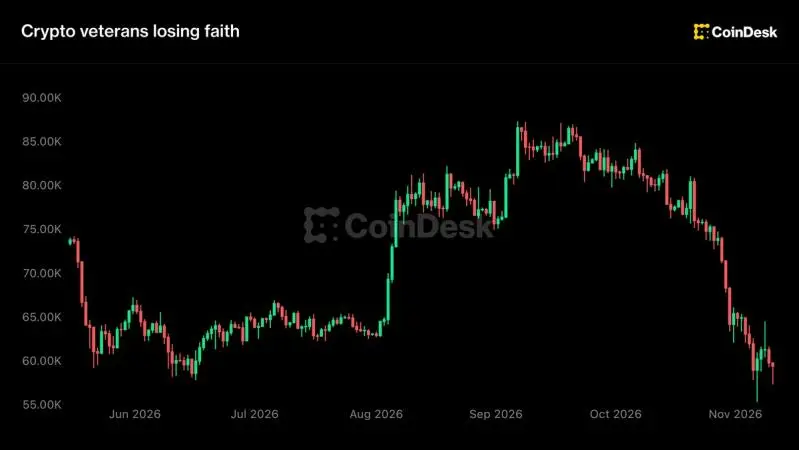 Bitcoin dropped to $57,300 early Wednesday, triggering fresh anxiety across the crypto market
 France Senate Blocks Mandatory Self-Custody Wallet Reporting
 Coinbase warns of XRP long liquidation risks as 6% price move looms
Saylor’s presentation painted a picture of a future where Bitcoin moves beyond a store of value to become a core component of mainstream finance. He suggested that banks could lend against Bitcoin collateral, unlocking liquidity for businesses and consumers. Tokenized securities, he said, would allow traditional assets to be issued on blockchain platforms, increasing efficiency and transparency. Together, these mechanisms could create a massive credit market anchored by Bitcoin, scaling the cryptocurrency’s impact to unprecedented levels.
Saylor emphasized that Bitcoin’s fixed supply makes it an ideal asset for collateral. „When you lock up Bitcoin, you’re using a scarce, verifiable asset that can’t be diluted,” he told the audience. He cited Strategy’s own holdings—over $5 billion in Bitcoin—as proof that institutional investors can manage large positions responsibly. By partnering with banks willing to accept Bitcoin as loan security, Saylor believes the market could generate trillions in new credit. He also highlighted pilot projects where firms have issued tokenized bonds backed by Bitcoin, reducing settlement times from days to minutes.
Can Tokenized Securities Replace Traditional Markets?
The question of whether blockchain‑based securities can rival existing exchanges dominated the second part of Saylor’s talk. He argued that tokenization reduces intermediaries, cuts costs, and improves access for smaller investors. „Imagine a small tech startup issuing equity on a public blockchain, reaching global investors instantly,” Saylor said. Critics warn of regulatory hurdles, but Saylor pointed to recent guidance from the SEC that acknowledges digital assets as securities, suggesting a path forward. He noted that ParaFi Capital is already testing a platform that blends traditional compliance with blockchain efficiency, aiming to launch a full‑scale tokenized market within two years.
If Saylor’s vision gains traction, the implications could reshape capital formation, lending practices, and the role of cryptocurrencies in everyday finance. A $100 trillion system anchored by Bitcoin would dwarf today’s crypto market, potentially stabilizing prices and attracting more institutional capital. However, the roadmap depends on regulatory clarity, bank participation, and broader market acceptance of tokenized assets.
Frequently Asked Questions
How realistic is a $100 trillion Bitcoin‑backed financial system? While ambitious, the target hinges on widespread adoption of Bitcoin‑collateralized loans and tokenized securities, which would require significant shifts in banking and regulatory frameworks.
What risks does tokenizing securities pose? Key concerns include cybersecurity, regulatory compliance, and market volatility. Robust oversight and secure infrastructure are essential to mitigate these risks.
When might we see large‑scale Bitcoin‑backed credit products? Pilot programs are already underway, and Saylor expects broader rollout within the next two to three years, contingent on bank willingness and clear regulatory guidance.