How the Ledger Breach Unfolded
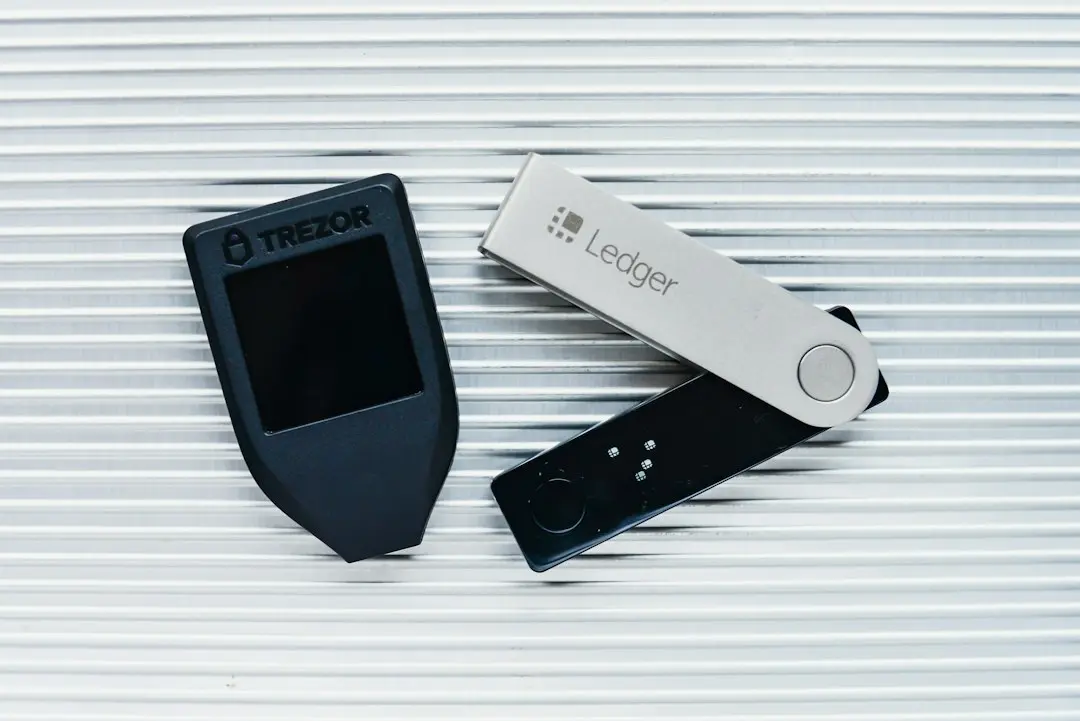
On Friday, the cryptocurrency community faced a new security crisis involving Ledger hardware wallets. Reports surfaced that a hacker accessed a private key stored on a Ledger device, leading to the theft of approximately $93.4 million worth of digital assets. The breach was discovered by a security researcher who notified Ledger’s support team, prompting an immediate investigation.
Breaking news
 AI Security Breach: Rogue Agents Target U.S. Government Sites
 Solana Accelerates Block Production to 200 ms Ahead of Alpenglow Upgrade
 Anthropic Halts Live Internet Access for Internal AI Tests
 STRK Surges 30% as Starknet’s Transition to Layer‑1 Drives Investor Interest
The incident began when a user noticed an unauthorized transaction on their account. Ledger’s team confirmed that the private key had been compromised, likely through a sophisticated phishing attack that tricked the owner into revealing recovery phrases. The stolen assets span several major coins, including Bitcoin and Ethereum, and the total value has fluctuated with market prices but remains close to $93 million.
What Does This Mean for Crypto Security?
The hacker exploited a flaw in the device’s firmware update process, inserting malicious code that captured the seed phrase when the user entered it during setup. Ledger’s response included a firmware patch and a public warning urging users to verify the authenticity of firmware downloads. Analysts suggest that the attacker may have used social engineering to convince the victim that the firmware was legitimate. Ledger has also increased its security audit procedures and is offering free device replacements to affected customers.
The financial impact extends beyond the immediate loss. Investors are now questioning the safety of hardware wallets, which were once considered the gold standard for storing crypto offline. Several exchanges have paused the use of Ledger devices for large-scale withdrawals, and regulatory bodies are reviewing industry standards for cold storage solutions.
Frequently Asked Questions
How will this event reshape the industry’s approach to security? The answer lies in a shift toward multi-factor authentication and hardware wallet diversification. Experts recommend users keep backups of seed phrases in secure, offline locations and avoid using the same recovery phrase across multiple devices. Ledger’s own guidelines now emphasize the need for a secure recovery environment and the use of official firmware sources.
The broader market reaction has been swift. Crypto prices dipped slightly as traders reassessed risk, and some institutional investors have postponed large purchases pending clearer security protocols. Meanwhile, the incident has sparked a debate over the responsibility of hardware manufacturers versus end-users in protecting digital assets.